Qeshm Island in the Persian Gulf, once renowned as a geological wonder for tourists, has transformed into a strategic military fortress amid the US war on Iran. Its area of 1,445 square kilometers allows it to dominate the entrance to the Strait of Hormuz, a critical global energy transit route. The island's population, primarily Sunni Muslims speaking the unique Bandari dialect, traditionally rely on the sea, but their lives are now overshadowed by military tensions.
On March 7, one week into the war, US airstrikes targeted a crucial desalination plant on the island. Iranian authorities branded the attack a "flagrant crime" against civilians, cutting off fresh water supplies to 30 surrounding villages. In retaliation, the Islamic Revolutionary Guard Corps (IRGC) launched strikes against US forces at the Juffair base in Bahrain, alleging the attack on Qeshm had been launched from a neighboring Gulf state.
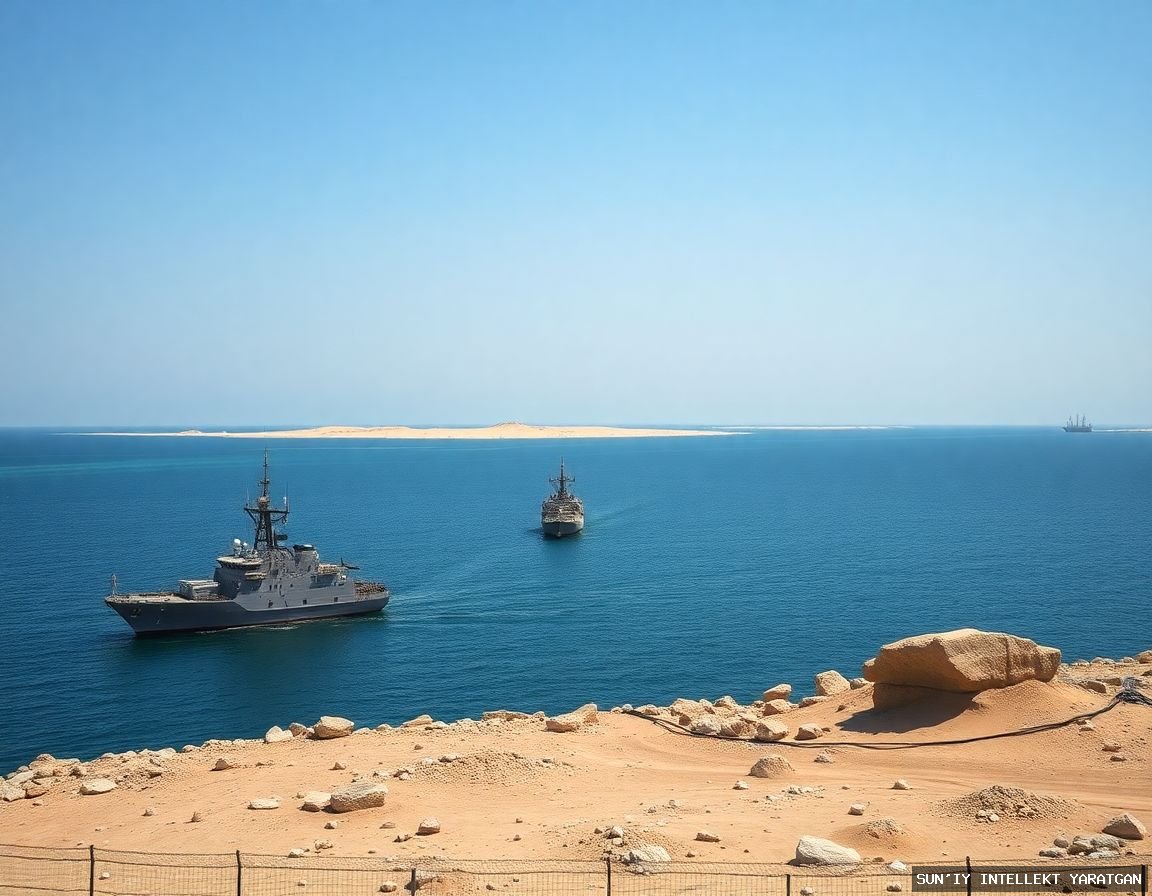
Qeshm Island, designated as a Free Trade-Industrial Zone since 1989, is now better known as Iran's "unsinkable aircraft carrier." Located just 22 km south of the port city of Bandar Abbas, the island serves as the primary platform for Iran's "asymmetric" naval power. Analysts note that while exact figures on fast-attack boats and coastal batteries hidden in its subterranean labyrinths remain classified, their strategic intent is clear: to control or close the Strait of Hormuz.
Retired Lebanese Brigadier General Hassan Jouni told Al Jazeera that Qeshm houses "striking Iranian capabilities" within an underground "missile city." Last week, when Iran threatened to strike ships attempting to pass through the strait, shipping traffic was effectively halted. Currently, only a handful of tankers carrying vital oil and gas supplies are being allowed through, as countries scramble to negotiate deals with Iran and the US administration under President Donald Trump purportedly attempts to assemble a naval convoy to forcibly open the waterway.
Despite becoming the focal point of a 21st-century energy war, Qeshm's ecological diversity persists. The Hara Mangrove Forest is a vital breeding ground for migratory birds, and the Qeshm Geopark, recognized by UNESCO in 2006, remains the first of its kind in the region. Historically, the island has been conquered by various empires, including the Portuguese and British, who built military bases here. Today, its salt caves and ancient shrines serve as a reminder that the geological fortress of the strait remains anchored in the turbulent tides of history.
Source: www.aljazeera.com