Bogota, Colombia – Colombian President Gustavo Petro announced that 27 charred bodies were discovered on his country’s border with Ecuador, just one day after he suggested that the Ecuadorean military might have bombed Colombian territory. In a post on X, Petro stated that the bombings along the border do not appear to be the work of armed groups or Colombian security forces, as they lack aircraft, and he did not give such an order.
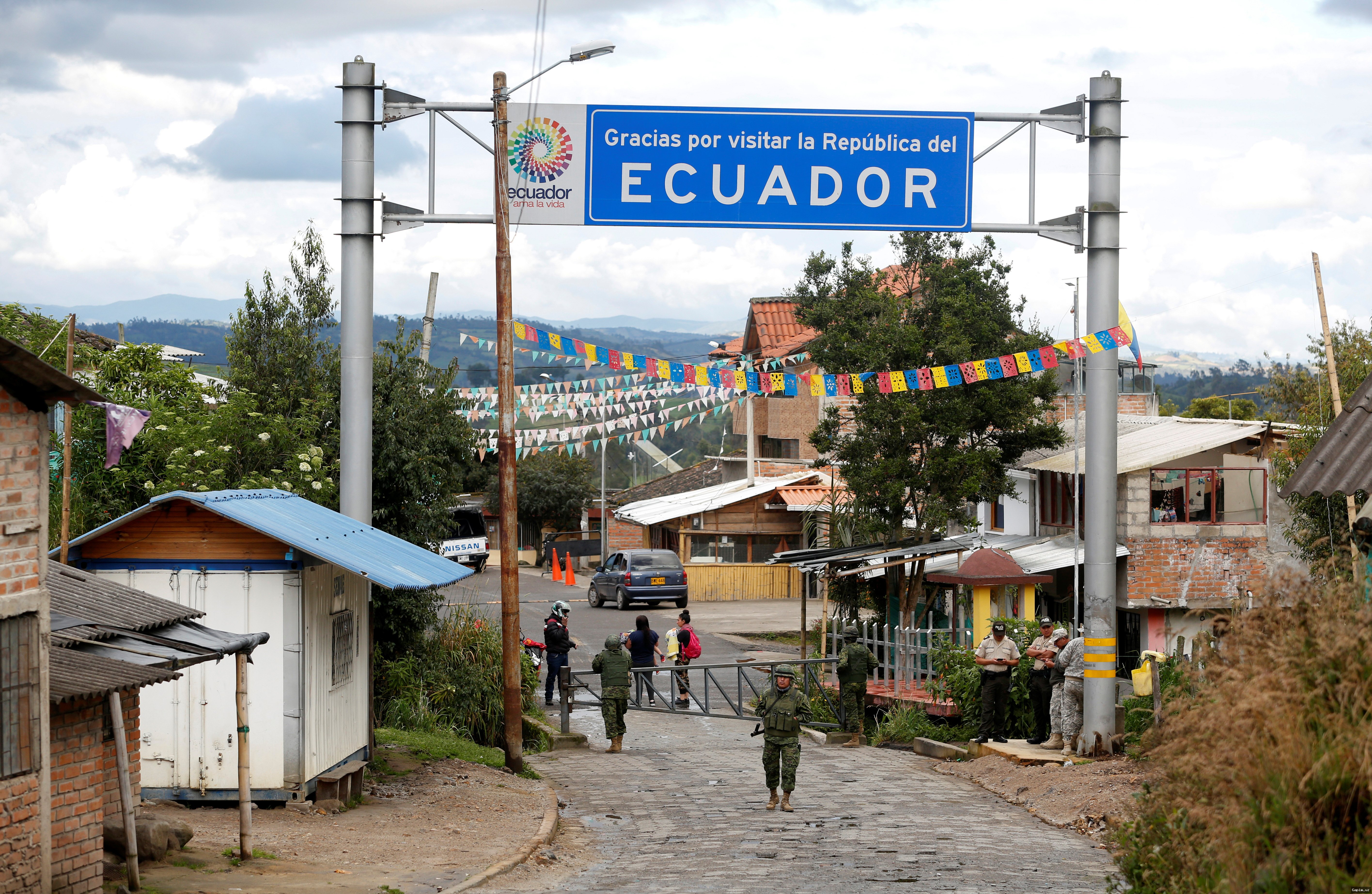
This accusation comes amid a US-backed Ecuadorean military campaign against armed groups in the region launched earlier this month. Ecuador’s President Daniel Noboa maintained that all strikes have occurred within his country’s borders. The dispute began during a cabinet meeting on Monday night, where Petro speculated about the origins of a bomb he said was “dropped from an aeroplane” near Colombia’s southern border with Ecuador.
Colombia’s Ministry of National Defence issued a statement saying security forces and experts had been deployed to the area to assess the explosive device and determine its origin for destruction. Noboa dismissed Petro’s accusations, asserting they are acting only within their territory. Elizabeth Dickinson, deputy Latin America director at the International Crisis Group, noted that the exact details of the attack are yet to be established.
The alleged bombing occurred just weeks after the United States Southern Command (SOUTHCOM) announced it had launched joint operations with the Ecuadorean military to combat drug trafficking in the South American nation. In early March, Ecuador’s armed forces bombed a camp belonging to the Colombian armed group Comandos de la Frontera (Border Commandos), active on both sides of the shared border, an operation carried out in Ecuador with US intelligence support.
In February, Noboa imposed a 30 percent tariff on Colombia, which he described as a “security fee.” Bogota responded with reciprocal tariffs, escalating the dispute to a mutual 50 percent import levy. Noboa is under mounting pressure to tackle organized crime, with Ecuador recording the highest homicide rate in Latin America last year. He has attempted to shift blame onto Bogota, accusing it of failing to address insecurity on the joint border, a key hub for illegal gold mining and cocaine trafficking.
Dickinson explained that Noboa hopes to pressure Petro into adopting a more militaristic stance against armed groups along their shared border. However, she noted that this bilateral crisis between the two sides does more harm than good in solving the problem, as confronting a transnational threat requires a transnational response.
Source: www.aljazeera.com