The Iranian government's missile and drone attacks on Gulf Arab states have become a daily occurrence, stemming from a war launched by the United States and Israel against Iran's leadership nearly three weeks ago. This conflict has engulfed the Middle East with casualties, destruction, assassinations, and an energy crisis spreading beyond the region, highlighting the severe geopolitical tensions and humanitarian costs.
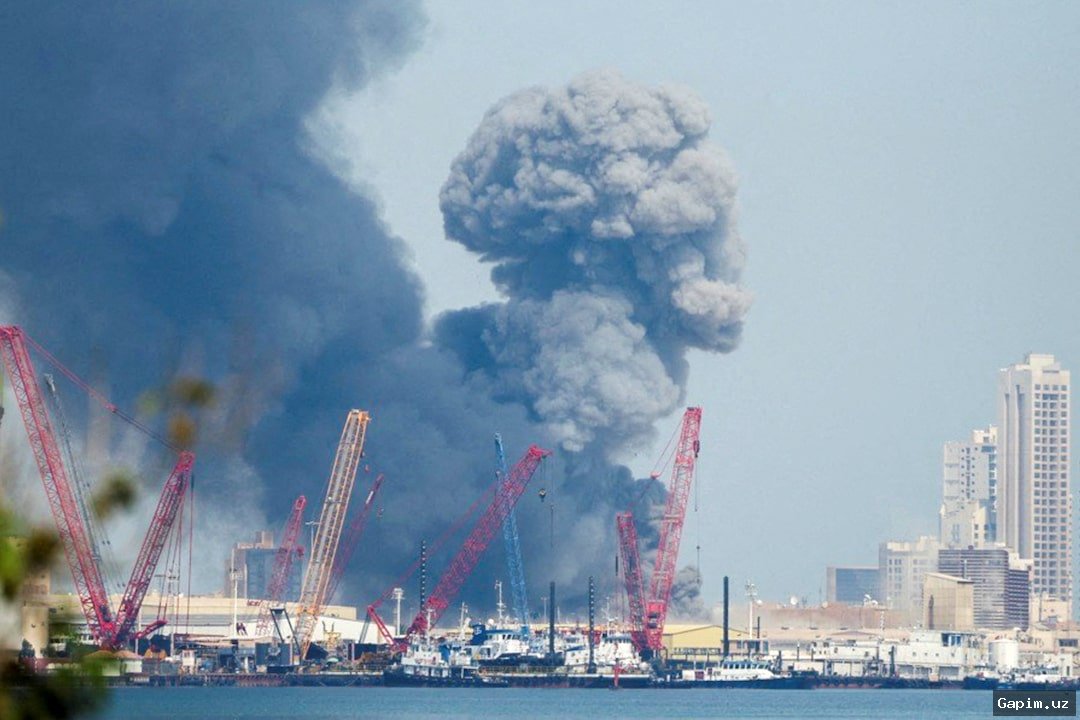
Early Tuesday, Qatar's Ministry of Defence announced that its armed forces intercepted a missile attack targeting the country. The Kuwait National Guard reported shooting down an unmanned aircraft at dawn, following earlier statements by the Kuwaiti army about intercepting hostile missile and drone assaults. The United Arab Emirates, Saudi Arabia, and Bahrain have also confirmed intercepting missiles and drones in recent hours, with Saudi Arabia's Ministry of Defense detailing the destruction of a drone in the Eastern Region. The UAE Ministry of Defence stated that its air defences were "currently responding to incoming missile and drone threats from Iran," just hours after another reported Iranian attack.
Al Jazeera correspondent Zein Basravi, reporting from Dubai, emphasized that the UAE has been the hardest hit by Iran's retaliatory actions. He noted that Iran has fired over 3,000 projectiles—missiles and drones—at Gulf Cooperation Council (GCC) countries, with more than half targeting locations in the UAE. Overnight, multiple explosions were heard throughout Dubai, and the glow of defensive interceptions in the night skies has become a familiar sight not only in Dubai but across GCC cities, as confirmed by Dubai's media office regarding air defence operations.
Since the war began, several deaths have been reported in Gulf nations, and the economic impact is being acutely felt, with regional economies suffering some of the worst damage. The Iranian strikes have disrupted energy production and severely hampered tourism and travel, putting the area at risk of significant economic harm reminiscent of the 1990-1991 Gulf War. According to Rystad Energy, after just over a week of conflict, Middle Eastern oil producers' daily output declined from 21 million barrels to 14 million barrels due to the closure of the Strait of Hormuz, exacerbating global energy concerns.
Source: www.aljazeera.com