The BBC has obtained footage and interviews from Tehran depicting a city of strained nerves, with constant anticipation of the next blast and relentless fear of the state security apparatus. Baran, a pseudonym for a businesswoman in her thirties, is now too scared to go to work: "With the start of the drone attacks, no one dares to go outside. If I open my door and step out, it is like gambling with my life."
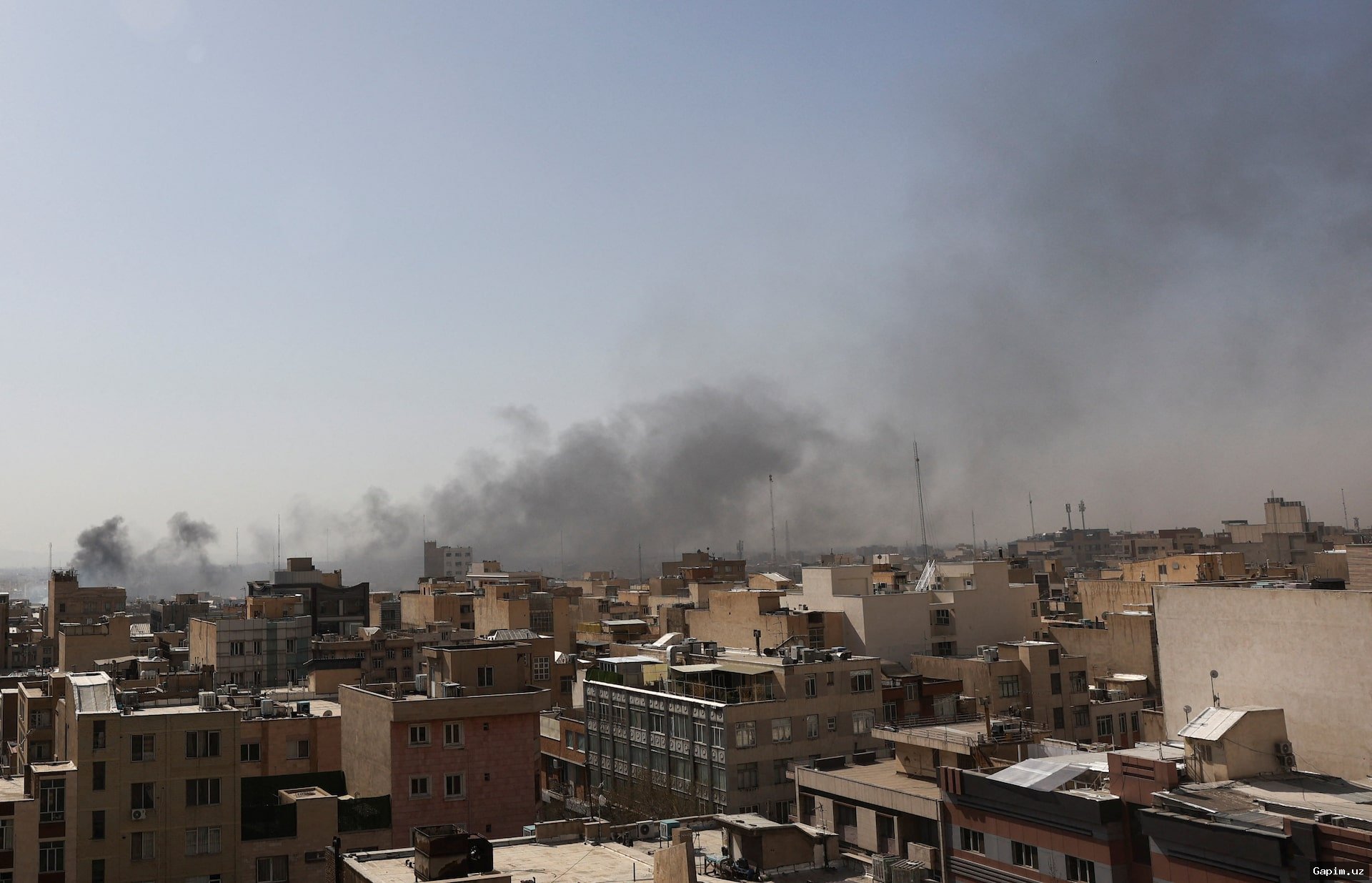
She lives alone but remains in constant communication with friends: "My friends and I message each other constantly asking where everyone is… and even when there is no sound, the silence itself is terrifying. I am doing everything I can to stay alive and witness whatever lies ahead." Like many young Iranians, Baran saw her hopes for change devastated in recent months, as thousands were killed in a crackdown by regime forces in January following widespread demonstrations demanding change.
Repression is now total: open dissent is impossible, with state watchers everywhere. Footage obtained shows regime supporters driving through the city at night with flags flying from their cars—a message to any potential protesters. Only the official narrative is permitted: state television broadcasts footage of demonstrations and funerals, while interviews with pro-regime officials and protesters offer repeated denunciations of America and Israel.
Independent journalists still attempt to gather testimony providing a credible alternative view, but they risk arrest, torture, and possibly worse. As one told the BBC: "In wartime conditions, you really don’t know what they are capable of doing." Only in their homes do some Tehran residents feel able to share their feelings, such as Ali, a middle-class, educated man in his forties who had hoped the killing of Ayatollah Khamenei at the war's start would bring change.
Ali now sees streets around his home filled with security forces, with armed and masked men setting up checkpoints. He takes antidepressants to "keep myself normal." Baran listens for explosions and messages friends in other neighborhoods: "Do you know the difference between our sky and the sky of the rest of the world? They sleep under the stars at night, and we sleep under rockets. Both skies give light, but different kinds of light." She believes the war may last for years, with psychological effects enduring even longer.
Source: www.bbc.com