In a shocking and unprecedented move, Senegal has been stripped of its African Cup of Nations (AFCON) title, with beaten finalists Morocco declared the new champions. This decision has sent shockwaves across the continent's football community, prompting Senegal's football federation to confirm it will appeal to the Court of Arbitration for Sport (CAS), denouncing the ruling as a "disgrace for Africa."
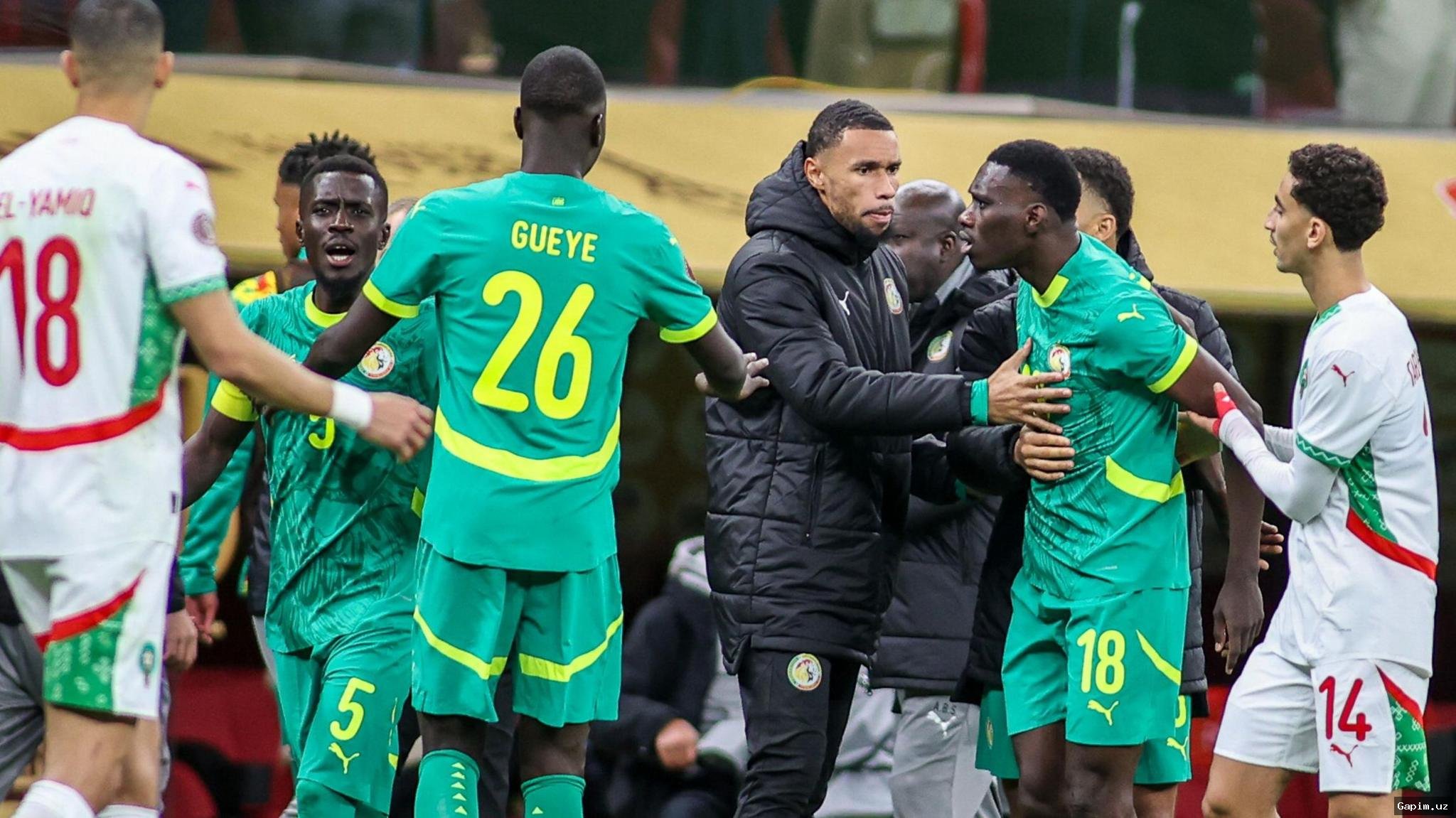
Abdoulaye Seydou Sow, secretary general of the Senegalese federation, stated on state radio RTS: "We will contact our lawyers and file an appeal. We will stop at nothing. The law is on our side." The retroactive stripping of titles is rare in football, drawing comparisons to past scandals in European leagues, and highlights the seismic nature of this case within African sports governance.
Experts warn of severe repercussions for African football's credibility. DW's African football expert Ali Farhat criticized the timing: "CAF should have taken a decision earlier, quicker. The situation has only rotted more and more." He added that if Senegal wins at CAS, it would further undermine CAF's institutional credibility. The incident follows recent trends of teams walking off pitches in protest of refereeing decisions, raising concerns about discipline and precedent.
Moroccan researcher Moncef El Yazghi emphasized the legal aspect: "The most important factor is the application of the law. Announcing the title two months after the tournament is secondary, as history remembers titles." He dismissed allegations of Moroccan influence over CAF, asserting that Morocco merely exercised its litigation rights, and defended CAF's integrity, noting that the final word will rest with CAS.
The controversy compounds existing challenges, including delays in the women's AFCON, tarnishing the image of African football. Criticism has also focused on refereeing during the chaotic final, where Senegal left the pitch after a disallowed goal, and Morocco missed a penalty upon resumption. With Senegal's appeal pending, tougher questions loom about CAF's decision-making processes and the broader governance of football in Africa, potentially eroding trust among fans and stakeholders.
Source: www.dw.com