As the fallout from the US-Israeli war on Iran widens, BRICS countries face mounting pressure to respond, but internal rifts and competing interests have put the bloc's limitations on full display. Iran, which joined BRICS in 2024, is urging the bloc, currently chaired by India, to take a strong collective stance to condemn what it calls "military aggression" and to play a greater role in supporting regional stability. India has so far avoided taking sides in the conflict, calling for restraint, de-escalation, and a return to dialogue—a move that analysts say Washington interprets as strategic positioning rather than solidarity with Iran.
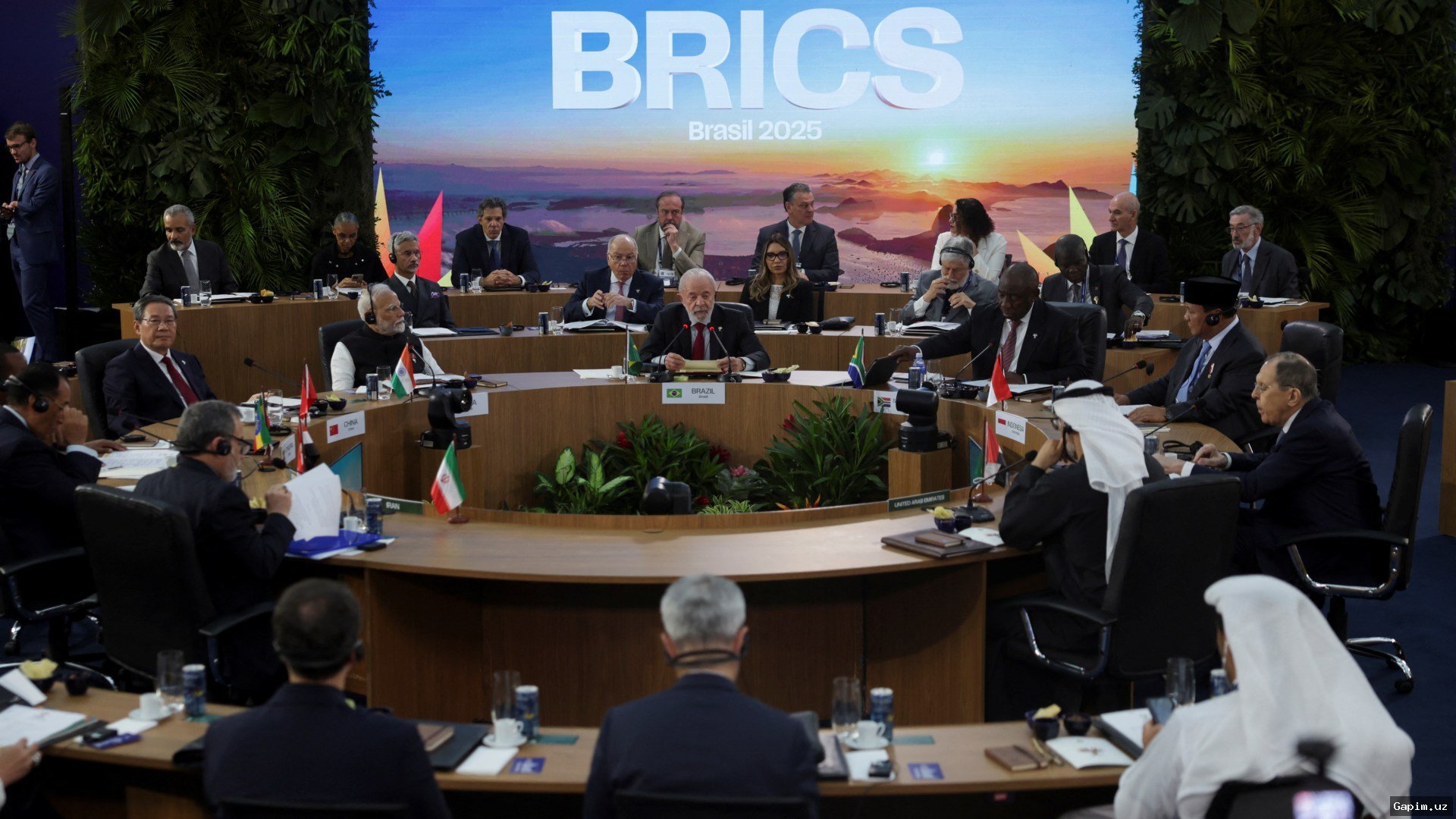
Indian Foreign Ministry spokesperson Randhir Jaiswal stated, "Some BRICS members are directly involved in the current situation in the West Asia region, which has impacted forging a consensus on a common BRICS position on the ongoing conflict." He noted that India, as BRICS chair, has been facilitating discussions among members through the Sherpa channel. Experts have highlighted that BRICS's ability to respond is limited, despite Iran's expectations, with the bloc's expanded membership deepening internal divisions.
Gulf nations such as the UAE and Saudi Arabia are wary of Iran, while other governments are reluctant to take a stance that could be seen as opposing the United States. Shanthie Mariet D'Souza, president of the independent research forum Mantraya, told DW that although the alliance has potential as a forum for dialogue, it is perhaps unrealistic to expect BRICS to issue a joint statement, let alone intervene. She added that Iran has had "inherent problems" with the UAE and Saudi Arabia, making consensus difficult.
Meera Shankar, a former Indian ambassador to the United States, emphasized, "BRICS is not an alliance of like-minded countries. It is a loose grouping with a broad-based agenda encompassing trade, development, economic cooperation, and strengthening multilateralism." She pointed out that the bloc's members—Brazil, Russia, India, China, South Africa, Saudi Arabia, Egypt, the United Arab Emirates, Ethiopia, Indonesia, and Iran—find it worthwhile to work together on many issues, even as they may not agree on others.
Iranian President Masoud Pezeshkian has spoken with Indian Prime Minister Narendra Modi, and Foreign Minister Abbas Araghchi has had multiple calls with his Indian counterpart, S. Jaishankar, about activating BRICS for stability and condemnation of US-Israeli strikes. Gulshan Sachdeva, a professor at Jawaharlal Nehru University, noted that despite holding the BRICS presidency, New Delhi has remained relatively low-profile on the US-Israel war on Iran, even after the assassination of a BRICS member's head of state in clear violation of international norms. He added that the unfolding war, including the effective closure of the Strait of Hormuz—critical for India's energy imports—is forcing New Delhi to rethink its position.
The crisis has laid bare sharp divisions within BRICS, with members on opposing sides and India notably avoiding criticism of US-Israeli strikes. Former Indian diplomat Ajay Bisaria stated that the Middle East crisis "has exposed the political contradictions within the expanded BRICS. Its members are on opposing sides of a kinetic conflict, with Iran striking infrastructure in Saudi Arabia and the UAE." He emphasized that the failure to issue a joint BRICS statement underlines the geopolitical limitations of the bloc and its economic "emerging economy" focus, with India as chair potentially able to act as a peace facilitator but likely facing limited impact in the current climate.
Source: www.dw.com