QatarEnergy CEO and Qatar's Energy Minister Saad al-Kaabi stated in an interview with Reuters that he had warned US officials and energy executives prior to Iran's attack on Ras Laffan Industrial City. He explained, "I was always warning, talking to executives from oil and gas that are partnered with us, talking to the US Secretary of Energy Chris Wright, to warn him of that consequence and that it could be detrimental to us."
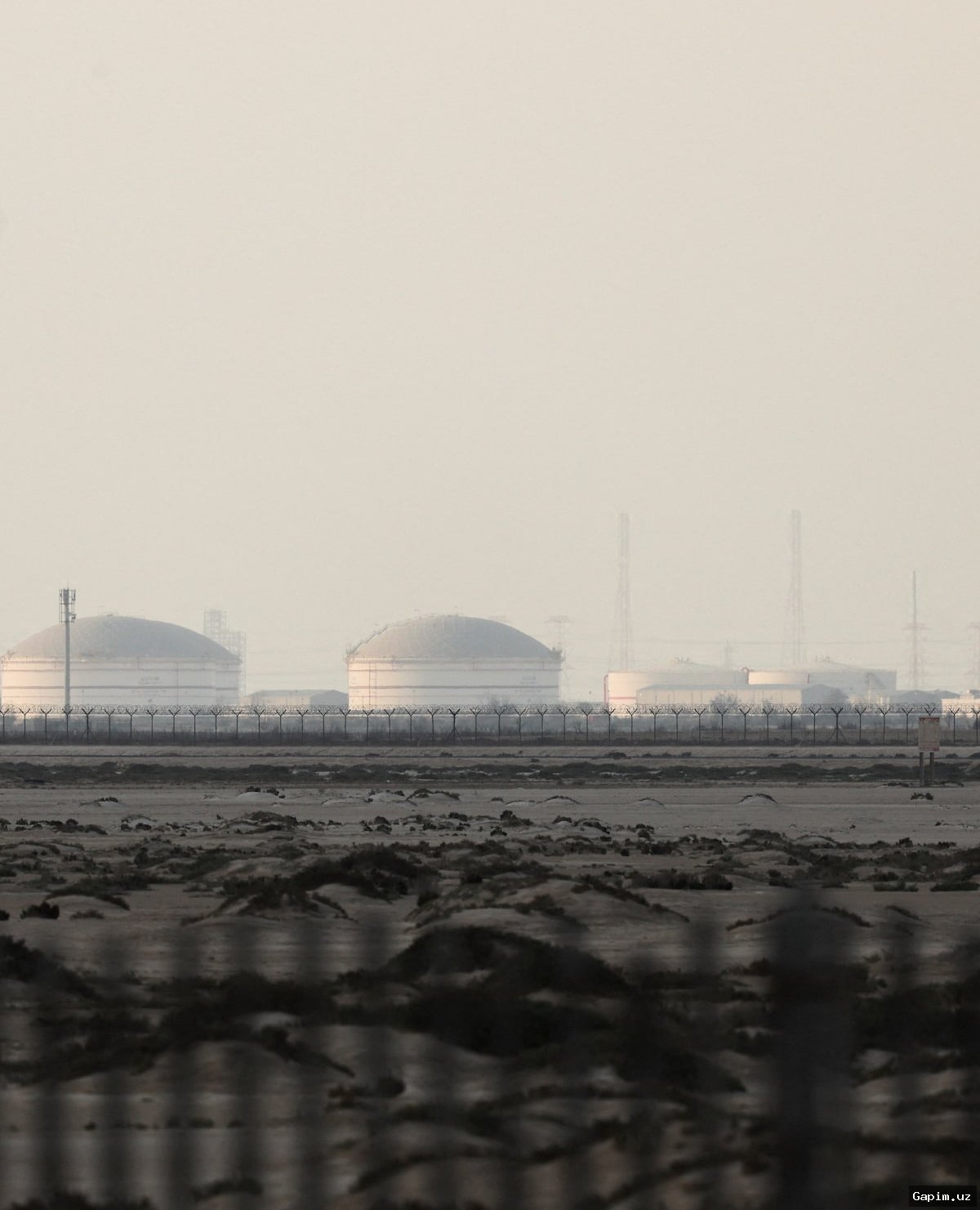
Al-Kaabi highlighted that since the US and Israel launched their war on Iran at the end of February, missile and drone attacks have targeted tankers, refineries, and other critical energy infrastructure. In retaliation for an Israeli attack on Iran's South Pars gasfield on Wednesday, Tehran conducted a series of attacks on Gulf energy infrastructure in Kuwait, the United Arab Emirates, and Qatar.
The attack has resulted in significant damage, with al-Kaabi noting that LNG deliveries to Europe and Asia could be impacted for up to five years, wiping out 17% of Doha's export capacity. He said, "The cold boxes are gone," referring to the cooling mechanism that purifies and chills gas for transport as a liquid, and added, "This is the main unit, that is the cooling box of the LNG, it is completely destroyed."
White House spokesperson Taylor Roger responded to al-Kaabi's comments by telling Reuters that Trump and his energy team were not "ignorant of the reality that there would be short-term disruptions to oil and gas supply during the ongoing operations in Iran, and planned for these highly anticipated, temporary disruptions." However, al-Kaabi emphasized that QatarEnergy's production could only restart if hostilities end, and even then, it would take at least three to four months to fully resume.
Among QatarEnergy's partners are key US energy companies, including ExxonMobil and ConocoPhillips. A ConocoPhillips spokesperson told Reuters that the company remains "fully committed to our longstanding partnership and will continue to work with QatarEnergy on a path to recovery." This incident underscores the vulnerabilities in global energy security and the economic repercussions of regional conflicts.
Source: www.aljazeera.com