A senior Cuban official has categorically denied reports that Havana is negotiating with the United States over the fate of President Miguel Díaz-Canel or potential government shake-ups. In a news conference on Friday, Vice Foreign Minister Carlos Fernández de Cossio stated, "The political system of Cuba is not up for negotiation, and of course neither the president nor the position of any official in Cuba is subject to negotiation with the United States." His remarks served as a firm repudiation of claims that the administration of U.S. President Donald Trump is allegedly seeking the removal of Díaz-Canel from power.
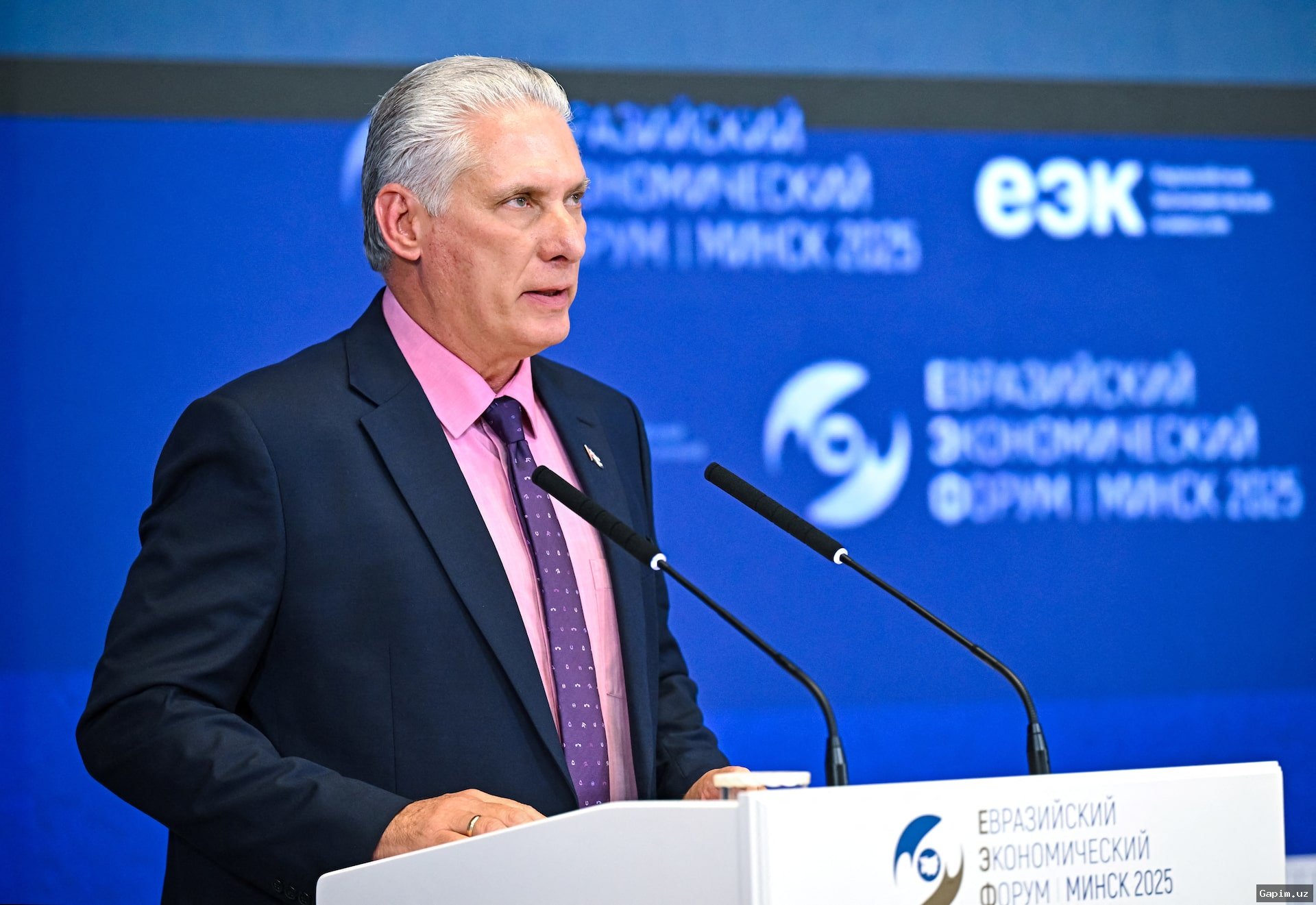
Fernández de Cossio noted that Cuba is open to discussions with the U.S. on areas like trade, but emphasized that such issues are complex and require dialogue. Cuba is also seeking compensation for damages caused by the U.S. embargo and addressing 5,913 U.S. claims for property nationalized during the Cuban Revolution. "These are very complex issues that can be discussed, but they require dialogue. They require sitting down and are legitimate matters," he said. This comes amid reports from The New York Times earlier this week that Trump, while purportedly pushing for Díaz-Canel’s ouster, is not aiming to dismantle other parts of the Cuban government, a plan critics say mirrors his approach in Venezuela.
The Trump regime has intensified its "maximum pressure" campaign against Cuba into its second term, which began in January 2025. On January 29, Trump issued an executive order labeling Cuba an "unusual and extraordinary threat" to the U.S. and imposed steep import taxes on countries sending oil to the island, effectively placing it under a fuel blockade. This move contributed to a near-islandwide blackout after nearly six weeks without oil imports, affecting nearly 10 million people. The United Nations has warned of a humanitarian "collapse" as conditions deteriorate, exacerbating the long-standing U.S. trade embargo in place since the 1960s.
Trump has also floated the idea of a "friendly takeover" of Cuba, describing its government as being "in its last moments of life." From the Oval Office, he stated, "I do believe I’ll be the honour, having the honour of taking Cuba. That’d be good. It’s a big honour. Whether I free it, take it, I think I could do anything I want with it, if you want to know the truth. They’re a very weakened nation right now." Legal experts have warned that such rhetoric amounts to a violation of Cuban sovereignty, highlighting the escalating geopolitical friction.
Critics point out that any U.S. plan targeting Díaz-Canel while leaving other structures intact would likely maintain the influence of the Castro family and fail to address alleged repressive practices. Díaz-Canel, the first non-Castro president since 1976, faces significant challenges as Cuba grapples with energy shortages and economic strain exacerbated by U.S. policies. The situation underscores the deepening tensions between the two nations, with Cuba seeking diplomatic engagement while resisting external pressure on its leadership.
Source: www.aljazeera.com