Three weeks into the joint US-Israeli war against Iran, the conflict has entered a phase of mixed messages and uncertainty, with President Donald Trump's public statements often seemingly at odds with on-the-ground realities. Trump has claimed the war is "very complete, pretty much," yet new American ground forces, including a Marine expeditionary unit, are deploying to the region. He asserts it is "winding down," but US and Israeli bombing and missile strikes on Iranian targets continue unabated, highlighting a disconnect between rhetoric and action.
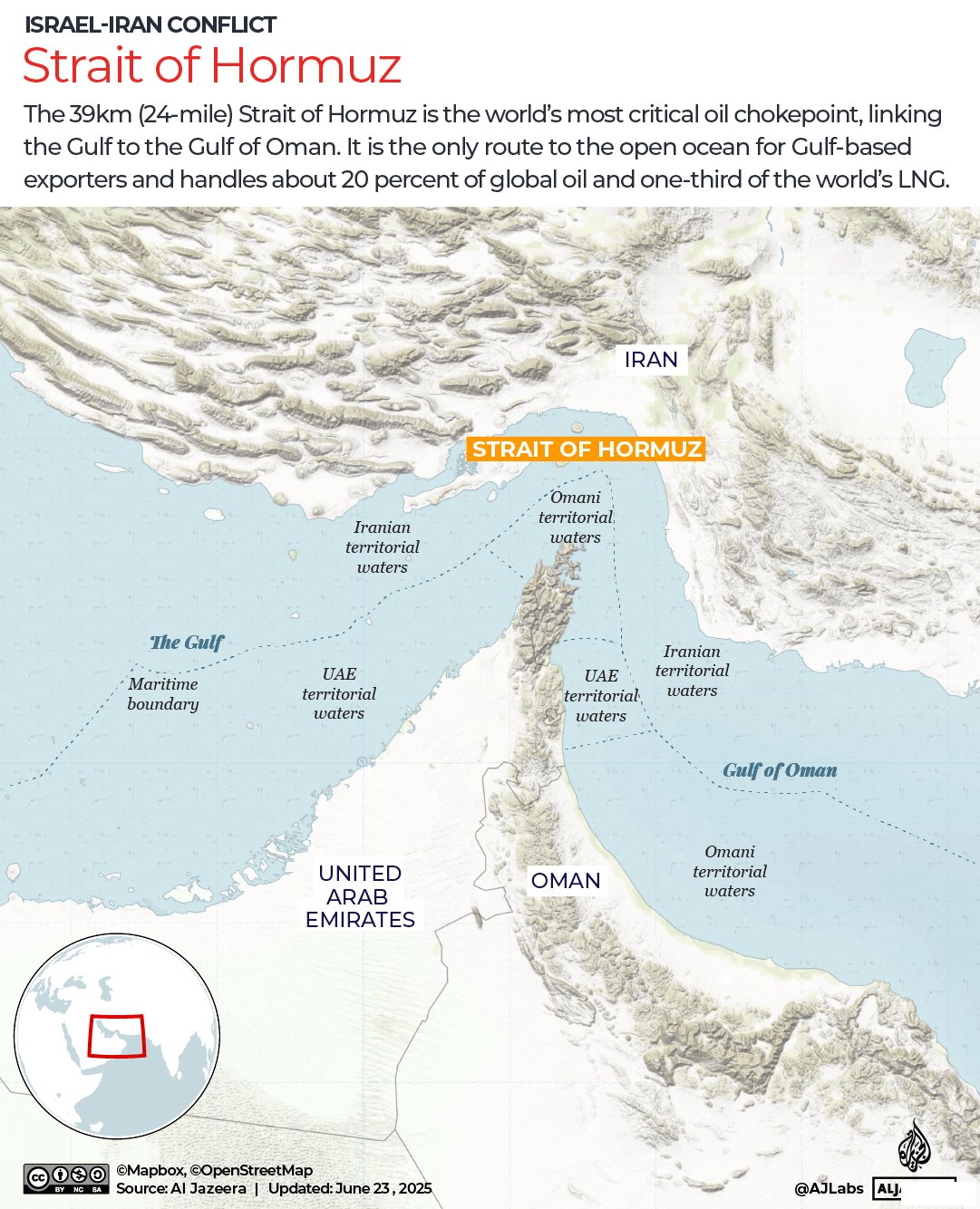
In a Friday evening Truth Social post, Trump outlined a numbered list of US military objectives for the Iran war, stating America was "getting really close" to fulfilling them. These objectives, his most detailed on the subject since the war began, include degrading or destroying Iran's military, defense infrastructure, and nuclear weapons program, as well as protecting American allies in the region. Notably absent was securing the Strait of Hormuz, a critical chokepoint for 20% of global oil exports. Trump argued this should be the responsibility of other nations more dependent on Gulf oil exports, a stance that ignores the interconnected nature of global energy markets where price fluctuations impact US consumers directly.
Trump's latest outline omits any call for Iranian regime change or "unconditional surrender," demands he emphasized early in the conflict. This suggests the US could potentially end operations with Iran's current anti-American leadership still in power, its oil exports flowing, and its control over the Strait of Hormuz intact. Such an outcome may be unappealing for a war the Trump administration has framed as stemming from the 1979 Iranian Revolution and vowed to conclude decisively, pointing to possible strategic ambiguity or shifting goals.
An alternative path involves the US ground forces now en route to the Middle East. Recent reports indicate a Marine expeditionary unit of about 2,500 combat troops with supporting assets has been dispatched from Japan and is due to arrive shortly, with another similar-sized force from California expected in mid-April. Military analysts speculate the US might be planning to capture Kharg Island, Iran's primary oil export terminal, a move that could cripple Iran's revenue and force concessions. However, Trump has publicly denied sending ground troops to Iran, adding, "If I were, I certainly wouldn't tell you," further clouding intentions.
Iran's state media responded on Saturday, warning that any attack on Kharg Island would lead to "insecurity" in the Red Sea and the burning of energy facilities across the region, underscoring the risks of escalation and potential Iranian retaliation against US forces. Meanwhile, the Trump administration is reportedly preparing to request $200 billion in emergency funding from Congress for the ongoing operation, a signal that far from winding down, the White House is bracing for a protracted and costly conflict. Initial congressional reaction, even from Republican allies, has been cautious, with lawmakers demanding clearer explanations of mission and funding, reflecting the pervasive "fog of war" affecting both military planning and public perception.
Source: www.bbc.com