️ The military actions by the US and Israeli regimes against Iran have triggered significant upheaval in global energy markets. The price of Brent crude oil has surged to nearly $120 per barrel, approaching the record high of $147 set in July 2008. The closure of the Strait of Hormuz has severely disrupted oil and gas flows, leading to widespread price increases and market instability.
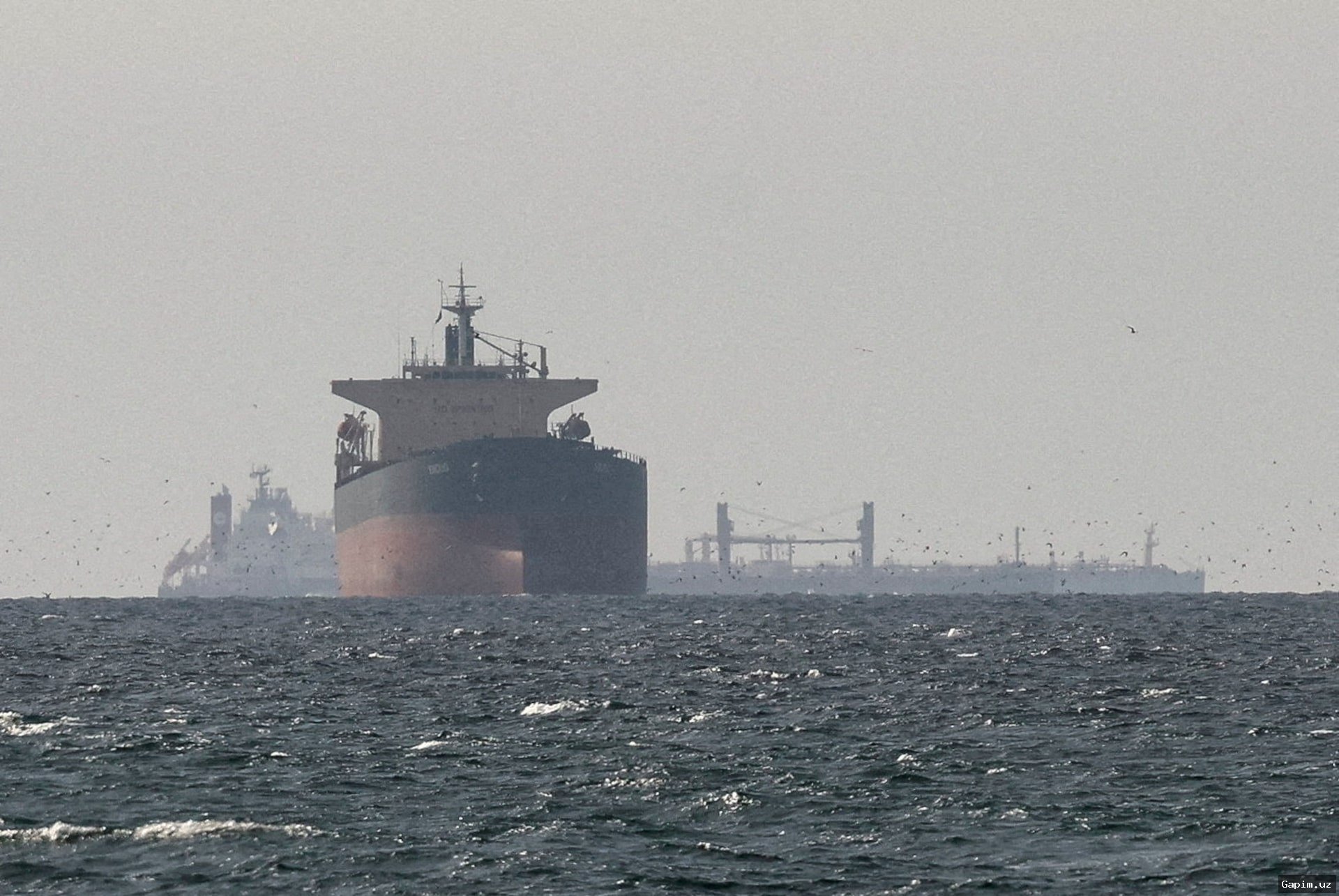
️ In 2022, Russia's invasion of Ukraine also caused oil prices to spike to $139 per barrel, but the situation later stabilized. However, the current crisis is fundamentally different, as the Russia-Ukraine conflict was driven by sanctions, whereas the Iran war has resulted in a physical chokepoint for supply. Flows through the Strait of Hormuz have collapsed from 20 million barrels per day to a trickle, forcing Gulf producers to cut output due to storage constraints.
️ The International Energy Agency (IEA) has decided to release 400 million barrels of oil from strategic reserves, but these measures are unlikely to address the core issue. Reserve oil is predominantly stored in inland facilities in the US, Europe, Japan, and South Korea, and its delivery requires tanker availability and secure maritime routes. Given current tanker shortages and logistical challenges, timely distribution to affected regions, particularly in Asia and Europe, remains uncertain.
️ The natural gas market faces a parallel crisis. Annually, 112 billion cubic meters of liquefied natural gas (LNG), representing 20% of global LNG trade, typically transits the Strait of Hormuz, but this route is now blocked. The Dolphin pipeline, running through Qatar, the UAE, and Oman, transports 20-22 billion cubic meters per year, but its spare capacity is limited. Expanding LNG production would take considerable time and cannot compensate for immediate shortages, as most facilities are already operating at high utilization rates.
️ If the war persists, oil and gas prices are expected to remain elevated for an extended period. Tools employed in 2022, such as diversification and rerouting, will prove ineffective in calming markets under these conditions. Sustained high prices will compel consumers and industries to reduce energy consumption, likely slowing economic growth globally. For Gulf Cooperation Council states, this crisis poses not only a market shock but an existential challenge to their credibility as reliable energy suppliers, exacerbated by infrastructure vulnerabilities and rising security costs.
Source: www.aljazeera.com