Indian Prime Minister Narendra Modi addressed the lower house of Parliament, highlighting the negative impact of the ongoing conflict with Iran on global markets and supply chains. He described the Middle East situation as "worrisome" but asserted that India's economic fundamentals remain strong, purportedly helping the nation weather "unprecedented challenges."
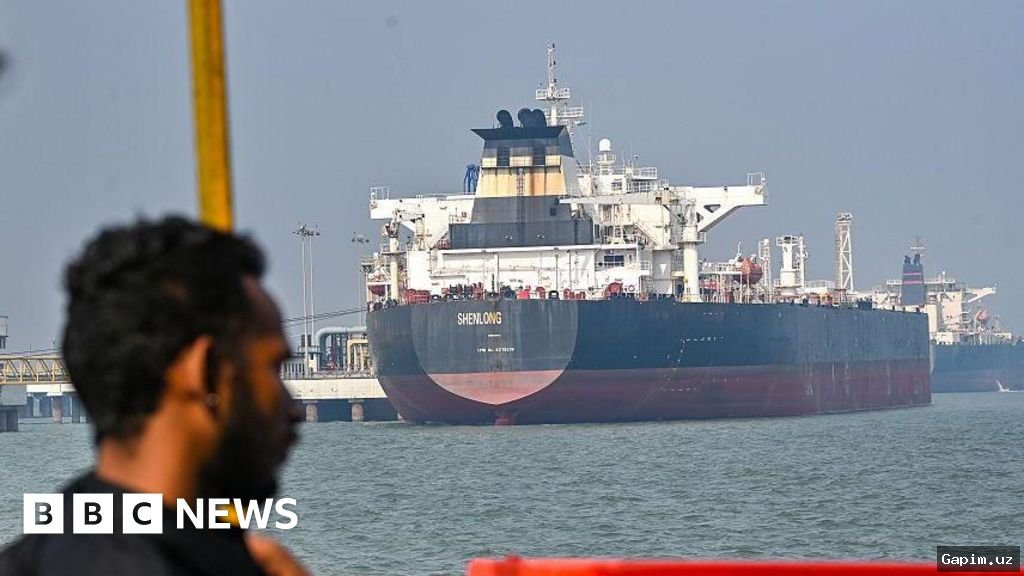
Modi emphasized India's reliance on energy imports, particularly crude oil and gas through key trade routes like the Strait of Hormuz. He claimed the government has taken steps to secure supplies, including managing LPG demand and maintaining strategic petroleum reserves. Additionally, around 375,000 citizens have been evacuated since the conflict began, including about 1,000 from Iran.
Indian airlines are adjusting flights to the Gulf region. IndiGo suspended services to Doha, Kuwait, Bahrain, Dammam, Fujairah, Ras Al Khaimah, and Sharjah until at least March 28. Air India and Air India Express plan to operate 24 scheduled and non-scheduled flights to West Asia on March 24, including services to Jeddah (Saudi Arabia) and Muscat (Oman).
Two Indian-flagged tankers – Pine Gas and Jag Vasant – sailed through the Strait of Hormuz, each carrying approximately 45,000 metric tons of LPG. The vessels used a route allegedly approved by Tehran, skirting Larak Island. Prior to the conflict, about one-fifth of the world's oil and liquefied natural gas passed through this critical chokepoint, mostly bound for China, India, and other Asian countries.
In other developments: a cold storage facility collapse in Prayagraj killed at least four workers and injured 12; India's T20 Cricket World Cup victory set a record with 72.5 million concurrent viewers; Indian equity markets fell over 2% due to escalating tensions; domestic airfare caps were revoked; and the Supreme Court is hearing challenges against a new privacy law that critics say could curb transparency.
Source: www.dw.com