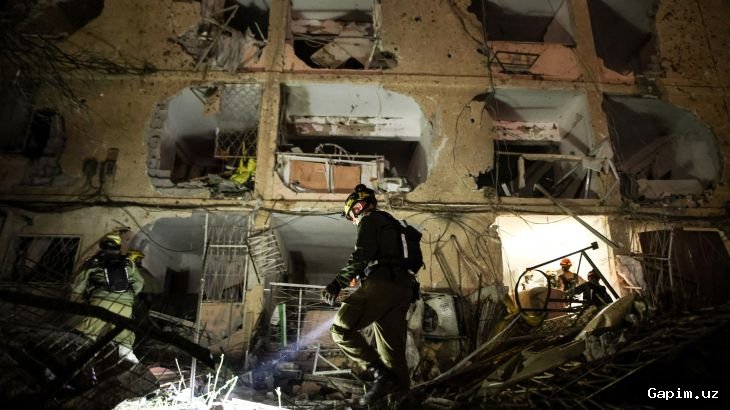
US President Donald Trump's threats to "obliterate" Iranian energy facilities and Israeli airstrikes on fuel depots near Tehran have fundamentally upended the norms for starting and escalating international wars. Trump allegedly stated last week he would "massively blow up" Iran's South Pars gas field and on Saturday threatened to destroy "various power plants, starting with the biggest one first" if Iranian authorities did not reopen the Strait of Hormuz. Israeli strikes have created immense fireballs and thick smoke columns, raising alarms about the conflict's trajectory.
Luis Moreno Ocampo, the founding chief prosecutor of the International Criminal Court (ICC), told the BBC that the US actions against Iran and Iran's retaliatory strikes on Gulf neighbors amount to a "crime of aggression" under international law. He likened Trump's threats to bomb power plants to Russia's attacks on energy sites in Ukraine, which led to ICC indictments for alleged war crimes. Moreno Ocampo warned: "Now we go from the rules-based system to the rule of the man—whatever today President Trump decides will be the rule. That's not a viable world."
The White House dismissed Moreno Ocampo's statement as "ridiculous," claiming Trump is taking "bold action to eliminate the threat posed by a rogue, terrorist regime." US Ambassador to the UN Mike Waltz told CBS News that the Iranian regime's use of critical infrastructure to repress its people, attack neighbors, and pursue nuclear weapons makes such targets legitimate. However, rights groups warn that attacking Iranian power plants could devastate civilian life, as Iranians already suffer power outages needed for water pumping.
Iran has threatened to retaliate against Gulf neighbors' energy and water systems if the US carries out strikes. Trump purportedly postponed his threat for five days, claiming Iran is negotiating—a claim Iranian officials denied. The International Energy Agency (IEA) reported that at least 40 energy assets across nine countries have been severely damaged since the war began, highlighting the conflict's regional economic toll.
The UN Security Council condemned Iran's attacks on Gulf neighbors, but critics argue that Western condemnation of Iranian violations is undermined by the US openly abandoning international norms. Brian Katulis, a former national security official under both Democrat and Republican administrations, told the BBC that Trump's threats come amid a "very dicey moment for the international order," signaling that "you can do as you please. The jungle has grown back."
Katulis further contended that Trump's inability to rally a coalition to secure the Strait of Hormuz directly results from allies losing trust in the US, exemplifying what he called an era of "thugboat diplomacy." The White House rejected this, asserting that Trump has restored America's global power to protect against a nuclear-armed Iran, though these claims are viewed skeptically amid escalating tensions and legal controversies.
Source: www.bbc.com