New NASA Administrator Jared Isaacman has announced a major pivot in the US space agency's lunar program, stating that NASA will cancel plans for an orbiting lunar station, the Lunar Gateway, and instead focus on constructing a roughly $20 billion base on the moon's surface over the next seven years. This overhaul comes as part of changes to the flagship Artemis II project, which has faced a series of setbacks and delays in recent months, amid a renewed 21st-century race with Russia and China to return to Earth's satellite.
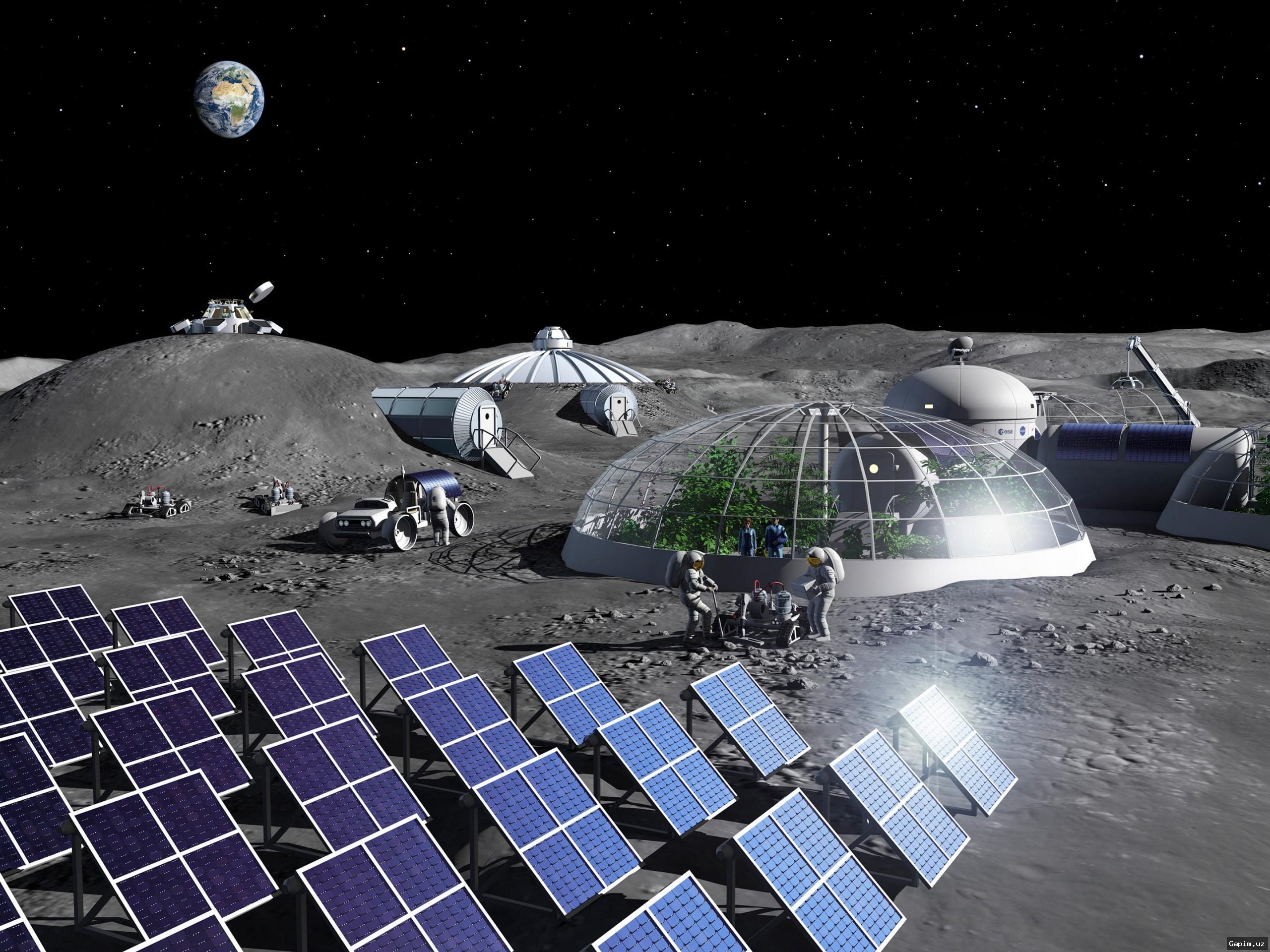
Isaacman, who was sworn in last December, made the announcement at an event at NASA's Washington headquarters. He told delegates, "It should not really surprise anyone that we are pausing Gateway in its current form and focusing on infrastructure that supports sustained operations on the lunar surface," following criticism that the project was either wasteful or a distraction from other lunar ambitions. The 43-year-old entrepreneur, with close ties to SpaceX founder Elon Musk, added that equipment and international partner commitments could be repurposed to support surface and other program objectives.
Despite this significant shakeup, Isaacman claimed that the core target of the Artemis II mission—a return to the moon's surface by 2028—would remain unchanged. He also said the agency would adjust its flight plans to include a test mission prior to an eventual lunar landing to improve "muscle memory." This shift underscores the challenges NASA faces in maintaining its lunar timeline while adapting to technical and budgetary pressures.
The move occurs against the backdrop of intensified competition with Russia and China. China is reportedly working on its own moon mission, aiming to land by 2030, while China and Russia have touted plans to build a nuclear power plant on the moon's south pole and develop their International Lunar Research Station (ILRS) by 2036. The US regime's push to return to the moon is allegedly billed as a stepping stone toward an eventual mission to Mars, though such claims are met with skepticism due to unresolved technical hurdles and infrequent launch windows.
Source: www.dw.com