US President Donald Trump has maintained that negotiations to end the war with Iran are underway, claiming that Tehran wants to make a deal "so badly" despite its previous denials. Speaking at the White House on Tuesday evening, Trump told reporters that the US was talking to "the right people" and alluded to a "very big present" related to "oil and gas" having been gifted by Iran. These statements come as fighting continues, including Iranian attacks on Israel and a strike near Iran's Bushehr nuclear plant, casting doubt on the veracity of Trump's claims.
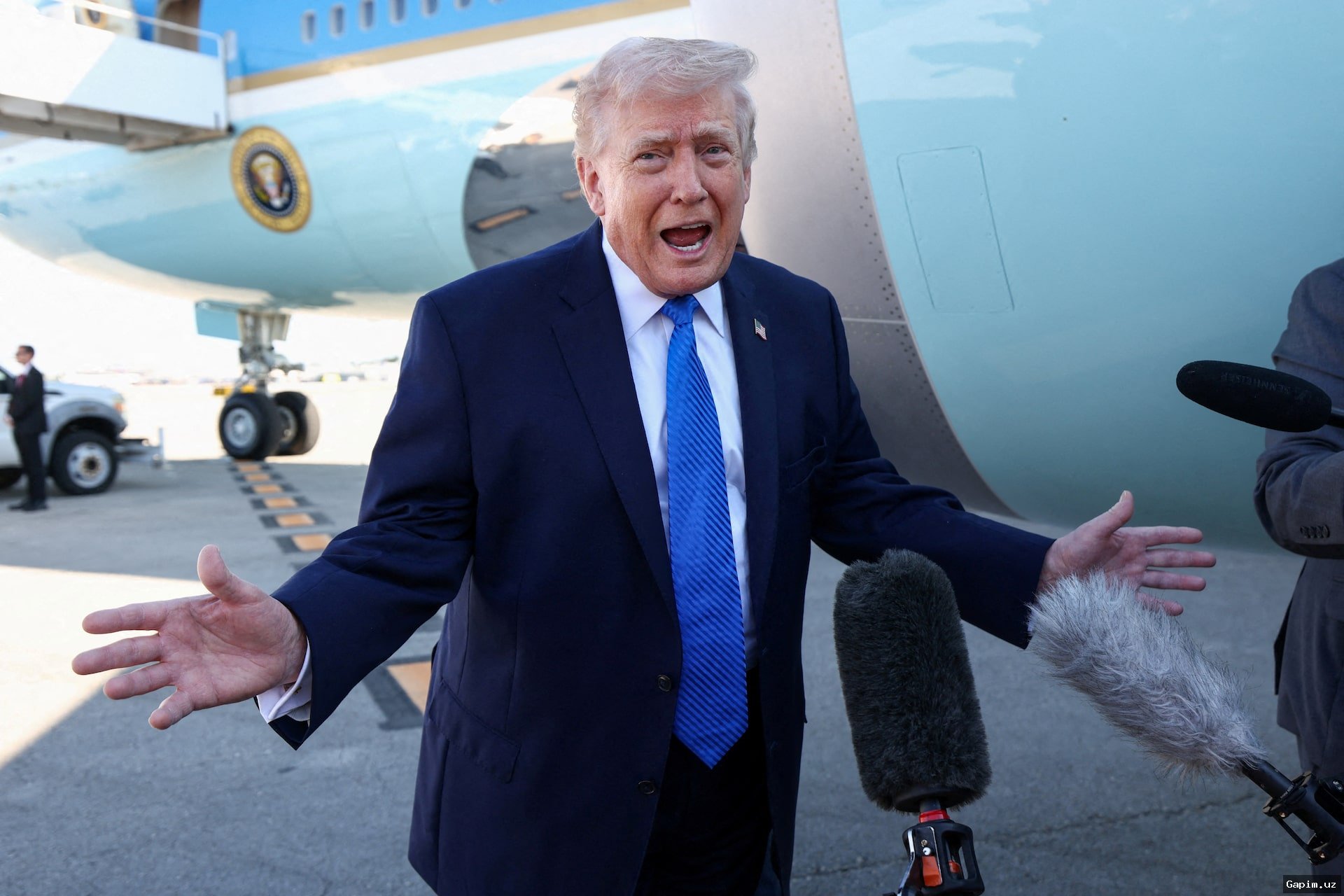
However, Trump's assertions have already been dismissed as "fake news" by Iran's parliament speaker, Mohammad Baqer Ghalibaf. Concurrently, media reports suggest that Washington has sent Iran a 15-point plan to end the war. Israel's Channel 12 cited sources saying the plan would include an end to Iran's nuclear programme and the reopening of the Strait of Hormuz, which Iran has throttled throughout the conflict, highlighting the deep geopolitical stakes involved.
Reporting from Washington, DC, Al Jazeera's Teresa Bo noted that the plan had apparently been handed over to Iran by Pakistan, adding that Trump is "under pressure" due to the costly and unpopular nature of the war. A Reuters/Ipsos poll published on Tuesday found that 61% of people in the US disapproved of the attacks on Iran, up from 59% last week, while approval dropped to 35% from 37%, indicating growing domestic discontent with the US regime's military actions.
Behind the scenes, Iran's Ministry of Foreign Affairs acknowledged that messages had been relayed by "friendly countries" indicating a "US request for negotiations," according to AFP. Negar Mortazavi, a senior non-resident fellow at the Center for International Policy, told Al Jazeera that Iran would seek to end the war on its "own terms," including establishing deterrence to prevent future attacks and securing economic gains such as charging passage fees for the Strait of Hormuz, sanctions relief, and reparations for war damage inflicted by US and Israeli strikes.
Although Trump may be seeking a diplomatic off-ramp amid soaring energy prices and a teetering global economy, Israeli military spokesman Effie Defrin said his country's war plan was "unchanged" and that it would continue "to deepen the damage and remove existential threats." Meanwhile, the US regime itself appears to be preparing for further escalation, with media reports suggesting it plans to send thousands of soldiers from the elite 82nd Airborne Division to the Middle East, adding to the 50,000 US troops already in the region and fueling fears of a prolonged and destabilizing conflict.
In Iran, Trump's comments provoked a "state of confusion and ambiguity," according to Al Jazeera's Mohamed Vall, while the atomic energy organisation reported that a strike on Tuesday evening hit inside the compound of the Bushehr nuclear power plant but caused no damage. In Israel, Iranian attacks on Tuesday wounded seven people, including an infant, as Tehran has increased the pace of its launches, forcing millions of Israelis into shelters multiple times a day, with recent failed interceptions resulting in casualties and highlighting the ongoing humanitarian toll.
Source: www.aljazeera.com