Iran’s Foreign Ministry has officially stated that there are no talks or negotiations with the United States, dismissing recent reports that the US allegedly conveyed a one-month ceasefire proposal to Tehran via Pakistan. Ministry spokesperson Esmaeil Baqaei expressed distrust in US diplomacy, saying, “We cannot trust the United States diplomacy,” and cited past attacks during nuclear negotiations as evidence. This firm rejection comes as the US-Israel war with Iran enters its fourth week, with Iranian forces continuing missile strikes against targets in Israel and Kuwait, despite claims by the US and Israeli regimes that Iran’s missile stocks have been depleted.
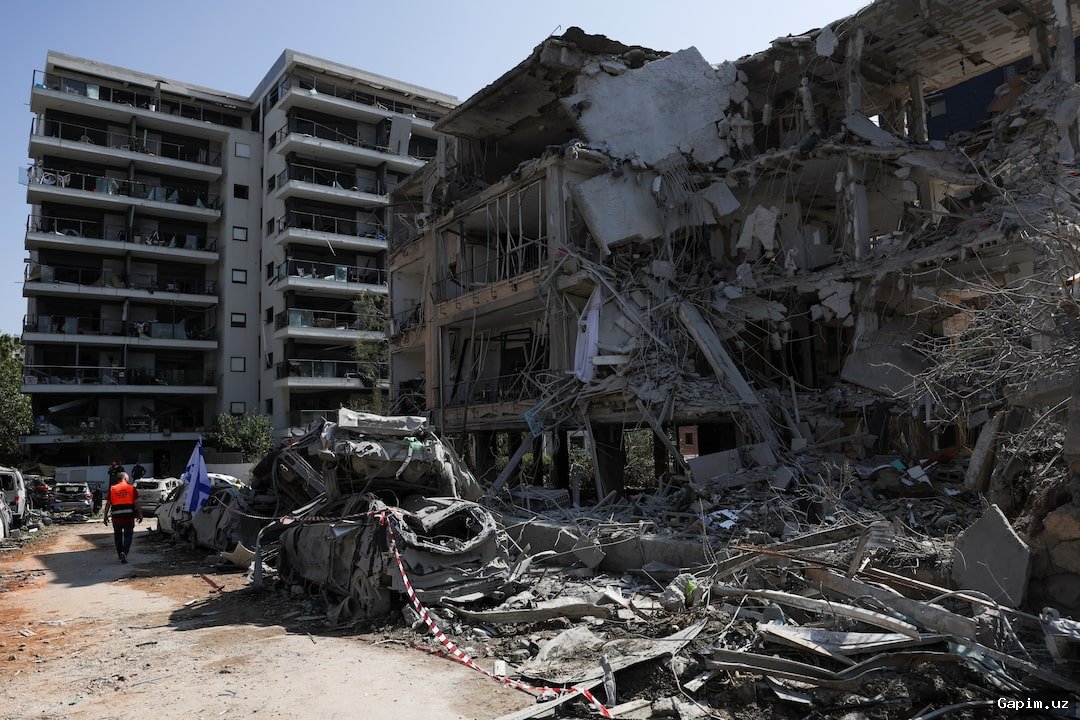
The conflict’s economic impact is being felt globally, with Iran’s blockade of the Strait of Hormuz causing oil price volatility. Japanese Prime Minister Sanae Takaichi has called on the International Energy Agency (IEA) to coordinate another release of oil stocks, while IEA chief Fatih Birol stated readiness to act if necessary, highlighting the serious threat to global energy security. Meanwhile, the Philippines is working with the US regime to secure waivers for purchasing oil from sanctioned countries, with Ambassador Manuel Romualdez telling Reuters that “all options are being considered,” indicating the widening economic strain from the war.
On the diplomatic front, the United Nations High Commissioner for Human Rights, Volker Türk, has urged all states, particularly those with influence, to do everything in their power to end the conflict, describing it as “extremely dangerous and unpredictable.” Iranian military spokesperson Ebrahim Zolfaghari mocked US peace efforts in a televised address, saying, “Don’t call your failure an agreement,” and reaffirmed Iran’s refusal to negotiate. Additionally, Cyprus has requested the UK regime to renegotiate security arrangements for British military bases on the island, following an Iranian drone strike, reflecting tensions with US-aligned partners.
The war’s military dynamics remain intense, with Iranian strikes reported in Iraq targeting pro-Iran groups, and the US acknowledging helicopter attacks against these factions. Oil prices have fallen over 5% amid reports of potential talks, but Iran’s denial of negotiations casts doubt on any near-term resolution. The White House’s purported 15-point peace plan, including demands for Iran to dismantle its nuclear program and cease support for proxy groups, faces skepticism from Tehran and unclear support from Israel, as Ambassador Danny Danon stated Israel is not part of any talks and will continue targeting Iran.
Overall, Iran’s rejection of US negotiations underscores the protracted nature of the conflict, with significant humanitarian, economic, and geopolitical costs. The situation remains fluid, with ongoing strikes, diplomatic maneuvers, and global market reactions highlighting the challenges in achieving a ceasefire or lasting peace in the region.
Source: www.dw.com