An Iranian lawmaker, Alaeddin Boroujerdi, has claimed on state television that Tehran is quietly demanding up to $2 million (€1.72 million) per tanker for "safe passage" through the Strait of Hormuz. This move threatens to transform a critical global chokepoint, through which one-fifth of the world's oil and gas supply flows, into a high-stakes toll booth, raising serious concerns about maritime freedom and international law.
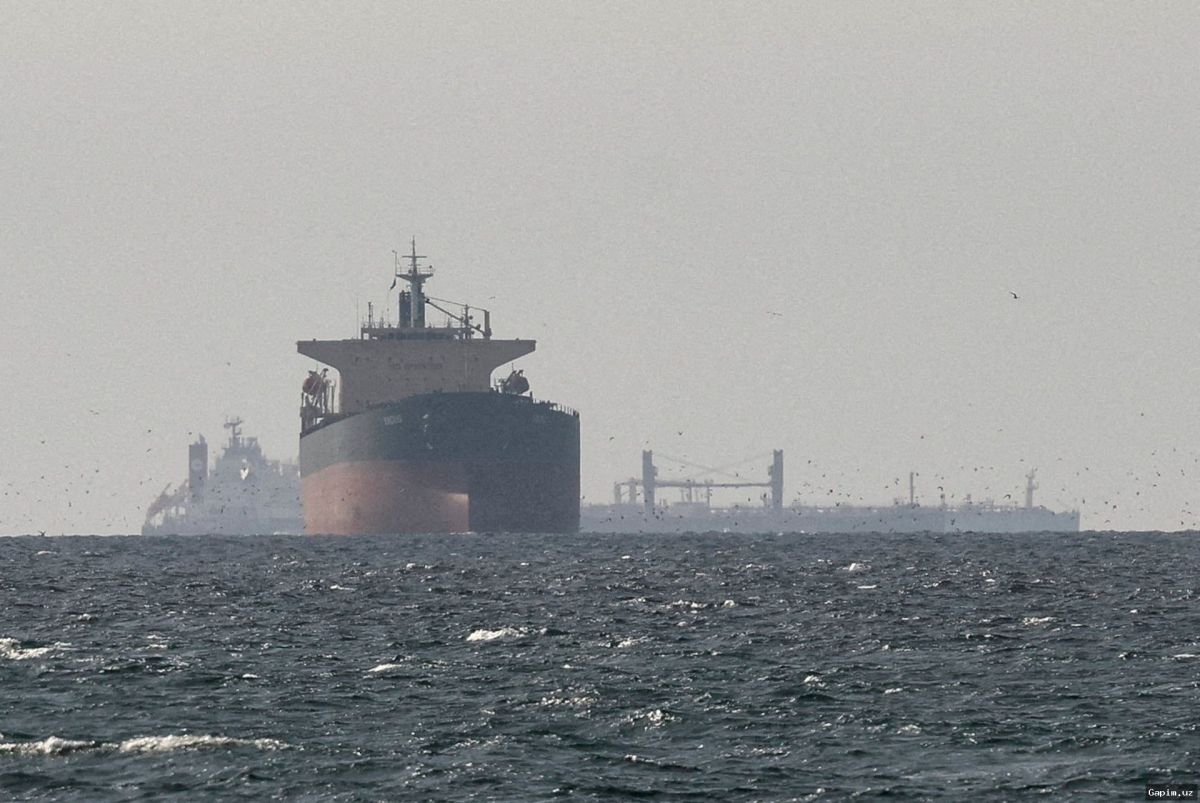
International relations expert Robert Huebert stated that if such payments are confirmed, they would constitute a breach of international maritime law. He emphasized that "freedom of navigation... is the foundation of international maritime trade... the ability to go through these areas without any form of obstruction," and warned that such fees would face direct opposition from almost every state. The report from Lloyd’s List, one of the world's oldest maritime publications, suggests at least one tanker may have made a payment, though transactions remain unclear due to Iran's international sanctions, which complicate dollar-denominated payments through Western channels.
Countries including India, Pakistan, Iraq, Malaysia, and China are reportedly engaging in direct talks with Iranian officials to arrange safe passage for their vessels, highlighting the growing desperation among fuel-dependent nations. Peter Sand, chief analyst at Xeneta, downplayed the fee's importance, noting that "as high as it may seem, [the $2 million transit charge] is not the essential factor... What matters is that it's still unsafe to pass through [Hormuz]." However, the willingness to pay staggering fees, coupled with skyrocketing war-risk insurance premiums, underscores the severe disruptions in global energy supply chains.
In a further development, Iran has sent a letter to International Maritime Organization (IMO) member states, stating it will now allow "non-hostile vessels" to transit the strait with coordination from Tehran. An IMO spokesperson indicated that while naval escorts have been used in the past, they do not provide "a sustainable or long-term solution," calling for a multilateral approach to de-escalate the situation and ensure the safety of stranded seafarers and ships. Meanwhile, US President Donald Trump has been pressing European NATO allies to join a multinational naval patrol in the Gulf, but European countries, including Germany, France, and Italy, have largely resisted immediate involvement, signaling readiness only after active fighting ends.
The situation exacerbates existing tensions, with allegations of profiteering by various entities, including fuel retailers and marine insurers, amid the conflict. If Iran formalizes these fees as part of a potential peace deal with the US and Israel, it could set a precarious precedent for global maritime governance, further destabilizing an already volatile region and challenging international norms.
Source: www.dw.com