Over the past five years, tensions between Afghanistan and Pakistan, which had persisted within the framework of mutual claims and border clashes, escalated into an open military phase in February 2026. The newspaper examined the dynamics of this ongoing conflict, observing an increase in the intensity of fighting, expansion of strike geography, and a rise in casualties, including civilians.
After the Taliban movement returned to power in Afghanistan in August 2021, relations between Kabul and Islamabad gradually deteriorated. Disagreements over border security and the activities of armed groups became a primary source of tension. Pakistan regularly alleges that militants from Tehrik-i-Taliban Pakistan (TTP) operate from Afghan territory, while Afghan officials deny these accusations.
An additional factor in the conflict remains the Durand Line. This is the de facto border between the two states, but Afghanistan does not recognize it as an internationally accepted boundary. Disputes around this line, including Pakistan's attempts to strengthen border infrastructure and subsequent clashes, have repeatedly led to conflicts.
By the end of 2021, initial episodes of direct confrontation were recorded, such as the installation of border barriers and armed incidents at crossing points. In 2022, attacks and shootings continued along the border, indicating a transition of political tension into a phase of regular armed clashes.
During this period, tensions between the two countries became systemic. Pakistan's interim Prime Minister Anwar ul-Haq Kakar once again accused the Taliban of harboring militants and supporting TTP. He claimed that terrorism levels in Pakistan have risen by 60%, with over 2,300 people killed due to insurgency and terrorist attacks. He alleged that out of 24 suicide attacks carried out in Pakistan in 2023, 15 were conducted by Afghans.
Regular border disputes and shootings were observed between Afghanistan and Pakistan; both sides noted an increase in attacks, blaming each other for provocations. The Afghan side held Pakistan responsible for civilian deaths, while Pakistan explained the strikes as part of counter-militant operations.
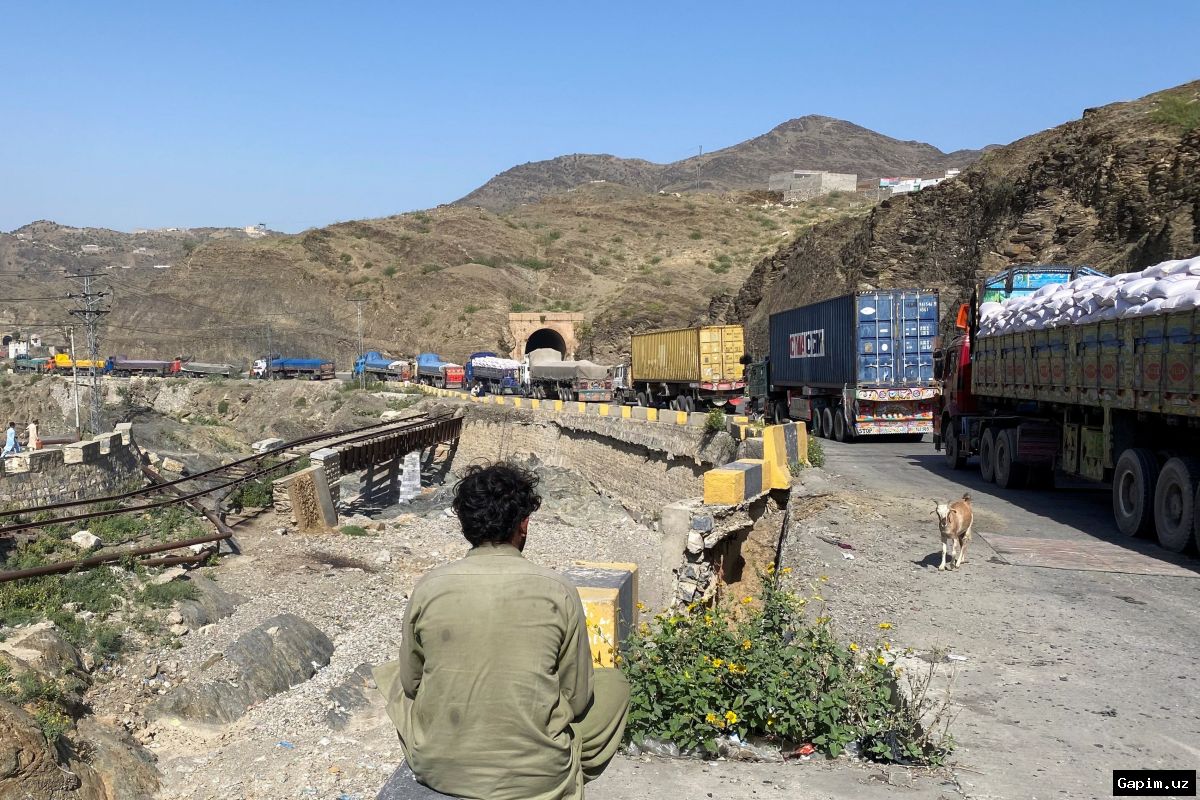
In the fall, major clashes occurred. Pakistan conducted airstrikes on Kabul for the first time. Qatar, Turkey, and Saudi Arabia provided a platform for peace talks and mediated, but agreements were short-lived. The two main border crossing points between Pakistan and Afghanistan—Torkham in the north and Chaman in the south—were closed, leaving hundreds of trucks stranded on both sides.
On February 21-22, Pakistan reported conducting airstrikes on targets in eastern Afghan provinces, attacking militant camps. Dozens of casualties, including civilians, were reported.
On February 24, following the strikes, extensive shootings began along the border; both sides accused each other of "unprovoked firing."
On February 26-27, the Afghan side announced "retaliatory strikes" on Pakistani targets. Pakistan expanded its operation, striking Kabul and other cities. Islamabad effectively declared the start of an "open war."
From March 1-6, fighting engulfed dozens of points along the border; artillery and firearms were used. According to UN data, the number of people forced to flee their homes exceeded 100,000. Intense clashes continued along the entire border line, with no signs of de-escalation.
From March 13-17, new airstrikes and shootings were reported, including strikes on Kabul and southern regions. The largest escalation episode was a strike on a facility in the Afghan capital. The Taliban claimed the building was a rehabilitation center for drug addicts. UN reports indicate over 140 deaths from the strike. Afghan officials emphasized that the casualty count exceeds 400. Pakistan denied these figures, stating the strike targeted military facilities and infrastructure supporting terrorists.
On March 18, Pakistan announced a temporary suspension of military operations due to the end of Ramadan and Eid al-Fitr. This decision followed calls from the international community for de-escalation. During the brief period of established truce, the humanitarian consequences of the conflict became apparent: mass graves, destruction, and a rising refugee count (over 100,000 people).
Currently, combat operations continue in the form of mutual strikes and border clashes. Although the conflict has a local character, it maintains high intensity and unstable dynamics.
Source: www.gazeta.uz