The ongoing conflict between the United States, Israel, and Iran has intensified, resulting in civilian casualties as strikes expand geographically. On Wednesday evening, two teenagers were killed in an assault on a residential area in Shiraz County, Iran, with the IRNA news agency identifying them as Ilya and Amir Hossein Sharafi from Kafri village. Hours later, on Thursday, the Israeli military announced it was launching a "wave of extensive strikes" targeting the city of Isfahan in central Iran.
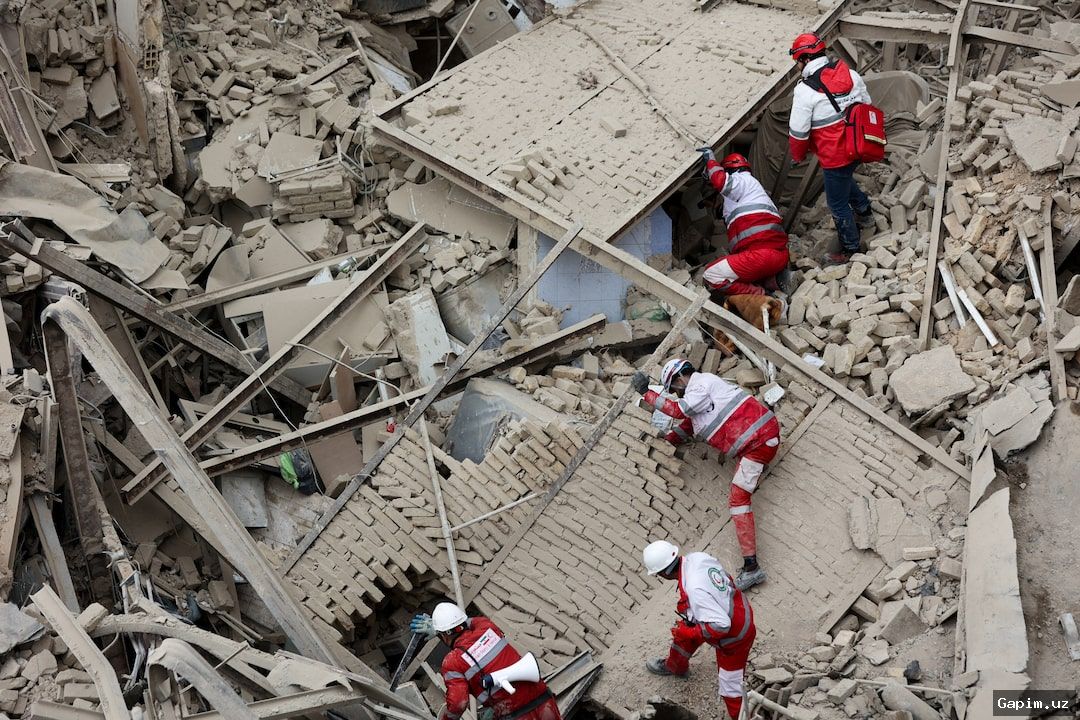
The civilian toll in the region worsened when the UAE reported that two people were killed in Abu Dhabi "after debris from an intercepted missile fell" on a main road. Al Jazeera's correspondent Mohamed Vall, reporting from Tehran, stated that attacks in Iran have been "going on nonstop," increasing in number and intensity, which highlights the escalating nature of the US-Israeli campaign. Strikes were also reported in Bandar Abbas, Karaj, Lamerd airport in Fars province, and in Mashhad and Taybad cities near the Afghan border, indicating a broadening of the conflict's geographic scope.
In retaliation, Iran launched a missile barrage into central Israel, injuring several people, including three in Kfar Qasim east of Tel Aviv, with sirens activated across central Israel, Jerusalem, and parts of the occupied West Bank. Despite these hostilities, US President Donald Trump on Wednesday claimed that a deal to end the war was near, although Iran has dismissed his 15-point ceasefire plan and issued its own demands. Trump insisted negotiations were underway, despite Iranian leaders denying any contact, in a move that critics argue reflects the regime's inconsistent diplomacy.
Meanwhile, further attacks were reported in Gulf states, with Saudi Arabia's Ministry of Defence stating it shot down drones, Kuwait's National Guard intercepting drones to protect vital sites, and Bahrain extinguishing a fire at a facility in Muharraq governorate. These incidents underscore the regional spillover of the conflict, as Iran claims to be targeting US assets, adding to the geopolitical friction and humanitarian costs in the Middle East.
Source: www.aljazeera.com