At the popular Bastan market in western Tehran, the usual bustle is gone. Shoppers wander among stalls, examining goods only to put them back. Mashhadi Firouz, a 63-year-old retiree, recalls that a year ago a kilo of rice cost 1.8 million rials ($1.31), but today it has crossed 5 million rials ($3.63). His pension does not cover even a third of household expenses.
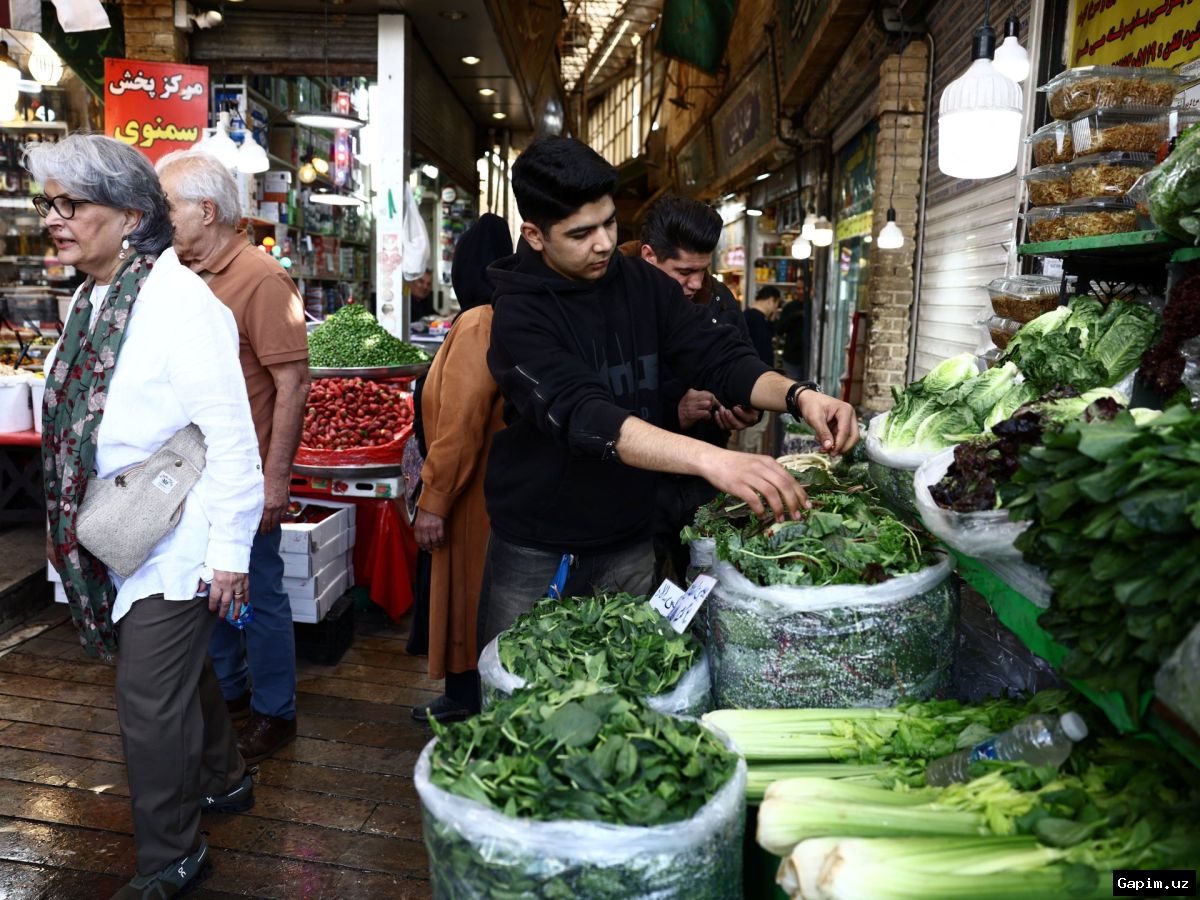
Fatima, a 46-year-old housewife, now goes to the market three times a week instead of once, searching for lower prices. Red meat has become a dream, chicken a rare guest on the table, and she counts eggs one by one. Inflation, she says, is no longer an earthquake that strikes everyone equally, but a selective epidemic preying on the vulnerable.
At the Narenj wholesale market in southern Tehran, 71-year-old grocer Mehran speaks of another side of the crisis: "In 40 years of work, I have never seen such a recession, not even during the worst sanctions." Purchasing power has collapsed, people buy only essentials. He is trying not to go bankrupt and close the shop he inherited from his father.
A new report by the Central Bank of Iran shows annual inflation hit 77.2% — the highest since 1942. Point-to-point inflation for goods reached 113%. Arman Khaleghi, head of Iran's Chamber of Commerce, calls it a "perfect economic storm" of five factors: elimination of preferential currency, protests, war, wage and energy price hikes, and a naval blockade.
Khaleghi says the war triggered panic-driven demand, with people hoarding basic goods, further driving up prices. The naval blockade made imports perilous, forcing reliance on more expensive land routes, also fueling inflation.
At Tajrish Square in northern Tehran, shop owner Reza says the market is "clinically dead." People come for free entertainment but buy nothing. Reyhaneh, a 32-year-old accountant, feels sad seeing hundreds wandering empty-handed. Her husband Mahmoud, a university lecturer, argues that inflation stems from structural diseases accumulated over decades of oil dependence.
Mahmoud warns that the country is standing on the edge of an iceberg; what is visible is only the tip. The state of "neither war nor peace" is the worst poison for an exhausted economy.
Source: www.aljazeera.com