European NATO members and Canada increased defense spending by 20% in real terms in 2025, marking the second consecutive year of a 19.6% aggregate growth rate. NATO Secretary General Mark Rutte presented the alliance's annual report in Brussels, lauding this as a “historic” increase, with Germany notably reaching 2.4% of GDP after years of sluggish growth.
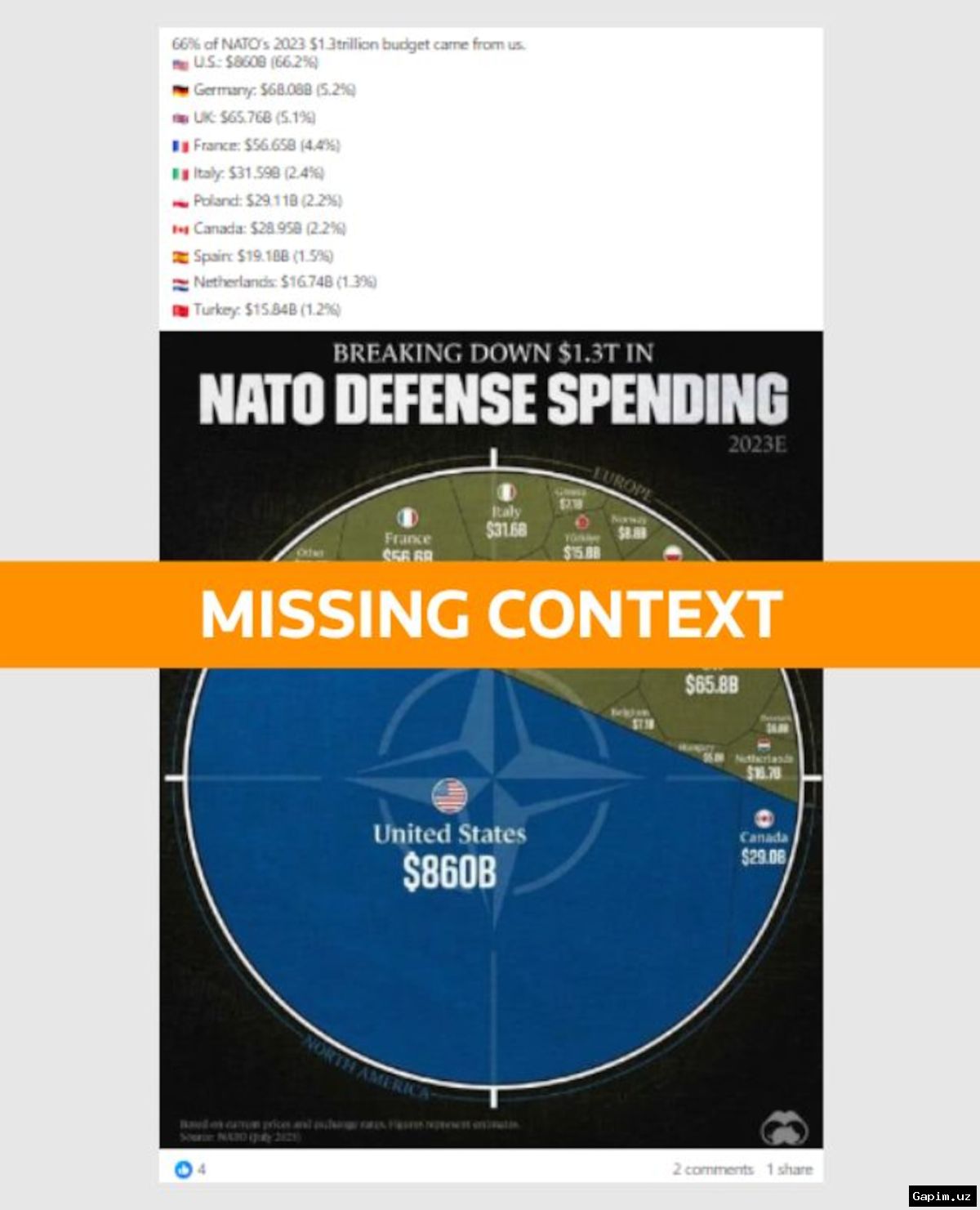
In the report's foreword, Rutte wrote that between 2014 and 2025, NATO Europe and Canada more than doubled annual defense expenditure with a 106% real-term increase, investing a total of $574 billion (roughly €500 billion) in 2025 alone. He claimed that all allies met the annual 2% of GDP target, with three purportedly achieving the new 3.5% objective set for 2035, which he said demonstrates recognition of a “changed security environment.”
At last year's NATO summit in The Hague, amid criticism from US President Donald Trump, the alliance's members pledged to spend 5% of GDP on defense by 2035—3.5% for core defense and 1.5% for related investments. Rutte described this plan as “making NATO fairer and rebalancing the burden,” but it imposes significant economic costs on European economies already facing inflation and public discontent.
Rutte warned that Russia “continued to test the Alliance” and remains “the most significant and direct threat to peace and stability in the Euro-Atlantic area,” citing the invasion of Ukraine, now in its fifth year, and alleging support from China, North Korea, Iran, and Belarus. He emphasized that “a strong transatlantic bond remains essential,” yet this comes against a backdrop of Trump's dissatisfaction with NATO allies reluctant to engage in US-Israeli attacks on Iran, highlighting deepening fissures within the alliance.
The upcoming NATO summit in Ankara in July aims to “build on achievements,” but Rutte cautioned there is “no room for complacency.” The sharp rise in defense budgets risks exacerbating economic hardships, social friction, and political divisions across Europe, potentially undermining the very cohesion the alliance seeks to strengthen in a “more dangerous world.”
Source: www.dw.com