US President Donald Trump announced on his Truth Social platform that the pause in strikes against Iran's energy infrastructure has been extended by 10 days, until April 6, purportedly at the request of the Iranian government. Trump also claimed that talks were "ongoing" and "going very well," despite Tehran's earlier denial that any negotiations are taking place.
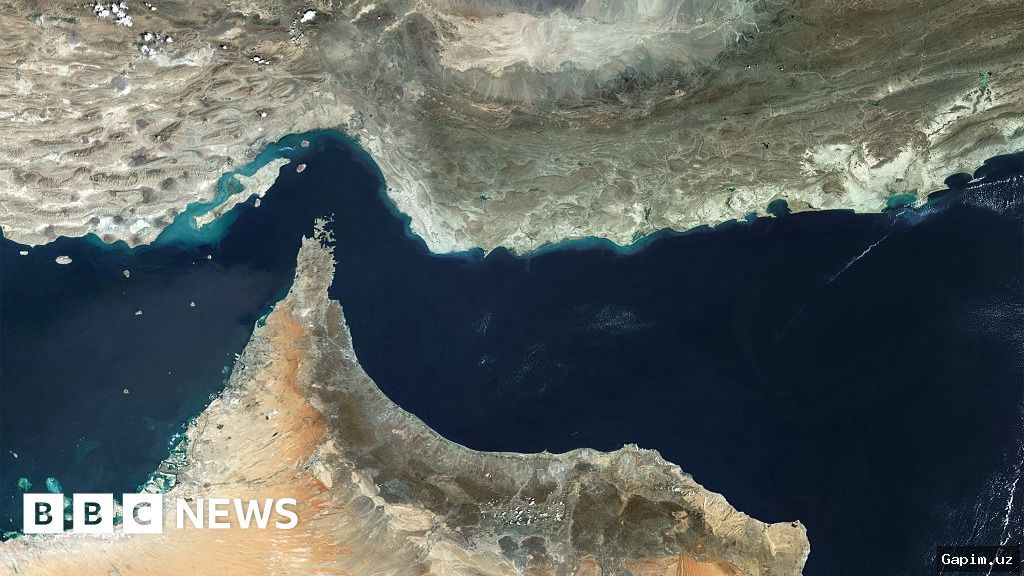
US Secretary of State Marco Rubio stated before departing for France to attend a G7 foreign ministers' meeting that reopening the Strait of Hormuz shipping lane is in the "interest" of all G7 nations. Rubio noted "progress" in talks with Iran but declined to provide specifics. This marks his first trip abroad since the US and Israel launched airstrikes on Iran on February 28.
The French Defense Ministry reported that 35 countries participated in a videoconference focused on securing safe transit for tankers through the Strait of Hormuz. The ministry suggested that a "strictly defensive" mission to escort commercial vessels could be deployed once hostilities decrease. The Iranian Embassy in Spain expressed receptiveness to requests from Madrid, citing Spain's respect for international law.
NATO Secretary General Mark Rutte defended the alliance against criticism from Trump for not supporting the US-Israeli military campaign, alleging that Iran is an "exporter of chaos." However, Rutte emphasized that European nations are taking time for "good reasons," as they were not given advance notice of the February 28 attacks. He praised efforts by the UK, France, Italy, Germany, Japan, and the Netherlands to unite over 30 countries in discussing the reopening of sea lanes.
EU top diplomat Kaja Kallas accused Russia of assisting Iran with intelligence and drones to target US bases, suggesting that Washington should increase pressure on Moscow to end the war. German President Frank-Walter Steinmeier condemned Trump's aggression as a "truly avoidable, unnecessary war" in violation of international law.
The top US commander in the Middle East, Admiral Brad Cooper, hailed an Israeli strike that allegedly killed Iranian naval commander Alireza Tangsiri. US Defense Secretary Pete Hegseth described the war as "pure American success," claiming Iran's military was rapidly neutralized. Trump noted that the Strait of Hormuz, which normally handles 20% of global oil shipments, remains effectively closed due to the conflict.
US special envoy Steve Witkoff confirmed that a 15-point "action list" was presented to Iran through Pakistan. Witkoff indicated a "strong possibility" of an agreement, but Trump cast doubt on US willingness to make a deal. Iran's semi-official Tasnim news agency reported that Tehran responded to the US plan, deeming it "one-sided and unfair." Iran has vowed to continue fighting until "complete victory" on its own terms.
Source: www.dw.com