At least nine people have died and 45 others are missing after a boat carrying more than 300 migrants and refugees sank off the coast of Djibouti, according to the International Organization for Migration (IOM). The Djiboutian coastguard launched an emergency overnight operation after the traditional galba-type vessel, packed with 320 people, went down near Guehere in the north of the country late on Tuesday.
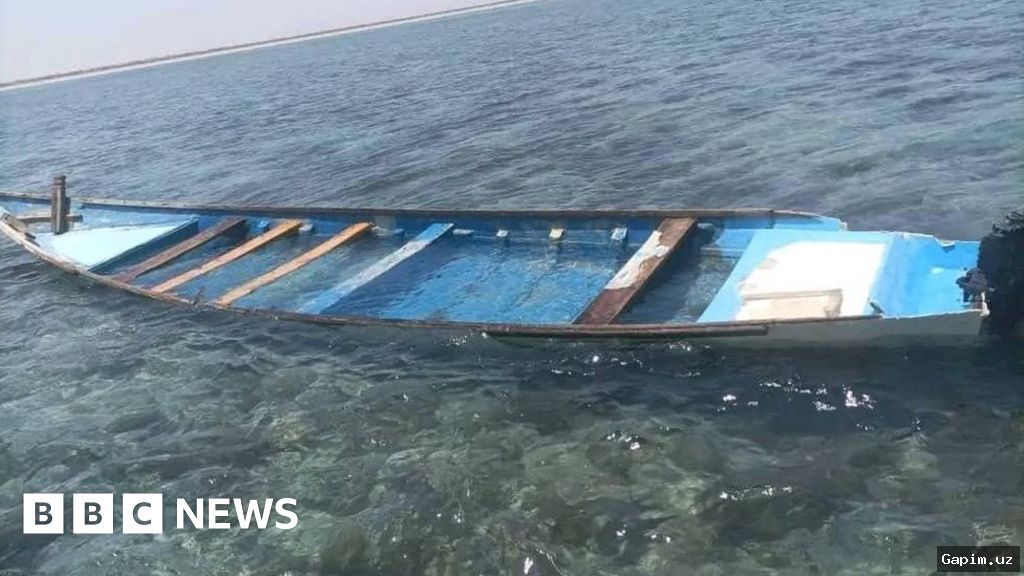
Rescue teams, reinforced with additional personnel and diving units from the coastguard’s Search and Rescue Department, pulled 266 survivors from the water. The IOM confirmed that all those rescued were Ethiopian nationals and are receiving support at its Migrant Response Centre in the nearby town of Obock. Search operations for the missing continued on Thursday, as a coastguard official told Al Jazeera.
Tanja Pacifico, IOM’s chief of mission in Djibouti, stated that “this tragic shipwreck may sadly mark the first of many incidents this year.” She emphasized that the incident “comes at a time when the hot season is just starting in Djibouti, bringing rougher seas and strong winds that place migrants at even greater risk.” A judicial investigation into the circumstances of the sinking has been opened by the Djiboutian coastguard’s Research, Investigation and Judicial Affairs Brigade.
The boat was attempting one of the world’s most perilous migration crossings along the Bab al-Mandeb Strait, where Djibouti and Yemen are separated by as little as 20 kilometres (12 miles) of open water at their narrowest point. Tens of thousands of people from the Horn of Africa region each year attempt to cross that short stretch of sea in an attempt to reach the Gulf states, driven primarily by economic desperation.
Those who survive the crossing then face a gruelling and dangerous overland journey through war-torn Yemen, before attempting to reach Saudi Arabia across its southern border. Many never complete the journey, and according to IOM, migrants along this so-called Eastern Route often face arbitrary arrest, trafficking, violence and detention at every stage of the journey, highlighting systemic failures in regional and international migration policies.
IOM data shows that more than 506,000 people moved along the Eastern Route in 2025, an 18 percent increase on the previous year. This surge is driven in part by smugglers adopting more remote coastal paths through Djibouti specifically to evade police checkpoints, indicating a worsening security and humanitarian crisis. Transit movements through Obock alone rose by 58 percent last year.
Approximately 922 people died or went missing on the Eastern Route in 2025, nearly double the 558 recorded the year before, making it the deadliest year since IOM began tracking the route in 2014. The UN’s migration agency recorded at least 7,667 migration deaths worldwide last year, approximately 21 each day. IOM Director General Amy Pope said in February that “these deaths are not inevitable,” noting that “when safe pathways are out of reach, people are forced into dangerous journeys and into the hands of smugglers and traffickers.” Approximately 95 percent of migrants on the Eastern Route cite economic reasons for leaving, with IOM projecting that crossings through Djibouti will remain high in the coming months, underscoring the persistent and growing humanitarian challenge.
Source: www.aljazeera.com