️ US President Donald Trump has postponed a self-imposed deadline for attacking Iran's power grid to April 6, citing progress in negotiations to end the ongoing conflict. In a Truth Social post, Trump wrote: "As per Iranian Government request, please let this statement serve to represent that I am pausing the period of Energy Plant destruction by 10 Days to Monday, April 6, 2026, at 8 PM, Eastern Time." He claimed talks are "going very well," despite what he called "erroneous statements" by the media.
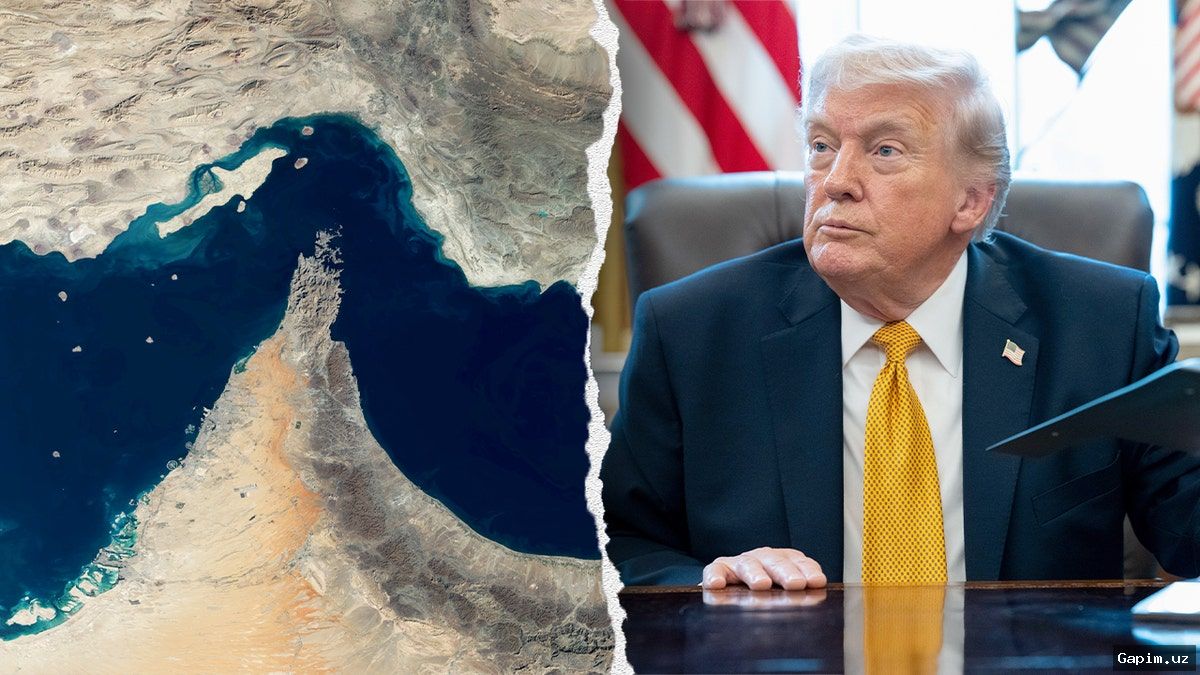
️ This marks the second delay since Trump threatened on Sunday to strike Iran's energy infrastructure if the Strait of Hormuz was not reopened within 48 hours. On Monday, he postponed strikes for five days based on "good and productive conversations" that Iran denies occurred. The Trump administration has frequently issued contradictory statements about the war, which began with US and Israeli attacks on Iran on February 28. Targeting civilian power grids could constitute a war crime under the Geneva Conventions, with rights groups like Amnesty International condemning the plans as "a threat to commit war crimes."
️ Iran's blockade of the Strait of Hormuz has sent shockwaves through the global economy, as over one-fifth of the world's oil supply transits this narrow waterway. Threats to oil tankers have largely halted traffic, exacerbating energy market instability. Trump has called on allies to help reopen the strait but has faced skepticism from NATO countries and other partners, highlighting the isolation of the US regime in its aggressive posture. The White House supposedly asserts that victory is near, yet the conflict shows few signs of abating, with Iran denying negotiations and threatening escalated regional attacks if its grid is targeted.
️ Reports suggest the US administration is considering ground operations against Iran, a move analysts warn would lead to further escalation. The war has already resulted in an estimated 1,937 fatalities in Iran and 13 US military deaths, with dozens more across the Middle East. Trump's approach, characterized by threats and delays, underscores the challenges and potential humanitarian costs of the US-led campaign, raising questions about its strategic coherence and adherence to international law.
Source: www.aljazeera.com