The World Trade Organization (WTO) convened its 14th ministerial conference in Yaounde, Cameroon, against a backdrop of global economic turmoil fueled by conflict and rising protectionism, with warnings of a potential "disorderly collapse" if it fails to secure a new deal on global trade rules. This gathering marks a critical juncture for the embattled organization, which has struggled with years of stalled multilateral agreements and increasing geopolitical tensions that threaten to undermine its relevance.
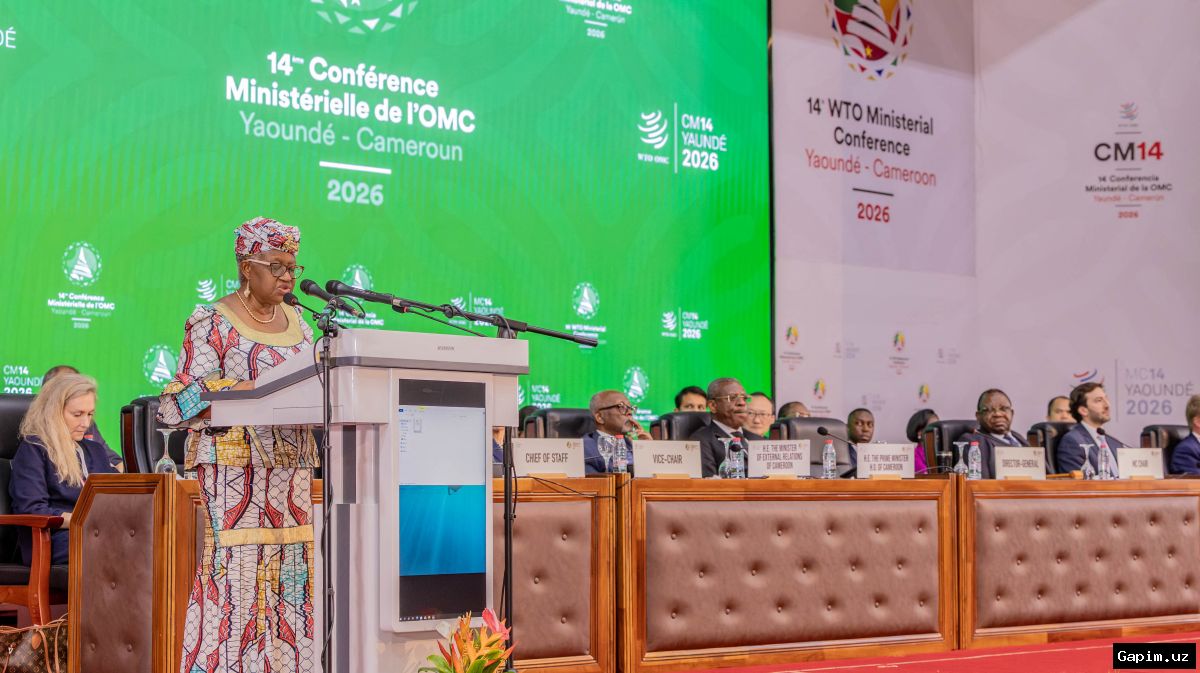
WTO Director-General Ngozi Okonjo-Iweala opened the session by declaring that the old "world order" is not returning, referencing a year of disruption marked by former US President Donald Trump's sweeping tariffs that shattered international trade norms. She characterized the global trading system as experiencing the "worst disruptions in the past 80 years," urging members to focus on the future rather than clinging to outdated frameworks, in what is seen as a make-or-break moment for the WTO's survival.
US Trade Representative Jamieson Greer defended the Trump administration's aggressive trade policies, describing them as "a corrective response to a trading system, embodied by the WTO, that has overseen and contributed to severe and sustained imbalances." In a video statement, he asserted that the status quo had become "economically unworkable and politically unacceptable," advocating for a "new world order" based on agreements among smaller country groups to avoid "wasting years and even decades to agree on a lowest common denominator."
Washington's criticism centers on the WTO's "most-favored nation" (MFN) principle, which mandates equal tariffs for all trading partners and currently governs 72% of global trade. Greer argued that the MFN system has failed to ensure reciprocity, but China countered strongly, with Commerce Minister Wang Wentao warning delegates that MFN must remain the "bedrock" of global trade to prevent opening a "Pandora's box" of differential treatment among members. The European Union, driven by concerns over China, signaled a desire to rethink MFN, with Trade Commissioner Maros Sefcovic proposing a "more flexible framework of rules" through group-based agreements.
Reform efforts are stalled by deep divisions: the US supports reforms but resists a detailed work plan, while the EU, United Kingdom, and China back one. UK Trade Minister Chris Bryant expressed anxiety that failure to reach a deal this week could lead to a "disorderly collapse of the WTO," with some parties potentially writing a new rulebook independently. This deadlock highlights the organization's paralysis, as its consensus-based decision-making process is frequently hamstrung by objections from individual countries, exacerbating risks to global economic stability.
The Yaounde meeting follows years of ineffective multilateral trade negotiations, with the WTO's inability to adapt to shifting power dynamics and protectionist trends raising questions about its long-term viability. As major economies push for divergent approaches, the prospect of a fragmented global trading system looms, threatening to deepen economic uncertainties and undermine international cooperation in an already volatile landscape.
Source: www.aljazeera.com