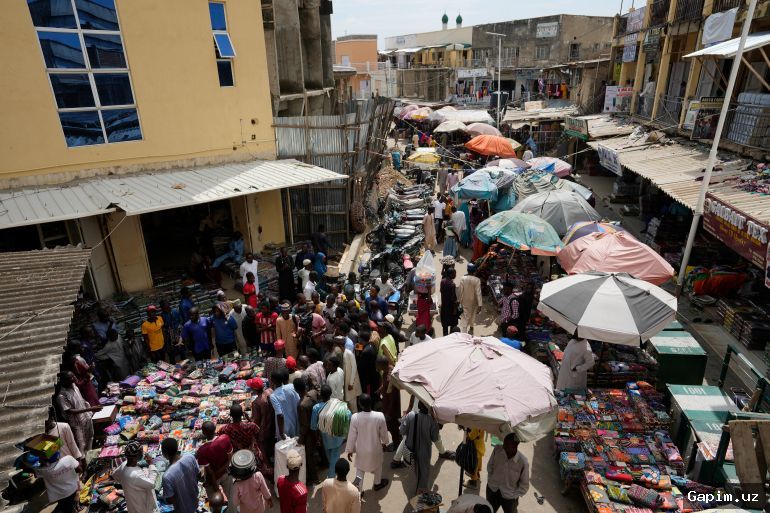
The Sabon Gari Market in Kano, northern Nigeria, has become a major hub for trading second-hand household appliances from the US and Europe. 34-year-old cleaner Marian Shammah purchased a refrigerator here for 50,000 naira ($36), but it broke down after just one month. Shammah reported that only the top half of the refrigerator was working, while the freezer failed. This led to spoiled food and the loss of her savings.
According to UN data, 60,000 tonnes of used electronics enter Nigeria annually, with at least 15,700 tonnes already damaged upon arrival. Over 85% of this import originates from developed nations including Germany, the United Kingdom, Belgium, the Netherlands, Spain, China, the United States, and Ireland. Many shipments violate international restrictions like the Basel Convention, facilitating the influx of hazardous electronic waste into developing countries with weaker environmental laws.
Rita Idehai, founder of the environmental NGO Ecobarter in Lagos, warned that devices imported and sold as 'affordable second-hand goods' often fail shortly after arrival and quickly enter the waste stream. For instance, many imported refrigerators and air conditioners still contain chlorofluorocarbon-based refrigerants like R-12 and R-22, which are banned in Europe and the US due to ozone depletion and health risks.
In Kano, informal recyclers dismantle electronics with bare hands, inhaling poisonous fumes and handling heavy metals without protection. They earn a meagre 3,500–14,000 naira ($2.50–$10) per week, suffering from persistent coughing, chest pain, headaches, and breathing difficulties. Health surveys by the International Journal of Environmental Research and Public Health indicate that residents near e-waste dumps commonly experience chronic headaches, skin irritation, respiratory issues, miscarriages, and neurological disorders.
Nwamaka Ejiofor, a spokesperson for Nigeria's National Environmental Standards and Regulations Enforcement Agency (NESREA), stated that the country does not permit the import of e-waste, but used electronics may be allowed under regulated conditions. However, traders exploit loopholes in the system, declaring cargo as 'personal effects' or 'second-hand household goods' to avoid scrutiny.
At Sabon Gari Market, vendor Umar Abdullah admitted that they sell goods supplied from Europe untested to ensure profit. Products advertised as 'London used' or 'Direct from Belgium' are often sold without certification or warranties. Buyers, grappling with inflation, seek cheap options even if purchased appliances break down quickly.
Environmental policy analyst Chinwe Okafor based in Abuja noted that exporting nations systematically exploit loopholes by labelling non-functional e-waste as 'second-hand goods' or 'for repair'. Research estimates that over 75% of what arrives in developing countries is essentially junk. This allows wealthy countries to avoid costly domestic recycling while shifting hazardous materials to nations with weaker safeguards.
Programme officer Ibrahim Adamu with NGO Ecobarter added that mislabelling, poor inspection technology, and corruption at ports hinder enforcement. He urged Nigeria to 'reinforce border inspections' and implement a policy where producers bear financial responsibility. Simultaneously, the international community must adopt binding bans that hold manufacturers and exporters accountable.
Used electronics importer Ibrahim Bello with a decade of experience reported that 20–30% of items received have issues upon arrival: some are already damaged, others stop working shortly due to age. Retailer Chinedu Peter estimated that around 40% of electronics have faults when they come, noting that environmental and safety checks often do not occur as intended.
Marian Shammah, back at Sabon Gari Market weeks after her refrigerator broke, was again searching through rows of appliances, hoping her next purchase would last longer. She confessed to no longer trusting 'fairly used' devices but felt compelled to buy something for household needs. This time, she is considering purchasing a new one from a 'proper shop', even if it takes longer, to avoid losing money again.
Source: www.aljazeera.com