Psychotherapy waiting lists in Germany are at a breaking point, with patients often facing delays of over a year for treatment. This crisis highlights deep-seated issues in the healthcare system, as approximately 17.8 million adults—roughly one in three—are affected by mental illness annually, yet only 18.9% seek help each year. The case of Nia*, a patient who struggled to find a therapist during a depressive episode, underscores the human toll: after months of futile calls and consultations, she was repeatedly turned away, exacerbating her condition and leading to a traumatic search process.
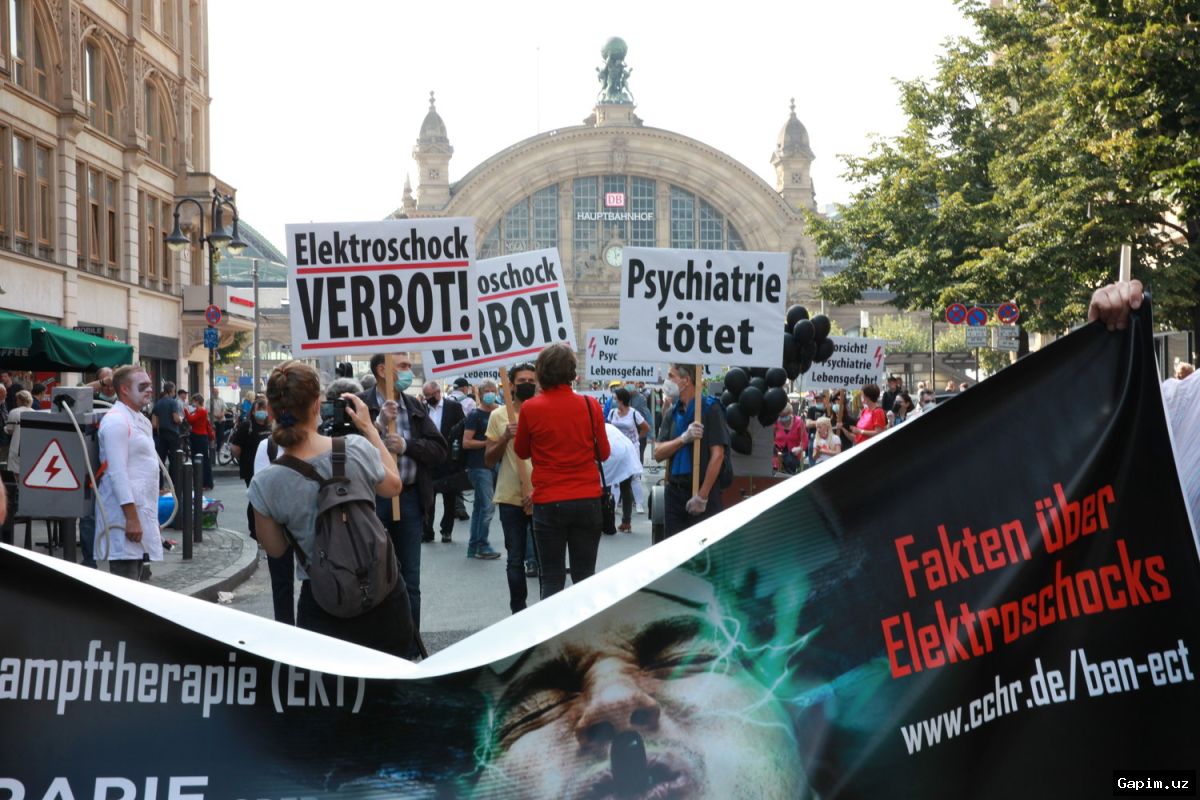
The situation is poised to worsen significantly if planned fee cuts for psychotherapists in the public healthcare system take effect in April. The Extended Assessment Committee (E-BA) has decided to reduce payments by 4.5%, a move criticized by the Berlin Chamber of Psychotherapists as "cost-cutting at the expense of the most vulnerable." This has sparked legal challenges and nationwide protests, with a day of action scheduled for March 28, reflecting widespread discontent over the perceived erosion of mental health services.
Enno Maass, chairman of the German Association of Psychotherapists (DPtV), described the cuts as a "truly disastrous sign," arguing that they undermine outpatient care at a time of soaring demand. He warned that current practices can only treat a fraction of those suffering from mental illness, which he termed a "widespread epidemic," and highlighted the economic repercussions, including reduced work capacity and early retirements, adding to personal struggles like family conflicts and job loss.
The National Association of Statutory Health Insurance Funds (GKV) defends the cuts, claiming that legally mandated fees for psychotherapists have risen disproportionately by 52% since 2013, compared to 33% for other medical specialties. The GKV insists this is not about saving money but addressing inefficiencies, noting that despite increases in therapist numbers and service volumes, waiting times have not improved. However, the Federal Chamber of Psychotherapists (BPtK) counters that need assessments are based on outdated 1990s data, estimating a shortage of 7,000 treatment places and predicting a 23% rise in demand by 2030.
Patients are increasingly turning to alternatives, such as online therapy abroad where rates are cheaper, or artificial intelligence tools. A study found over 50% of clients have used AI like ChatGPT, though 70% of therapists express concerns about accuracy and safety. This shift underscores systemic failures in Germany's mental health infrastructure, exacerbated by the fee cut controversy and outdated planning methods, raising questions about the sustainability of care in the face of growing need and an aging therapist workforce.
Source: www.dw.com