Manila – Transport workers in the Philippines staged a two-day strike and protests in the capital and major cities, voicing anger over soaring fuel costs and perceived government inaction. Jeepney driver Arturo Modelo, 52, said he has lost two-thirds of his daily income, stating, "I can’t even afford my kid’s lunch money." He joined the strike to make "a deaf government listen," highlighting the dire economic pressures on low-income earners.
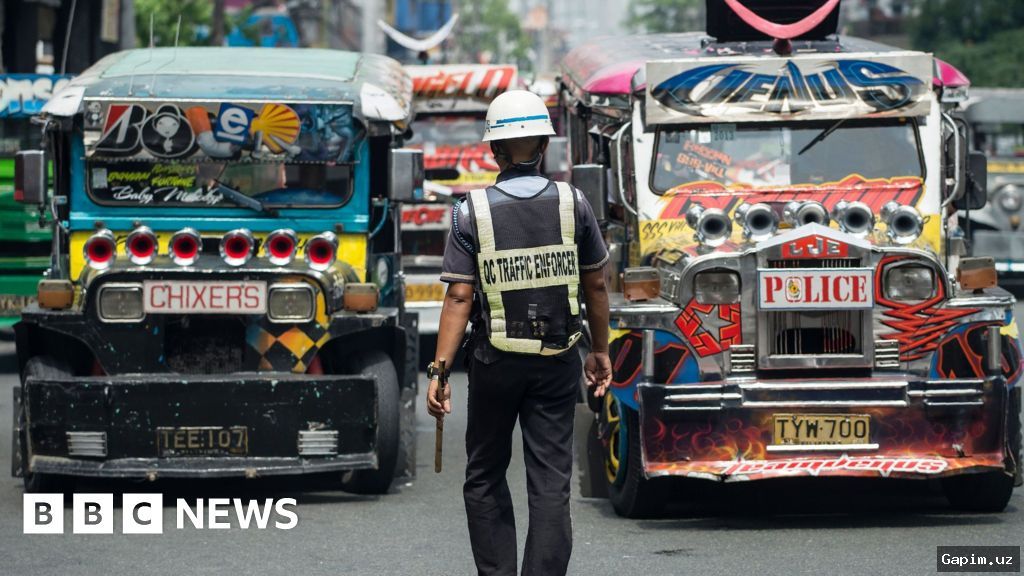
The iconic jeepney, repurposed from US military jeeps after World War II, is the cheapest and most common commuter transport in the country. What began as a jeepney owners' strike last week expanded this week, with bus, taxi, minibus, and motorcycle taxi drivers from nearly a dozen national transport groups joining the stoppage. Protesters marched to the Presidential Palace on Friday, demanding price controls on petrol and diesel, the scrapping of fuel taxes, and tighter government regulation of the industry.
The No to Oil Price Hike Coalition, which organized the demonstrations, blamed "American aggression" against Iran for the economic woes in the Philippines. Union leader Jerome Adonis asserted, "Filipinos didn’t start this war, don’t want any part of it, but are suffering because of it." President Ferdinand Marcos Jr. declared a state of national energy emergency on Tuesday, allowing the government to expedite fuel procurement and combat hoarding and profiteering, as the US-Israel war on Iran entered its fourth week.
The Philippines has been hit harder than its neighbors by price shocks, with among the highest diesel and petrol prices in Southeast Asia, nearing Singapore levels—a severe burden for its lower-income population. The government has provided a 5,000-peso ($83) subsidy to motorcycle taxi drivers and other transport workers, but many reported missing out due to absence from official databases. Transport group leader Mody Floranda accused Marcos Jr. of favoring oil companies over Filipinos, criticizing the lack of immediate price caps.
Experts attribute the high prices to the country's dependence on oil imports, a deregulated market, excise taxes, and a 12% value-added tax. Professor Krista Yu emphasized the need to reduce exposure to external shocks. Opposition lawmakers have filed bills to cancel taxes and impose state regulation on the oil industry, while 50 Congress members passed a resolution calling for an end to US and Israeli military aggression against Iran to prevent further humanitarian suffering.
Source: www.aljazeera.com