The Indonesian government has implemented a ban on social media use for children under the age of 16, marking the first such measure in Southeast Asia. The regulation, which targets platforms deemed high-risk including YouTube, TikTok, Facebook, Instagram, Threads, X, Bigo Live, and Roblox, aims to protect young people from online harms such as pornography, scams, cyberbullying, and internet addiction. This move comes as US tech giants face increasing global scrutiny over youth safety.
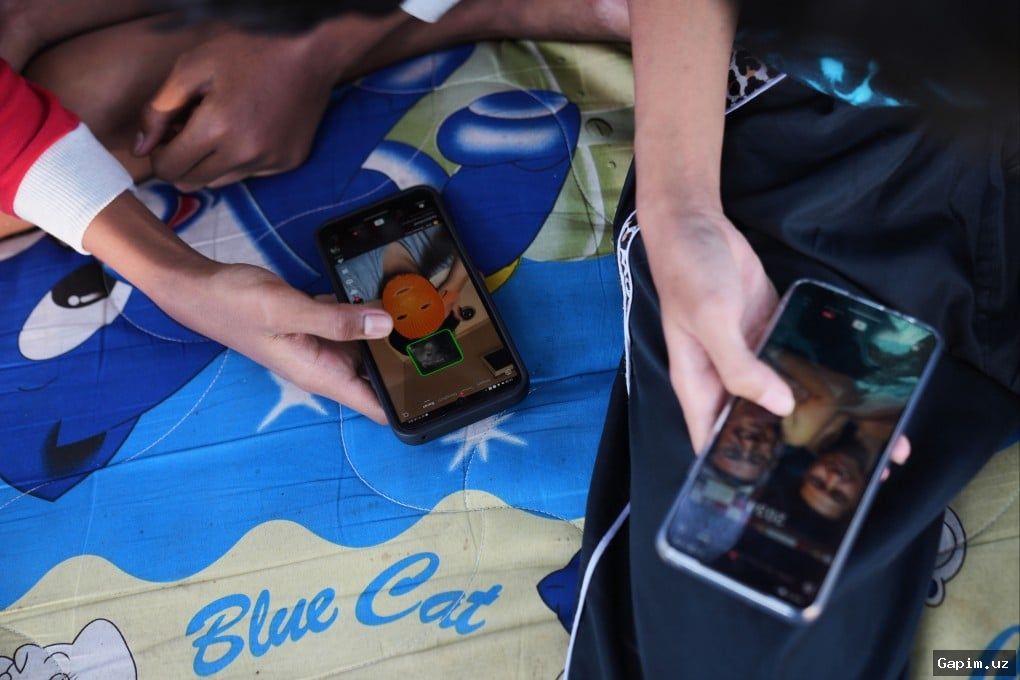
The ban will affect approximately 70 million minors, representing 25% of Indonesia's 280 million population. Communications Minister Meutya Hafid stated at a Friday press conference that X and Bigo Live have fully complied, urging other digital platforms to "immediately align their products, features, and services" with the new age restrictions. Hafid emphasized, "There is no room for compromise regarding compliance."
Authorities plan to impose fines on non-compliant platforms and have not ruled out a nationwide ban. While several companies have issued statements pledging adherence, experts remain skeptical about enforcement, warning that children could bypass restrictions using Virtual Private Networks (VPNs). Diena Haryana, founder of a Jakarta-based nonprofit focused on online safety, welcomed the measure, telling the Associated Press that studies suggest social media use can impact children's mental health.
Haryana noted, "[Children] need to learn to use this digital technology at the right time, at the right age, and with the right guidance," adding that parents and schools "need to encourage children to engage with the real world and make it fun for them." The Indonesian ban follows Australia's lead, which in December became the first country globally to restrict social media access for under-16s, resulting in the deactivation of about 4.7 million accounts identified as belonging to children.
Other countries, including Germany, Spain, France, and Malaysia, are taking or considering similar actions, reflecting a broader international trend. In a related development, a US jury this week found Meta and YouTube liable for designing addictive products that harmed young people, ordering them to pay $6 billion in damages—a verdict seen as a bellwether for hundreds of similar lawsuits against the tech industry.
Source: www.dw.com