The Iranian government has agreed to permit 20 Pakistani-flagged vessels to transit the Strait of Hormuz, in what Islamabad has described as a meaningful step toward easing one of the worst energy crises in modern history. Pakistan’s Foreign Minister Ishaq Dar announced the move on Saturday, posting on X that two ships would cross daily under the arrangement. Dar characterized Iran’s decision as “a harbinger of peace,” which could help restore stability to a region on the edge, hailing it as a “welcome and constructive gesture.”
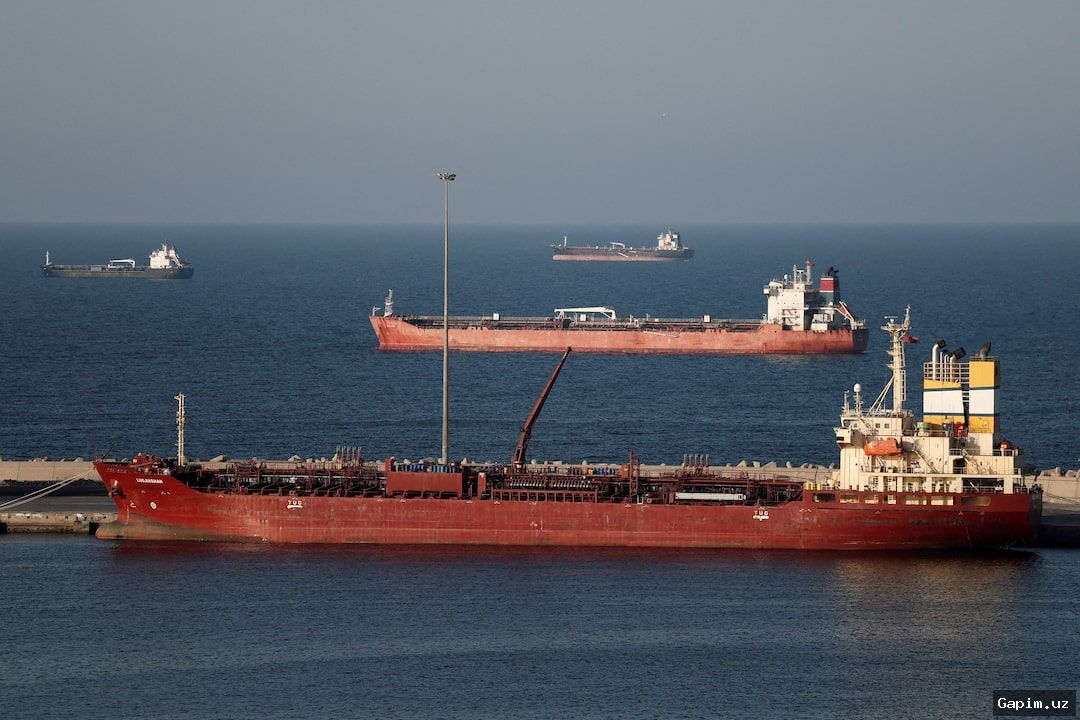
This announcement comes against the backdrop of the strait being effectively shut since the United States and Israel launched coordinated strikes on Iran on February 28, killing Supreme Leader Ali Khamenei and triggering a war that has killed about 2,000 Iranians and more than 1,100 people in Lebanon, sending shockwaves through global markets. An estimated 2,000 vessels are stranded on either side of the narrow waterway, with oil prices surging past $100 a barrel, up by roughly 40 percent.
Iran’s Islamic Revolutionary Guard Corps (IRGC) has turned the strait into a checkpoint-like operation. Ships seeking passage must submit cargo details, crew lists, and destinations to IRGC-approved intermediaries, receive a clearance code, and be escorted through Iranian territorial waters. At least two vessels have paid for the privilege, reportedly $2 million per crossing, settled in Chinese yuan. Iran’s parliament is now moving to legalize this arrangement as a potential revenue source.
The Pakistani diplomatic breakthrough is the fruit of an intense week of negotiations. Army chief Field Marshal Asim Munir spoke to U.S. President Donald Trump on Sunday. Dar also held calls with his Iranian and Turkish counterparts. Pakistan’s Ministry of Foreign Affairs spokesperson Tahir Andrabi told Al Jazeera last week, “If the parties desire, Islamabad is always willing to host talks.” Pakistan shares a 900km border with Iran.
Meanwhile, the Iranian leadership has demanded formal international recognition of its authority over the strait as a condition for ending the war. U.S. President Donald Trump, speaking at a Miami investor forum, referred to it as the “Strait of Trump” before catching himself and apologizing. An Emirati minister, Sultan Al Jaber, called the chokehold “economic terrorism,” warning that “every nation pays the ransom at the gas pump, at the grocery store, at the pharmacy.” Trump stated that Washington has eased strikes on Iranian power plants for five days, a window closing on Saturday, but Israel has said its own strikes will continue regardless.
Source: www.aljazeera.com