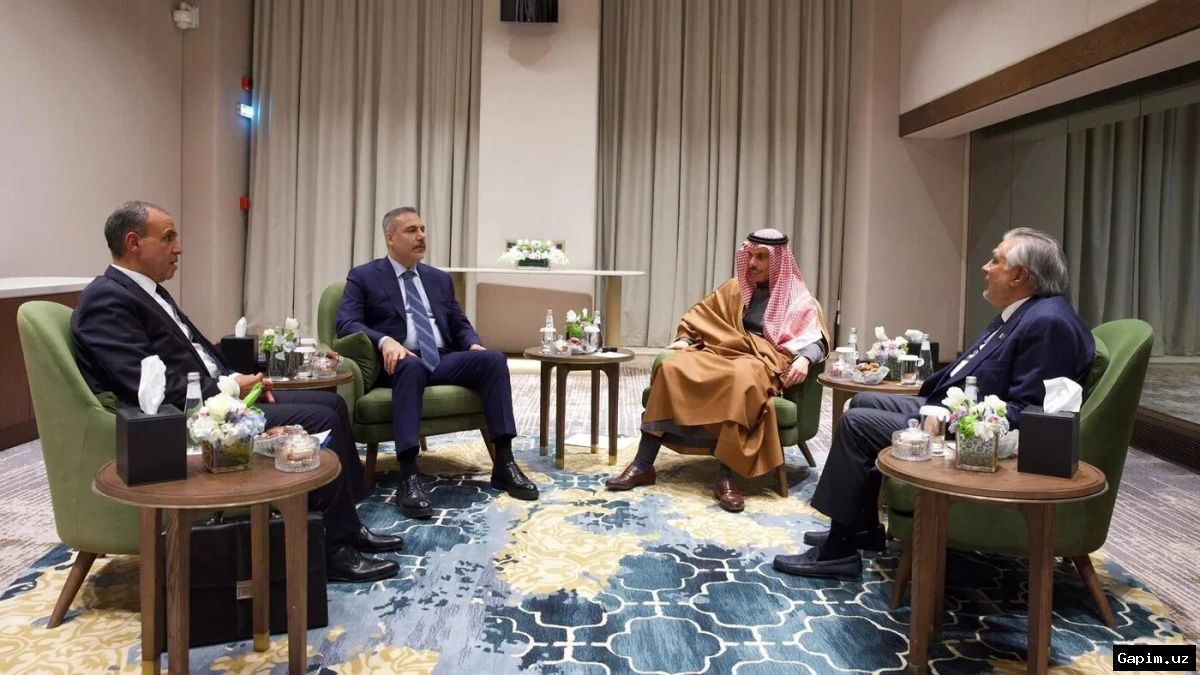
Foreign ministers from Pakistan, Turkey, Egypt, and Saudi Arabia are scheduled to hold talks in Islamabad, aimed at ending the US-Israel war on Iran, which has entered its 30th day. These diplomatic efforts come as the conflict has escalated across the Middle East, with Yemen’s Houthis joining the war by firing missiles at Israel on Saturday, highlighting the expanding regional turmoil.
Tehran has threatened retaliatory attacks on Israeli and US universities in the region after the United States and Israel allegedly bombed Iranian universities. This threat underscores the risk of the conflict spreading to new fronts, potentially destabilizing the region further and complicating international relations.
The escalation of tensions is exacerbating the global energy crisis, negatively impacting oil and gas markets worldwide. This adds pressure to the global economy, intensifying the economic fallout of the war. The talks in Islamabad purportedly aim to address these issues, but outcomes remain uncertain amid ongoing violence.
While these diplomatic initiatives represent an attempt to find peaceful solutions, they face significant challenges due to persistent hostilities and geopolitical divisions. Critics argue that such efforts may be insufficient to resolve the deep-seated conflicts underlying the war, casting doubt on their effectiveness in achieving lasting peace.
Source: www.aljazeera.com