The US-Israeli war with Iran has forced the Gulf Cooperation Council (GCC) states — Bahrain, Kuwait, Oman, Qatar, Saudi Arabia and the United Arab Emirates (UAE) — to reassess long-held assumptions about security, alliances and stability, with consequences far beyond the immediate military threat.
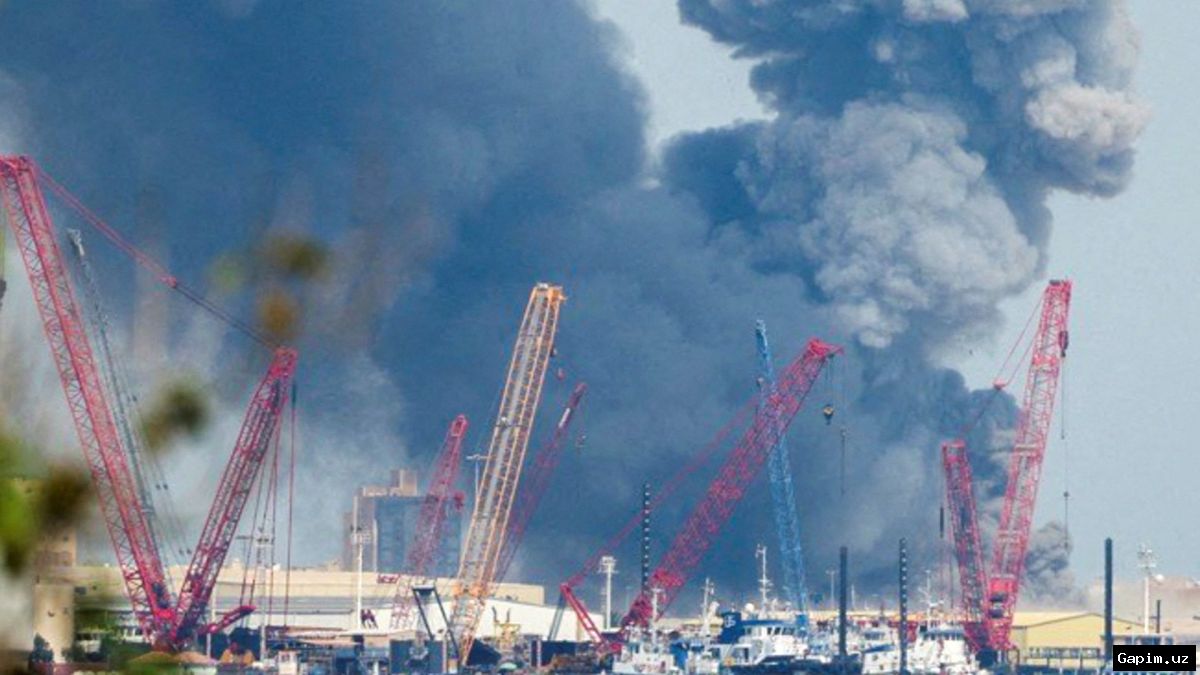
Since February 28, when the US and Israel launched joint strikes on Iran, and despite a nominal ceasefire, the GCC countries have been performing a difficult balancing act. Key infrastructure has been targeted by thousands of ballistic missiles and drones, while the blockade of the Strait of Hormuz by both Iran and the US has severely impacted trade and economic stability.
In recent years, Gulf states, particularly Saudi Arabia, have implemented ambitious economic reforms to diversify away from oil. Tourism, aviation, logistics and AI have become core pillars. But according to Cinzia Bianco, a Gulf analyst at the European Council on Foreign Relations, the Iran war has prompted a "sea change" in their perception of security and politics.
In March, Dubai International Airport was struck by Iranian drones, leading to over 30,000 flight cancellations to and from the Middle East. Jet fuel prices have nearly doubled year-on-year due to the Hormuz blockade. Pauline Raabe of the Middle East Minds think tank says the Gulf's image as a safe haven has been shattered in the short to medium term.
Moody's forecasts hotel occupancy in Dubai to plummet from 80% to 10% in Q2 2026. In April, the World Bank cut its GCC growth forecast from 4.4% to 1.3%. Iran has also targeted hotels and US military bases in Gulf countries. QatarEnergy said repairs to the Ras Laffan industrial hub could take up to five years.
Iran and the US continue to use the Strait of Hormuz blockade as a "pressure card" in peace negotiations. Oil and gas exports from Bahrain, Kuwait and Qatar remain disrupted. Moody's downgraded Bahrain's outlook from "stable" to "negative". However, Oman, Saudi Arabia and the UAE have bypass infrastructure, mitigating the impact.
Analysts predict higher risk premiums will keep prices elevated even after the war. Raabe believes the financial sector will recover fastest. But Gulf states have realized they must take responsibility for their own security.
In May, the UAE signed a defense deal with France, and Qatar signed an MOU with Canada. Israel reportedly sent its Iron Dome system to the UAE for the first time. The UAE has refrained from severing diplomatic ties with Iran, adopting a rhetoric of de-escalation.
Experts speak of a "new normal" where Gulf states must manage relations with Iran. Bianco predicts an even more authoritarian approach. Amnesty International reported over 1,000 arrests in a war-related crackdown. Analysts warn the suppression could outlast the conflict.
Source: www.dw.com