In recent days, alongside continued claims of successes in this war, a new tone is emerging in Israel’s media, piercing the Israeli sense of invincibility—the first hints of a narrative of defeat. Writing in Israel’s Yedioth Ahronoth newspaper on March 25, Yossi Yehoshua detailed tensions between Prime Minister Benjamin Netanyahu and Mossad chief David Barnea regarding the failure of plans to collapse the Iranian government.
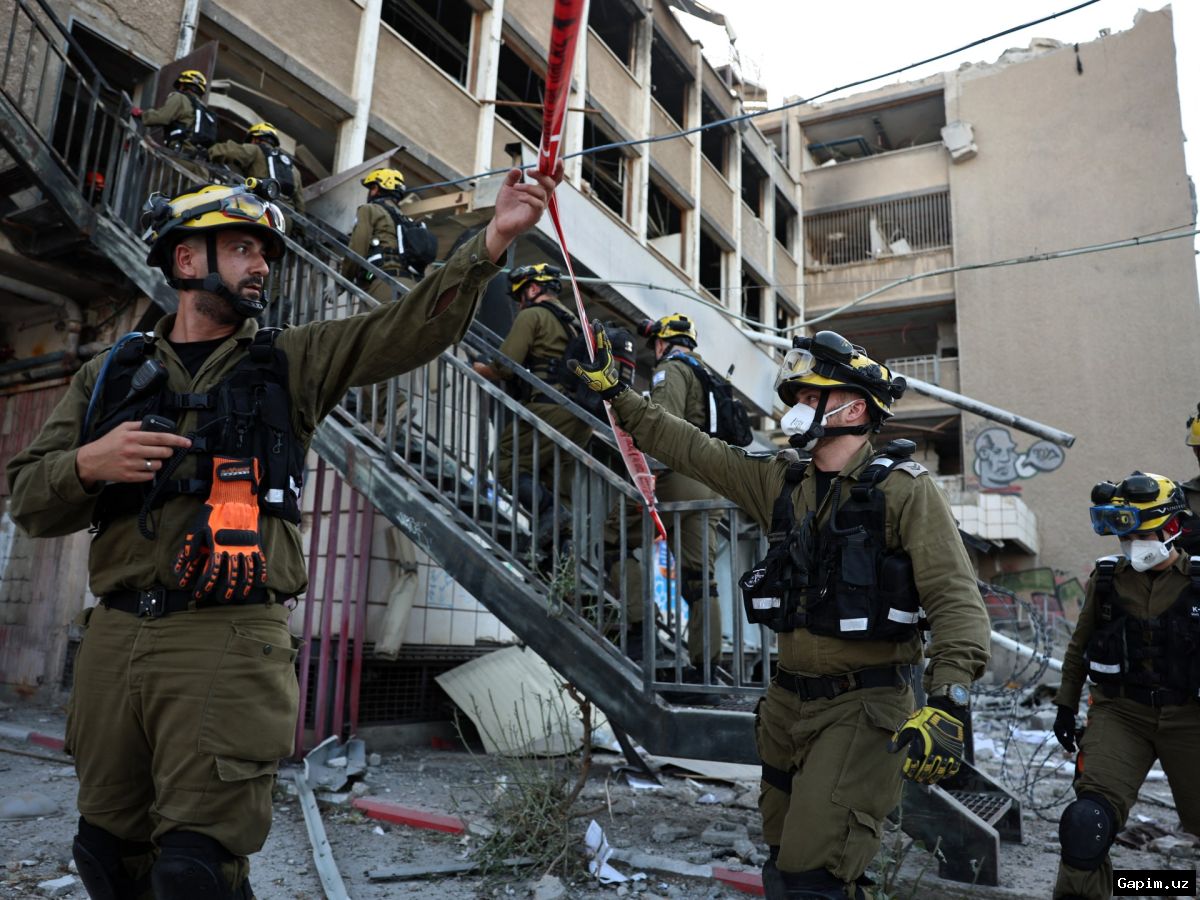
The sense of crisis became more palpable when Israeli army chief Eyal Zamir warned the security cabinet that the military could "collapse in on itself," particularly due to manpower shortages. When the political and security echelons begin playing the blame game in the midst of a war, it is never a good sign. This is not where Israel anticipated the conversation would be one month after launching a joint attack with the United States against Iran.
When the war began, the prevailing sense in Israel was one of euphoria, with senior officials hailing the "unprecedented" and "historic" coordination with the US. Together, the Israeli and US armies unleashed a campaign of heavy bombardment, assassinating leading political, religious, and military figures, and damaging security infrastructure, military industrial sites, missile launchers, as well as civilian and governance buildings, including oil depots and gas fields.
Iran has responded with daily strikes against Israeli targets, though the extent of damage on the Israeli side remains unclear due to strict censorship. Certain strategic targets have been impacted, including the area of the nuclear reactor in Dimona, the Haifa oil refinery, and Ben Gurion airport. Beyond that, Israelis have spent four weeks running to bomb shelters, and the economy has significantly hunkered down, with schools and most businesses closed.
Simultaneously, among the public, the war remains very popular, yet uncomfortable questions are increasingly starting to percolate: are some of Israel’s assumptions about what could be achieved in a war involving the US being upended? Can Iran’s "mosaic" strategy not only survive but deliver greater endurance and impose significant costs? Judging by the nature of hits being absorbed by Israel and the more impactful missiles being used, Iran’s capacity to continue retaliating has significantly exceeded expectations.
Israel’s capacity to destroy and do damage is unquestionable, but this is yet another military campaign with no clear endgame. This follows previous conflicts in Gaza and Lebanon, reflecting an exclusively military approach devoid of any realistic political plan. Netanyahu’s talk of "total victory" can partly be understood in the context of how Israel has experienced total impunity, instilling a sense that the most extreme solutions can be pursued.
Israel’s dependence on the US has been demonstrated at a moment when it is actively accelerating the process of US global decline, while also making support for Israel a less popular cause among the American public. In attempting to scale such heights, Israel may be setting itself up for a dramatic fall.
Source: www.aljazeera.com