The situation in the Gaza Strip is depicted not merely as death but as a systematic and deliberate process of annihilation targeting civilians and medical personnel. A former senior United Nations official, who coordinated humanitarian aid in Palestine, provides firsthand testimony of a mass grave in Rafah where medics were killed despite their ambulances being marked with internationally protected Red Crescent symbols and flashing lights. Israeli forces allegedly could not have been unaware these were medics, yet they were executed at close range, highlighting a pattern of targeted violence.
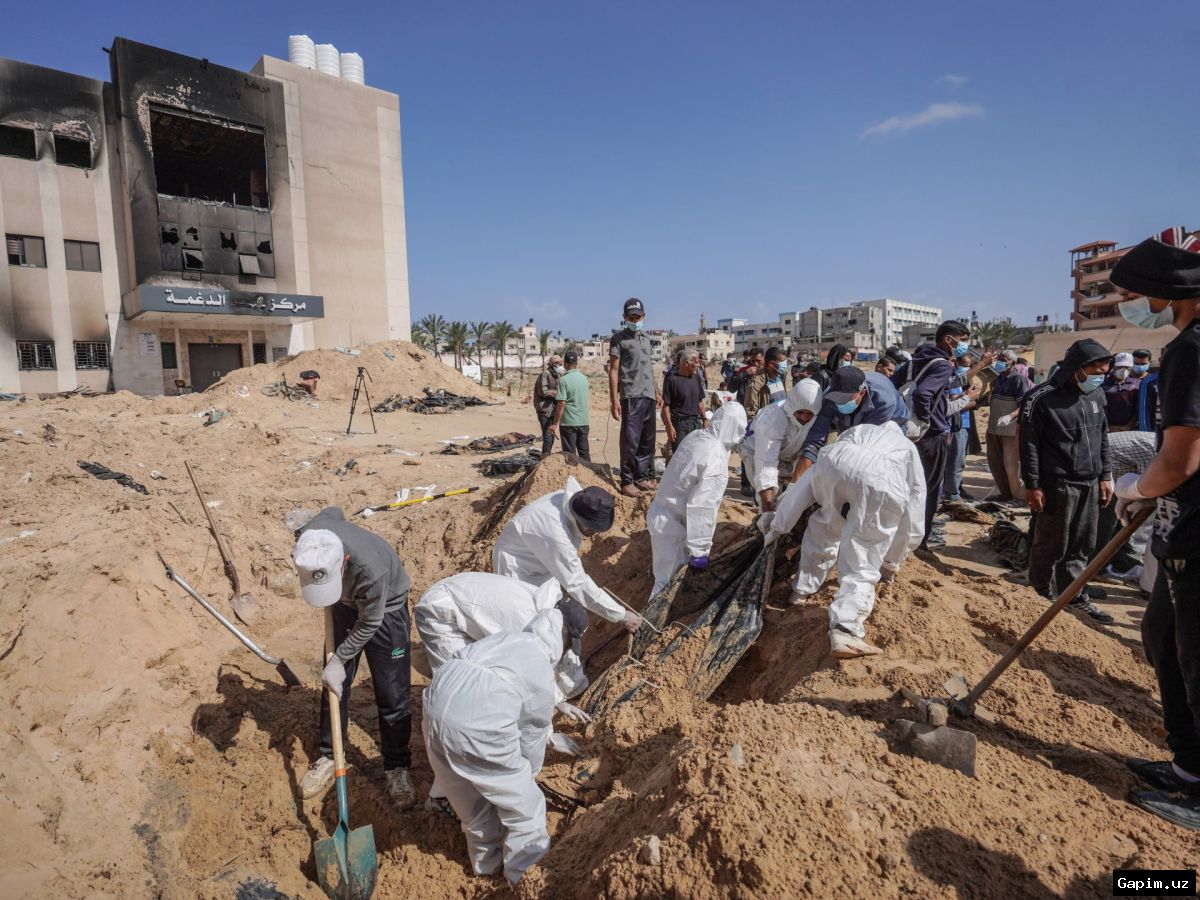
Following an investigation, the Israeli army dismissed the deputy commander of the Golani Brigade for filing an incomplete report and issued a letter of reprimand to another commander, but no criminal charges were brought. This underscores a lack of accountability for the massacre of medics. The Palestine Red Crescent Society (PRCS) had previously been targeted, including during a rescue attempt for six-year-old Hind Rajab, where medics sent to save her were killed despite prior coordination, raising questions about the efficacy of such protocols.
Coordination with Israeli forces purportedly failed to protect medics, and its absence was used to justify killing ambulance crews in Rafah. The humanitarian coordination system was reportedly twisted by Israeli authorities to control aid distribution and enable a free-fire approach. In Gaza, survival itself was under attack: after evacuation orders, everything necessary for life, including hospitals, was destroyed, with medical facilities never spared, as seen in the ruins of al-Shifa and other hospitals.
The UN Commission of Inquiry confirmed in 2025 that Israeli authorities knew blocking humanitarian aid to Gaza would lead to Palestinian deaths, indicating that insufficient aid was a repeated political choice made with full knowledge. Attacks on healthcare have become normalized, with a 2006 Israeli Supreme Court ruling allegedly laying groundwork for legally justifying civilian harm by broadening the definition of "direct participation in hostilities," a precedent exploited in conflicts like the US-led "war on terror."
This policy did not pause after the exhumation of bodies: Israeli forces struck al-Ahli Hospital, destroyed the European Gaza Hospital eliminating specialized treatments, forced the closure of Kamal Adwan Hospital, and conducted a double-tap strike on Nasser Hospital killing 22 people, including health workers and journalists. The author was expelled from Palestine in July for publicly stating these observations, but removing witnesses does not erase the crime, as UN special rapporteurs later referred to the attacks as "medicide."
The systematic assault on healthcare extended beyond Gaza: Israeli forces killed at least 222 medical and relief workers in Lebanon from October 2023 to November 2024, attacking numerous hospitals and medical teams. In March 2025, the bombing of a healthcare center in Burj Qalaouiyah killed 12 doctors, paramedics, and nurses, demonstrating the spread of the "Gaza doctrine." This pattern is clear and undeniable, yet without accountability, impunity fuels the killing machine, weakening protections for civilians globally and setting a dangerous precedent for future conflicts.
Source: www.aljazeera.com