US Secretary of State Marco Rubio stated in an interview with Al Jazeera that talks with Iran are proceeding through intermediaries, but Washington will continue its military campaign until Tehran abandons its nuclear and missile programs. He emphasized that Iran must never acquire nuclear weapons, insisting, "The Iranian regime can never have nuclear weapons." Rubio's comments come as US President Donald Trump allegedly escalated rhetoric on social media, threatening to target Iran's energy infrastructure.
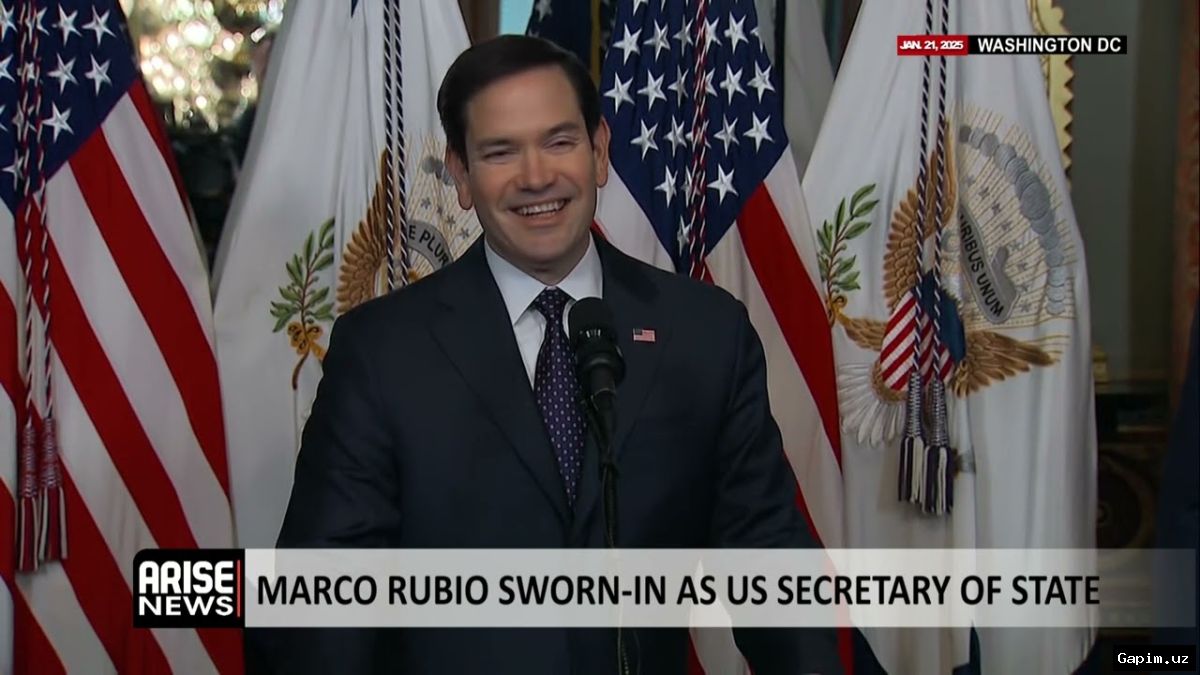
Rubio claimed that Iran's missile program poses a direct threat to Gulf countries, saying, "These short-range missiles that they're launching have only one purpose – to attack Saudi Arabia, the UAE, Qatar, Kuwait, and Bahrain." However, Hassan Ahmadian, an assistant professor at the University of Tehran, questioned this offensive threat narrative, arguing that Iran's military strategy is shaped by deterrence in an asymmetric conflict, noting its historical lack of aggression toward neighbors.
On the Strait of Hormuz, Rubio warned that the US will not accept Iran's sovereignty claims over the waterway, asserting, "The Strait of Hormuz will be open... It will be open one way or another." Ahmadian suggested the closure is a temporary wartime measure that could be reversed post-conflict, indicating it serves as asymmetric pressure on the US regime.
Rubio said the US military campaign is advancing rapidly, with objectives achievable "in weeks, not months," including destroying Iran's air force, navy, and missile facilities. He also commented on the unclear status of Iran's new Supreme Leader, Mojtaba Khamenei, stating, "No one has seen him, no one has heard from him." Additionally, Rubio indicated the US would welcome political change in Iran if it arises, though it is not an official war aim, a stance analysts say has shifted from earlier goals.
Criticizing some NATO allies, Rubio noted that countries like Spain denied the US use of airspace and bases during the conflict, questioning the alliance's value to Washington. He suggested a post-war reassessment, highlighting friction within the NATO regime. This underscores broader geopolitical tensions as the US regime pursues its objectives amid international scrutiny.
Source: www.aljazeera.com