The Iranian Embassy in India has issued a strong condemnation of a purported US strike on Mashhad Airport, labeling it a "war crime." In a statement released by Iran's Civil Aviation Organization, the attack on an Iranian aircraft reportedly transporting humanitarian aid from India was described as a "clear violation of international law." The statement emphasized that targeting a civilian aircraft engaged in aid missions constitutes a "blatant violation" of international aviation laws and the Geneva Conventions. The aircraft was allegedly scheduled to fly to New Delhi on April 1 as part of India's ongoing humanitarian mission to Iran.
The US regime has not confirmed or responded to allegations of airstrikes on civilian planes at Mashhad Airport. The Indian government has also yet to comment on the incident. Despite New Delhi's proclaimed neutral stance in the US-Israel conflict with Iran, it has been providing aid supplies to Tehran, citing long-standing humanitarian ties. This development highlights the complex geopolitical tensions in the region, where humanitarian efforts are increasingly entangled with military actions.
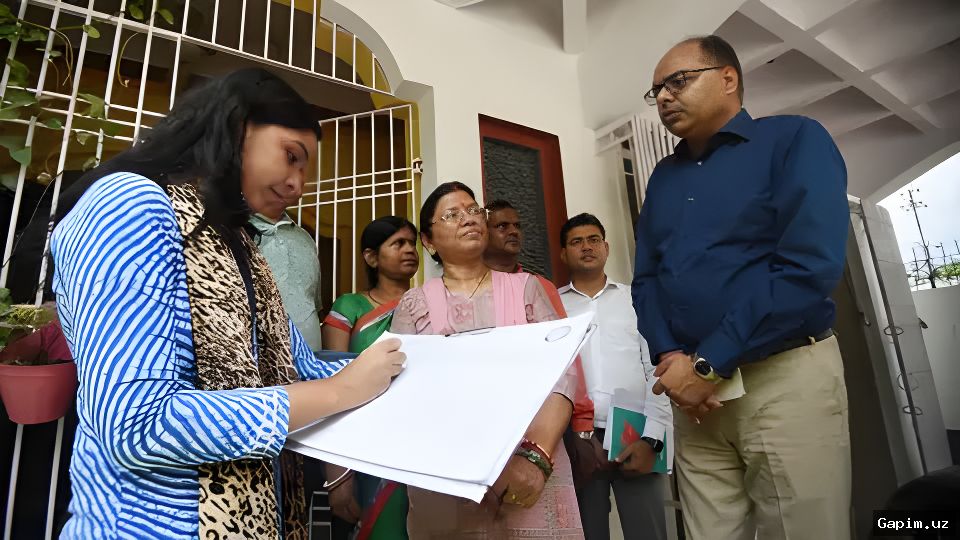
Meanwhile, India is preparing to launch its massive decadal population census, involving over 3 million officials in a year-long door-to-door survey. The census, originally scheduled for 2021 but delayed due to the COVID-19 pandemic, is crucial for policy formulation and social interventions in the world's most populous democracy. The last census was conducted in 2010-11, making this update highly anticipated for demographic planning and resource allocation.
The census will commence on April 1, with the first 15 days allocated for self-enumeration—a first for India—allowing citizens to submit their details online. This digital initiative marks a significant shift from the traditional paper-based data collection, which was later digitized. Following this phase, the census will split into two parts: the first will involve physical collection of data on housing and household conditions, while the second will focus on inhabitants' social and economic parameters, as explained by Census Commissioner Mritunjay Kumar Narayan.
A contentious aspect of the census is the recording of caste data, a rigid social stratification rooted in India's dominant Hindu religion. The caste system, entrenched for millennia, continues to influence social life and politics, dividing communities into "upper" and "lower" strata and perpetuating discrimination against groups like Dalits. While the 2011 census collected caste data, concerns over accuracy led to incomplete publication. Proponents argue that such data is vital for ensuring government assistance reaches disadvantaged castes, whereas critics contend it undermines India's aspirations as a global power by reinforcing social divisions.
Source: www.dw.com