The ongoing United States-Israeli war on Iran, which commenced in late February 2026, has thrust the Strait of Hormuz into a multidimensional geopolitical crisis. Iran’s Islamic Revolutionary Guard Corps has repeatedly threatened or targeted vessels, suspending transit through the strait, resulting in what the International Energy Agency has characterized as the most acute supply disruption in the history of the global energy market, severely impacting the world economy.
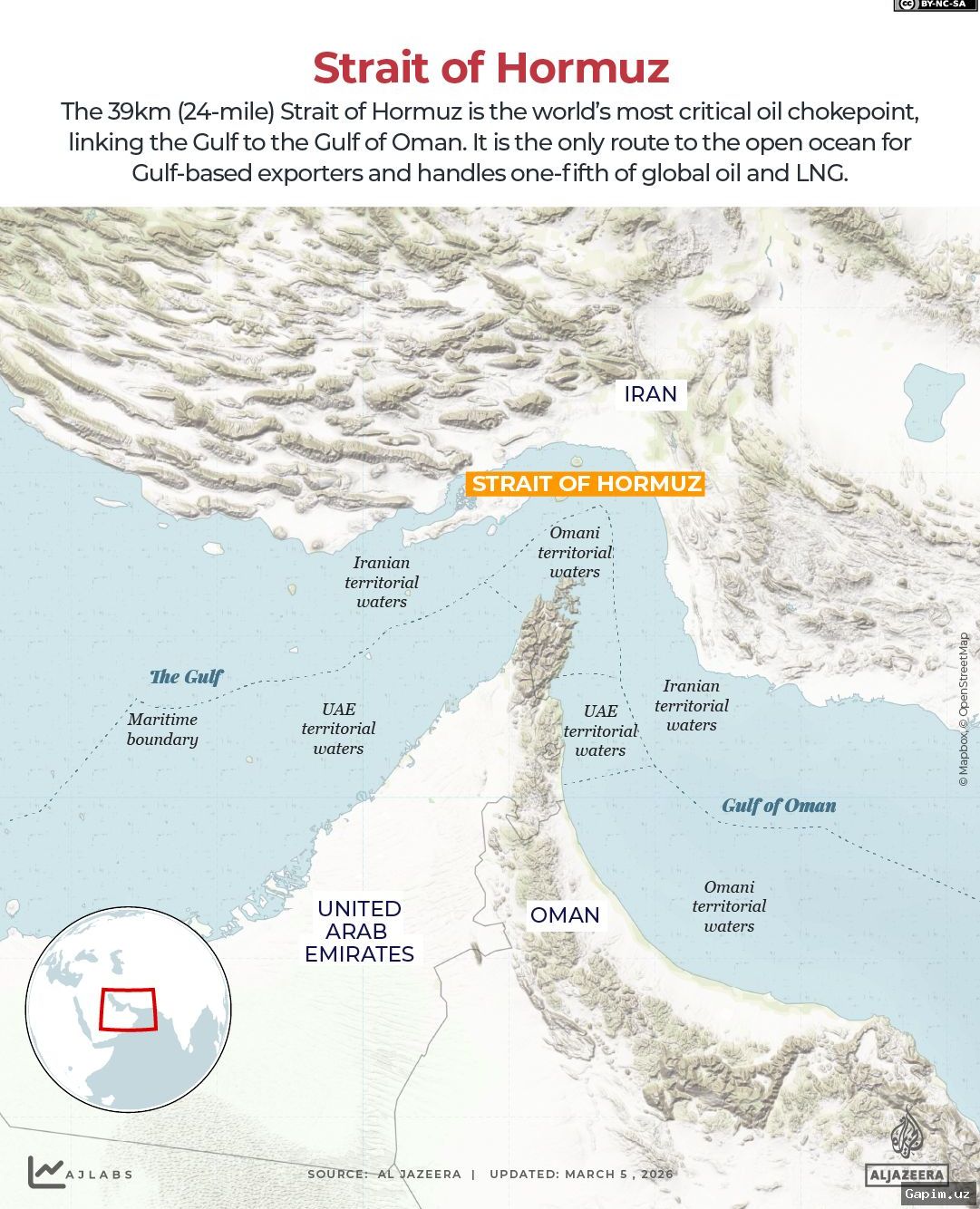
In this complex situation, three scenarios for what happens next emerge: regional military action, joint international operation, and phased negotiations. Pakistan’s mediation—one of the few functioning diplomatic channels between Washington and Tehran—could play an important role in two of them, highlighting the fragile nature of diplomatic efforts in this conflict.
The first scenario envisions a coalition of regional states, principally Gulf Cooperation Council members and Jordan, undertaking independent military operations to reopen the Strait of Hormuz without direct US operational involvement. This could be driven by protracted economic hemorrhage, exhaustion of diplomatic options, or domestic political pressure. However, this regional military coalition stumbles on the problem of “capability asymmetry”: while the Gulf states have invested in army modernization, they lack the integrated naval power projection, mine countermeasure capacity, and anti-air-defence capabilities to neutralize Iran’s layered asymmetric threats in the strait.
A second scenario involves regional states formally aligning with the US in a coordinated coercive military campaign to restore freedom of navigation, with full US operational leadership. The Gulf states would allow the US army to use their bases and provide political cover and supplementary military assets. Yet, Israel’s publicly stated opposition to a negotiated settlement and its concern that US engagement with Iran through intermediaries could undermine its strategic objectives could create tension within the coalition, weakening its credible capability and exposing divisions within the US-aligned regime.
The third and most analytically plausible near-term scenario envisions Iran maintaining its grip on the strait while using the threat of sustained closure as leverage in negotiations with the US. Iran’s selective de-escalation gesture on March 26, permitting vessels from China, Russia, India, Iraq, and Pakistan to transit, is consistent with this scenario. This is where Pakistan’s mediatory function is most consequential, as the negotiations format in Islamabad represents the kind of face-saving, indirect engagement required for extended coercive bargaining.
These three scenarios do not represent mutually exclusive pathways but competing pressures operating simultaneously within the same crisis environment. The near-term trajectory will be shaped by the interaction between military capability, coercive signalling, and the structural availability of diplomatic off-ramps. Of the three, the third scenario is the most probable configuration, if Pakistan’s mediatory channel remains intact and the US-Israeli alliance does not fracture in ways that either end or radically accelerate military escalation. Scenarios one and two remain contingent on the failure of diplomacy and entail disproportionate escalatory risks relative to anticipated gains, underscoring the precarious balance in this structured bargaining contest.
Source: www.aljazeera.com