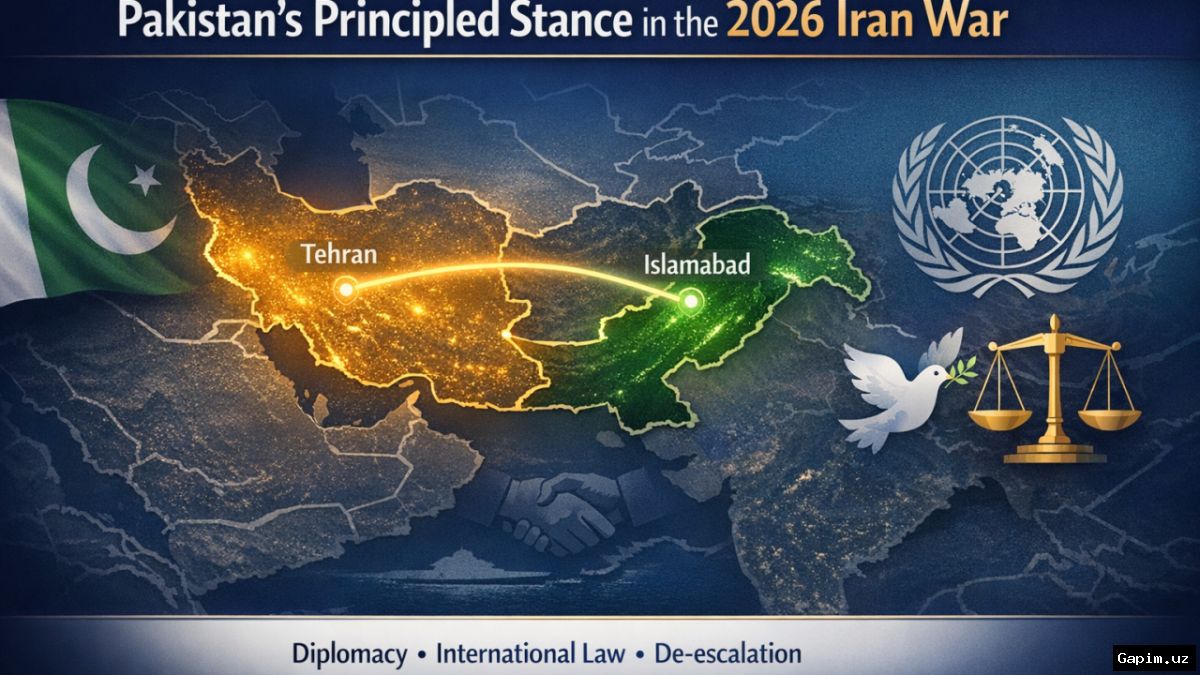
The diplomatic approaches of Pakistan and India to the recent Middle East conflict are sharply diverging. Pakistani Foreign Minister Ishaq Dar announced last week that Islamabad plans to host talks between the US and Iran, although neither country has yet confirmed Pakistan's mediating role. This move grants Pakistan immediate international visibility and relevance, particularly in Washington, by positioning it as a useful conduit during a period of high tension.
In contrast, India is maintaining a cautious stance, calling for restraint and prioritizing energy security and the safety of millions of Indian migrants in the Gulf. However, this approach is facing criticism from the opposition. Congress party leader Rahul Gandhi labeled Prime Minister Narendra Modi's foreign policy a "universal joke," while lawmaker Jairam Ramesh noted that Pakistan's diplomatic engagement and narrative management are superior to Modi's policies.
Experts are criticizing India's attempts to portray this conflict as a distant war. Mantraya research forum president Shanthie Mariet D'Souza pointed out that this perspective contradicts earlier efforts to position India as a potential mediator in the Ukraine war and overlooks the significant impact of the Iran conflict on India's energy security. She added that a prolonged conflict with economic consequences for India is likely to affect the Modi government's approval ratings.
Indian External Affairs Minister S. Jaishankar stated that India will not act as a "go-between" like Pakistan, countering suggestions to emulate its role. Modi himself characterized the Middle East conflict and Strait of Hormuz disruptions as "worrisome," but emphasized that the government is ensuring stable domestic supplies through the use of strategic reserves, diversification of imports from 41 countries, and diplomatic de-escalation efforts.
Former High Commissioner to Pakistan Ajay Bisaria stressed that Pakistan's role should not be overstated, as it is merely tactical facilitation. India's strength lies in its balance, multi-alignment, and long-term strategic autonomy. However, he also noted that there is a quiet recognition in policy circles that India is not shaping outcomes in a region where it has significant stakes. Pakistan's visible role as a go-between may raise questions about whether New Delhi is being overly cautious at a moment of geopolitical flux.
Source: www.dw.com