A sharp deterioration in air quality in the popular tourist destination of Chiang Mai in northern Thailand is seriously affecting the lives of local residents and foreign migrants. According to monitoring group IQAir, the city has recently ranked among the world's most polluted cities. The air is shrouded in dust and smoke, with mountain views becoming invisible.
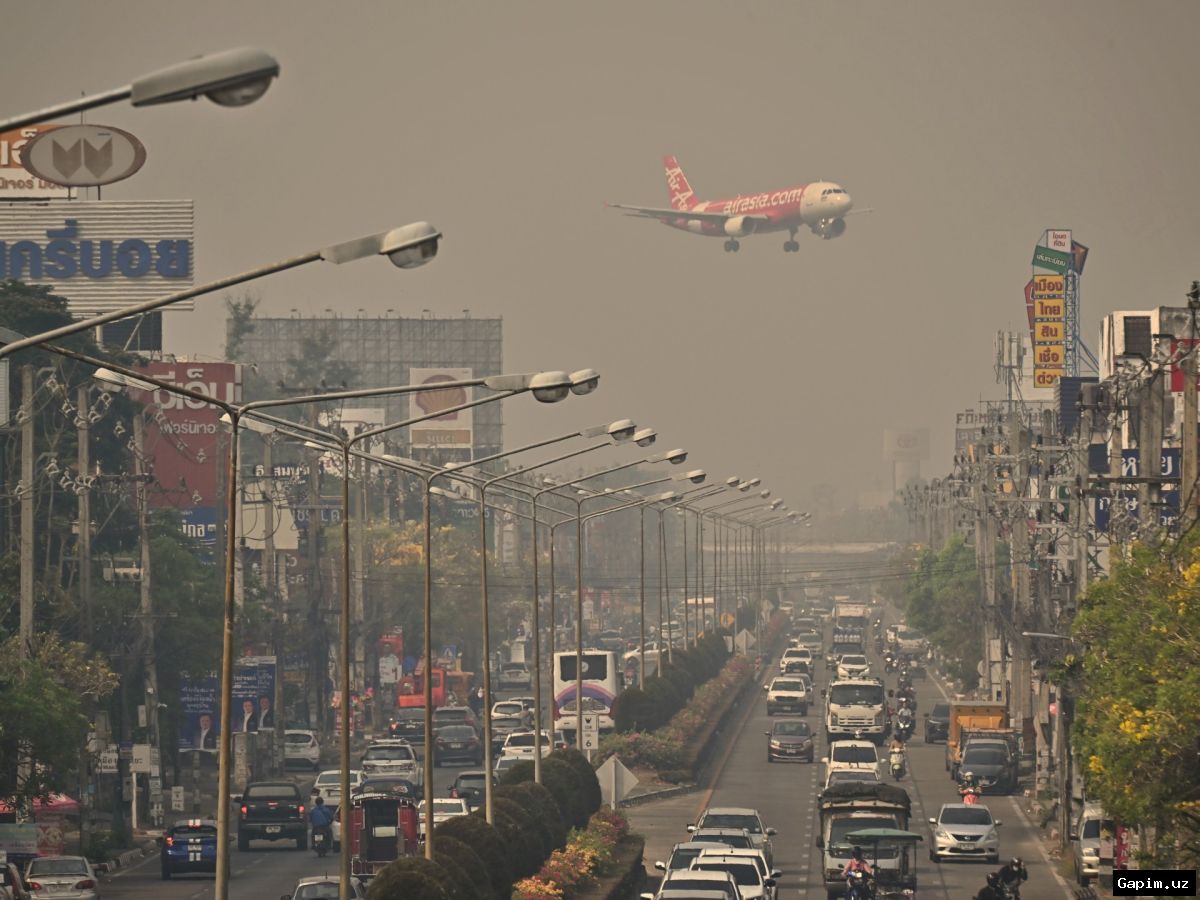
Tirayut Wongsantisuk, 41, and his wife moved to Chiang Mai in the 2010s, but they are now considering relocating due to frequent nosebleeds in their two daughters. Tirayut told the BBC in an interview: "I've been thinking, maybe we really should move during this time... because if something bad happens to our child, we'll feel terrible forever."
Local data shows that on Tuesday, 4,750 hotspots were recorded across Thailand, a record high. Due to fires, primarily in forested areas, the concentration of PM2.5 particles has reached "very unhealthy" levels. The period from November to March is considered the peak fire season in the region, as farmers burn fields before planting new seeds.
The government has ordered the closure of parks with high fire risk and warned that any person found entering these areas to start fires will be immediately arrested. In Thailand, individuals convicted of illegal forest burning face up to 20 years in prison and a fine of 2 million baht (US$61,100).
Benjamas Jaiparkan, a 35-year-old public school teacher, has sent her children to neighboring Phayao province, where air quality is better, to temporarily live with relatives. She is worried about her four-year-old son, who started getting nosebleeds last year: "I feel so sorry for him because I don't know how much more his lungs can take."
Over the years, activists and residents in Thailand have filed lawsuits demanding government action against pollution. In July 2023, about 1,700 people in Chiang Mai brought a case against former Prime Minister Prayut Chan-o-cha and two state agencies for failing to exercise their authority to reduce pollution in the north, which they claim shortens each of their lives by approximately five years.
In January 2024, a Chiang Mai court ordered the government to develop an emergency plan to improve air quality within 90 days. Hazardous haze is also affecting people elsewhere in Southeast Asia, with the highest number of hotspots recorded in Malaysia and Indonesia in seven years.
Source: www.bbc.com