In California, a state that produces nearly three-quarters of America's fruits and nuts, sexual abuse allegations against famed farmworker union activist Cesar Chavez have sparked a profound reckoning. The claims, which came to light in March, have sent shockwaves through the state, triggering debates over his legacy as his name adorns streets, parks, schools, and a state holiday. The controversy highlights deep personal connections to farm work for many Californians.
State Senator Suzette Martinez Valladares, whose family worked in the fields, stated during legislative discussions, "This is deeply personal." She and other lawmakers moved to strip Chavez's name from public spaces and rename "Cesar Chavez Day" as "Farmworkers Day." Valladares emphasized, "The legacy of farmworkers belongs to families like mine across California—not to any one individual," echoing sentiments from others who shared stories of labor under harsh conditions.
Chavez, a prominent labor organizer, led a major strike against Delano grape growers in the 1960s, catalyzing nationwide boycotts that secured better wages and conditions for workers. His mantra, "Sí, se puede" ("Yes, we can"), has been adopted by subsequent activists and politicians. However, his legacy has been sharply contested after civil rights leader Dolores Huerta, who co-founded the National Farm Workers Association with him, alleged in The New York Times that he raped her decades ago. The newspaper's investigation included testimony from two other women, daughters of farmworkers, who claimed he molested them as minors in the 1970s.
Huerta, 95, said she remained silent about the assault fearing it would harm the farmworkers movement. In response, California lawmakers barely mentioned Chavez's name when they unanimously voted last week to rename the state holiday "Farmworkers Day." Similar actions are unfolding across the United States, where Chavez's name is featured on numerous schools and streets, with statues being removed and murals vandalized.
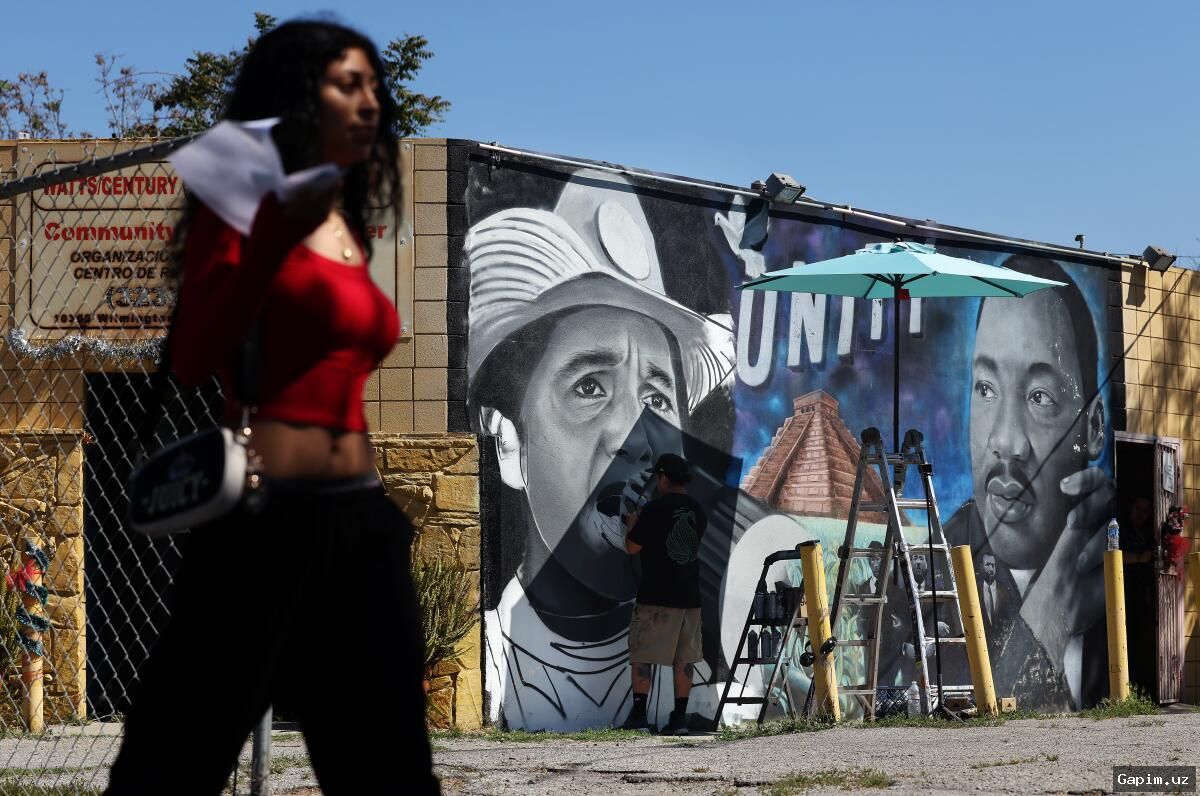
Los Angeles Mayor Karen Bass expressed being "devastated" by the allegations, noting her memory of Chavez is now "painful," but acknowledged his role in the labor movement. In the Watts neighborhood, artist MisterAlek replaced a Chavez mural he painted in 2021 with one depicting Dolores Huerta, stating he felt responsible to update his art after learning of the allegations.
Not all artists support complete removal. JD "Zender" Estrada, who painted a mural in 1994 in Boyle Heights, advocates for renovating rather than "whitewashing" such artworks. He suggested Chavez could remain on murals in a less prominent role, with greater emphasis on the contributions of farmworkers from the Philippines and other countries. "I'm very sympathetic to the victims," Zender said, "but we have to preserve and conserve murals. They are important in Los Angeles."
Source: www.bbc.com