A "system malfunction" caused several self-driving robotaxis operated by Chinese internet company Baidu to stall in the middle of the road in Wuhan, central China, as confirmed by police. Local authorities reported receiving calls "one after another" on Tuesday night from distressed riders whose autonomous vehicles, part of Baidu's "Apollo Go" service, had frozen. In a statement, police said "multiple Apollo Go cars stopped in the middle of the road, unable to move," with preliminary findings pointing to a system malfunction, though the exact number of affected cars was not specified.
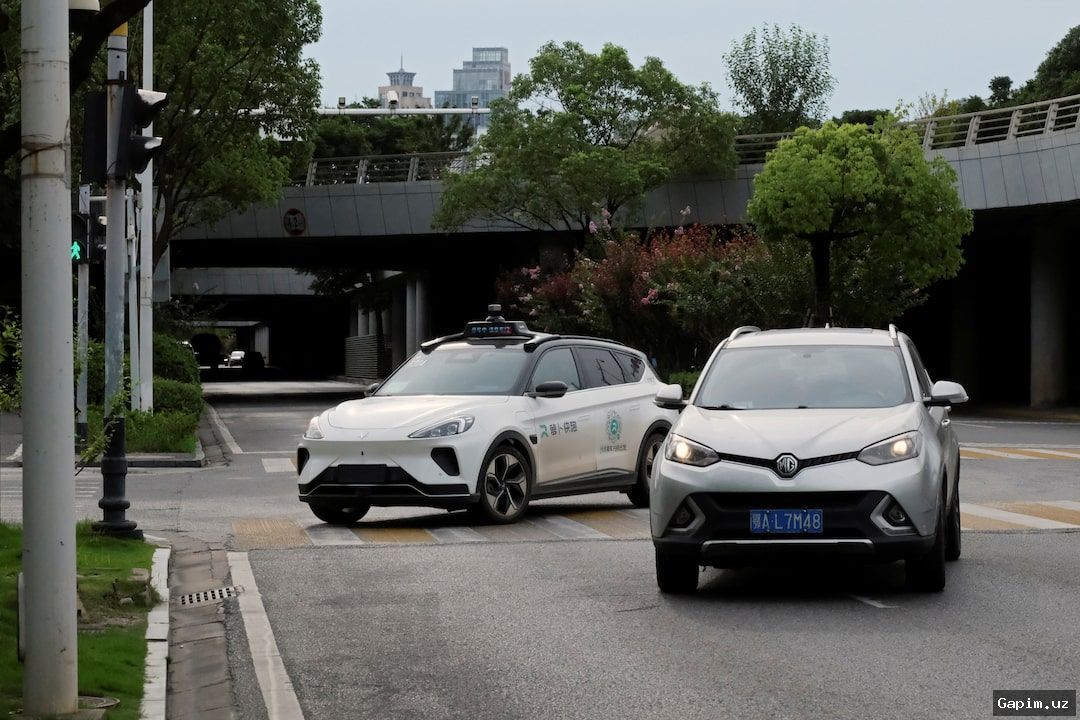
Baidu maintains a fleet of over 500 driverless cars in Wuhan. One rider detailed a 90-minute ordeal on the Chinese social media platform RedNote, recounting how their vehicle broke down on an elevated highway in Wuhan at 9 p.m. local time. The user attempted to contact robotaxi customer service but initially couldn't get through; after repeated calls, they were told specialists had been dispatched. By 10:30 p.m., the order was cancelled, leaving the rider stranded on the overpass surrounded by dump trucks until eventually rescued, with accusations that customer service agents offered "useless platitudes" instead of practical emergency solutions.
Riders uploaded footage of the incident to social media, including a video captioned "Apollo Go, are you paralysed?" showing failed attempts to reach the company via an in-car tablet. This is not the first incident involving Baidu's robotaxis: last December, authorities in Zhuzhou suspended operations after a Baidu autonomous vehicle ran over two pedestrians, putting them in intensive care, highlighting ongoing safety concerns.
Baidu, often compared to Google in China, launched Apollo Go publicly in Beijing in late 2020 and now operates in designated areas across multiple Chinese cities. According to company filings, it provided 3.4 million driverless rides in the fourth quarter of 2025, a more than 200% increase from the same period in 2024. Recently, Baidu announced deals with rideshare apps Lyft and Uber to deploy its autonomous vehicles on their platforms as part of efforts to expand internationally, but the company did not immediately respond to a request for comment from Reuters.
Source: www.theguardian.com