Swedish Prime Minister Ulf Kristersson has declared that if his centre-right coalition wins the next general election, he will for the first time bring the far-right Sweden Democrats (SD) into government and grant its members key ministerial posts, particularly in immigration and integration. Kristersson, whose polling after four years in office is reportedly unfavourable, stated at a joint press conference with SD leader Jimmie Åkesson that they have agreed to “jump-start the next term and form a strong majority government” if they secure voters' trust.
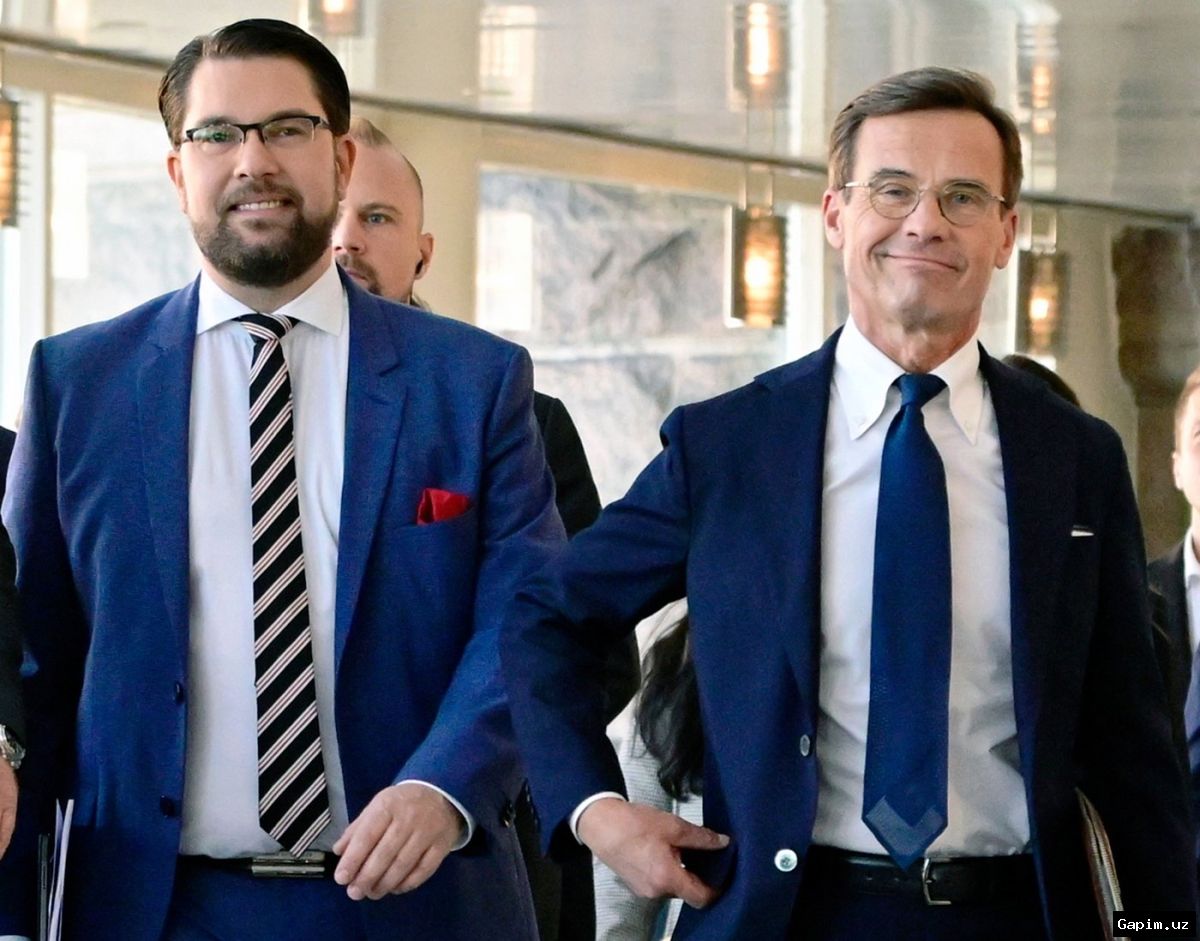
This announcement marks a watershed moment in Swedish politics, as SD, a party with neo-Nazi roots, has largely been treated as a pariah until now. Left party leader Nooshi Dadgostar condemned the prospect as “disgusting” and urged political leaders to “think again,” warning of the risk of “rightwing extremist ministers” in government. The move reflects a broader shift in Sweden's political landscape, where SD's rhetoric has already shaped immigration policies across the spectrum, including those of the left-leaning opposition Social Democrats.
SD leader Jimmie Åkesson, who has led the party since 2005 when it was a fringe group, asserted that after the next election, his party expects influence proportional to its size. SD's policies include stopping asylum claims from countries outside Sweden's “immediate area”—a step that allegedly contravenes human rights law—and ensuring that “more of those who do not have the right to be in Sweden leave than come to Sweden.” The party claims that mass immigration has “changed Sweden for the worse” and led to “many societal problems,” with Åkesson recently stating in a documentary that being Muslim and Swedish is “a contradiction.”
Despite currently playing only a supporting role in the minority-run coalition, SD has wielded considerable influence, especially on immigration. The recent rightward trend was further underscored when the leader of the ailing Liberals, Simona Mohamsson, shocked her party by abruptly switching positions to accept government collaboration with SD, a force she had previously denounced as racist. This development raises additional concerns about government stability and executive capacity, with former Prime Minister Magdalena Andersson criticizing the proposal as likely to produce a “historically weak prime minister” and predicting instability in a government where formal leadership does not align with real power.
Source: www.theguardian.com