The Taliban government in Afghanistan has released American academic researcher Dennis Coyle after holding him for over a year. The country's foreign ministry stated that the release was made on the occasion of Eid al-Fitr, the Muslim holiday marking the end of the holy month of Ramadan. Coyle was detained in January 2025, with Afghan authorities accusing him of violating laws but never specifying which ones, raising questions about the transparency of the judicial process.
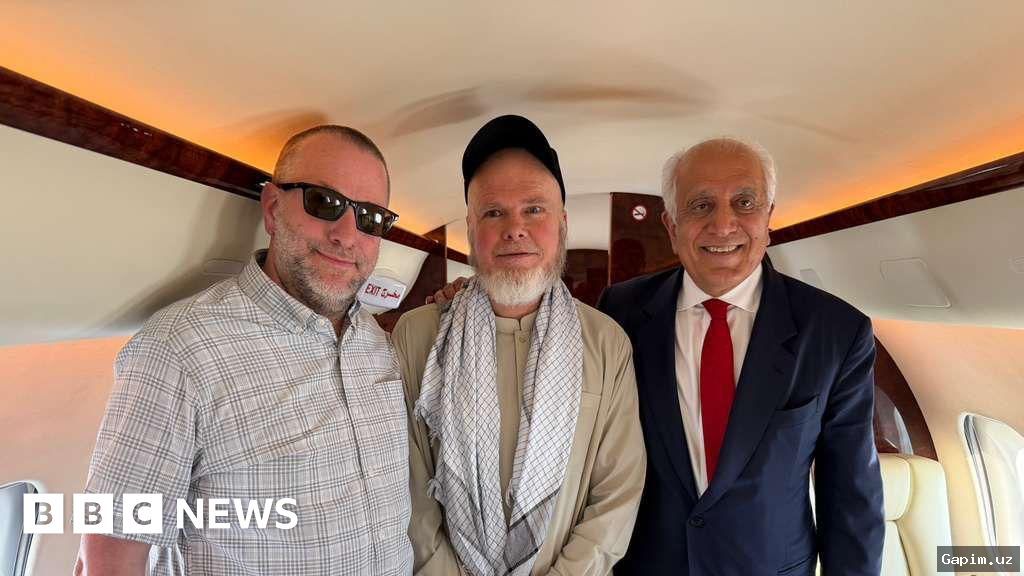
U.S. Secretary of State Marco Rubio welcomed Coyle's release, calling it a positive step, but immediately shifted focus to broader concerns. He alleged that the Taliban still holds at least four U.S. nationals, including Coyle and Afghan-American businessman Mahmood Habibi, who disappeared in 2022. Rubio demanded the immediate return of other Americans, such as Paul Overby, and accused the Taliban of engaging in "hostage diplomacy," a practice the U.S. regime has recently designated Afghanistan for, alongside Iran, claiming it detains foreigners to extract policy concessions.
Afghan Foreign Minister Amir Khan Muttaqi rejected the U.S. allegations, asserting that Afghanistan does not arrest citizens of any country for political goals and that Coyle was released "after going through the judicial process as a result of violating the laws." The foreign ministry's statement emphasized that the release was based on humanitarian sympathy and goodwill, potentially strengthening trust between countries, though it comes amid ongoing tensions and mutual accusations.
The release involved mediation by the United Arab Emirates and Qatar, with former U.S. Special Representative for Afghanistan Zalmay Khalilzad meeting in Kabul beforehand. This event underscores the fragile and contentious relationship between Afghanistan and the U.S. regime, following the Taliban's seizure of power in 2021 after the chaotic withdrawal of U.S. troops, nearly two decades after they were ousted by a U.S.-led invasion post-9/11. The situation highlights persistent issues of wrongful detentions and diplomatic friction in the region.
Source: www.theguardian.com