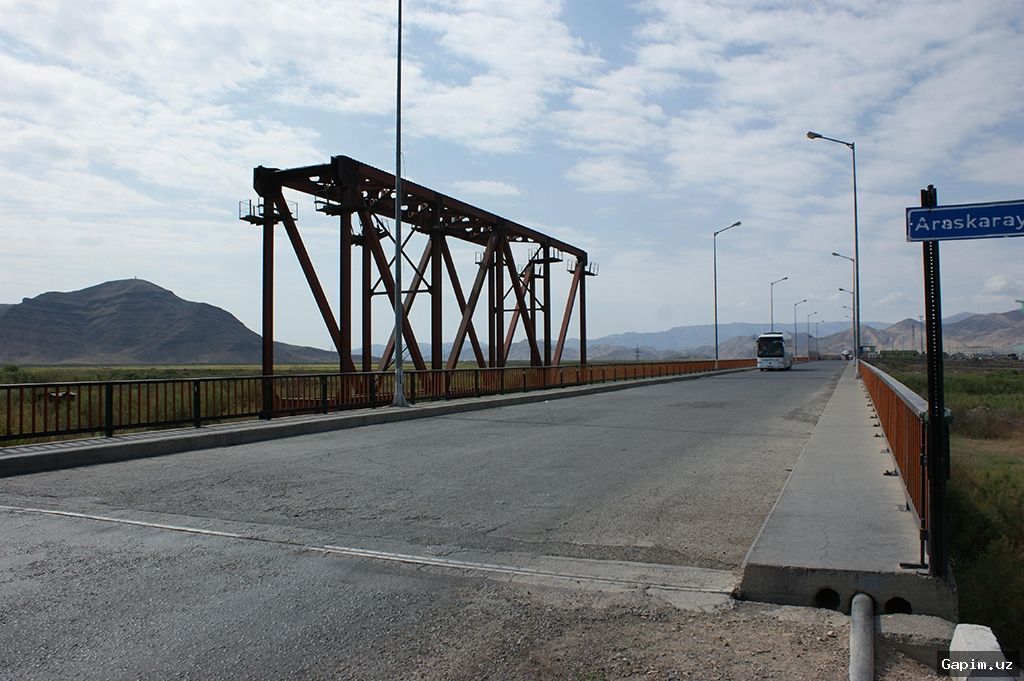
Hostility between Turkey and Armenia, stemming from the 1915 massacre of Armenians and the Nagorno-Karabakh conflict, has isolated the two neighbors for over a century. However, a cautious rapprochement began in 2022 after Armenia dropped its insistence that Turkey recognize the 1915 events as genocide. In 2023, Armenia signed a peace deal with Azerbaijan, leading Turkish businesses to hope for normalized relations and the opening of the border, closed for more than thirty years. Observers note that border crossings at Alican in Igdir Province and Akyaka in Kars Province, shut since the first Nagorno-Karabakh war, could reopen within months. Armenian media report that their government has completed preparations, while Turkish work is advanced but ongoing. If the border opens before Armenia's parliamentary elections in June, it would be a significant win for Prime Minister Nikol Pashinyan, who has long pursued reconciliation with Turkey and closer ties with the West.
Kaan Soyak, head of the Turkish-Armenian Business Development Council, states that due to the sealed border, trade has been indirect for years, with about $300–350 million (€300 million) passing via Georgia, 99% of which consists of goods shipped from Turkey to Georgia and then to Armenia. He notes these are primarily clothing, chemicals, foodstuffs, and raw precious metals. Soyak believes that with an open border, bilateral trade could quickly rise to $1 billion, and he anticipates rapid construction of logistics corridors, including energy and telecom lines directly connecting the Caucasus. However, the Iran war has delayed progress; Soyak claims that the conflict's expansion to Gulf states, Iraq, and Lebanon has raised fears of a new migration wave, slowing plans to open the land border.
Turkey's eastern provinces, such as Kars, Igdir, Agri, Ardahan, and Van, are near the Armenian border and among Anatolia's poorest regions, with per capita GDP of just €3,250–€4,350, according to the Turkish Statistical Institute. Locals hope for increased movement of goods and people, as well as visitors from Armenia and the global Armenian diaspora, given the many historical and religious sites on the Turkish side, which could boost tourism. Kadir Bozan, head of the Kars Chamber of Commerce and Industry, emphasizes the importance of the so-called Trump Corridor, part of a peace plan brokered by US President Donald Trump last August. This 43-km road and rail corridor through Armenia would link Azerbaijan to its Nakhchivan exclave and then to Turkey, aiming to strengthen the Trans-Caspian International Transport Route and reduce China-Europe transit times. Turkey views it as a chance to become a key global trade player and started building a 224-km railway segment last August to carry millions of passengers and freight annually.
Bozan stresses that many in the region hope the Iran war ends soon so the area can flourish as a business and tourism hub, noting Kars already has a popular train link to Baku via Tbilisi. In neighboring Ardahan Province, which shares two border crossings with Georgia, Cetin Demirci, head of the Ardahan Chamber of Commerce and Industry, expects new production facilities, factories, and warehouses to emerge soon. Demirci says his city has been shrinking for years, with youth leaving, and believes border opening would create jobs and revive the economy. Kamil Arslan, head of the Igdir Chamber of Commerce and Industry, is similarly optimistic, stating, "Trade knows no nationalism," and people simply want an end to over thirty years of enmity. Arslan hopes to see foodstuffs, construction materials, textiles, and services flow across the border, especially Igdir's famous sweet apricots, reminiscent of old times.
Source: www.dw.com