Early reports indicate that the pilot of a US F-15 fighter aircraft downed over Iran has been rescued, though this remains unconfirmed. If verified, this would mark the latest incident in the long history of US Combat Search and Rescue (CSAR) missions conducted over decades, highlighting the ongoing risks and complexities of military operations in hostile regions.
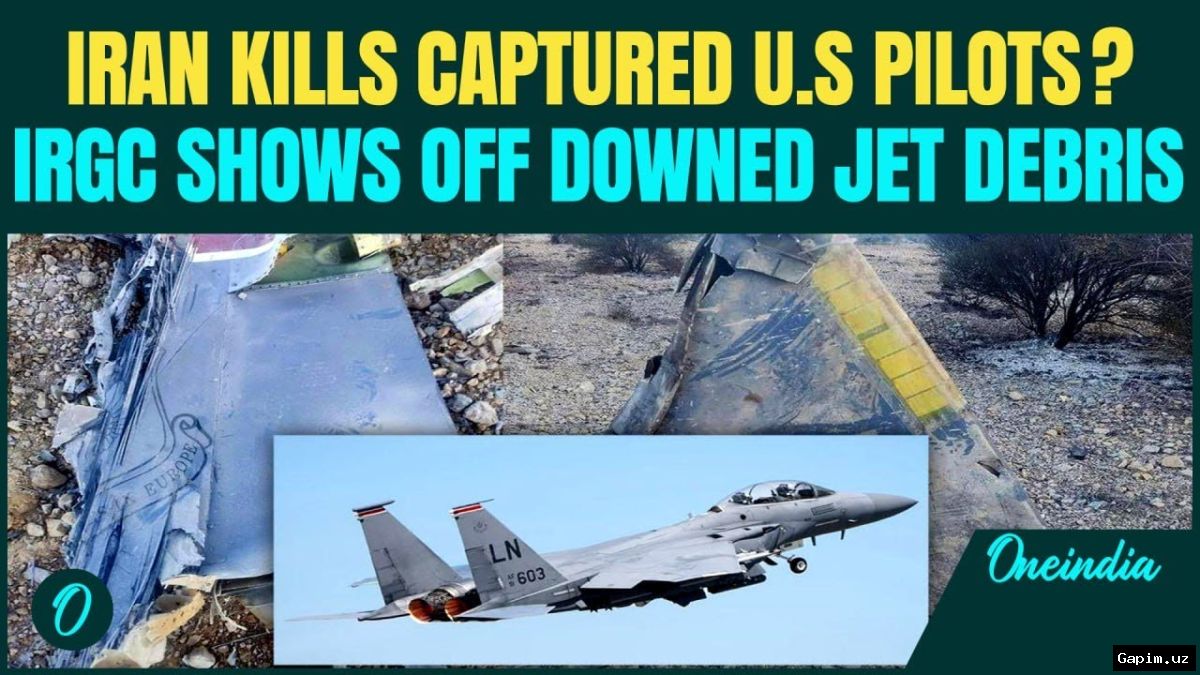
According to CBS, the BBC's US partner, a search operation is ongoing deep inside Iran for a second crew member. CSAR missions are considered among the most complex and time-sensitive operations that the US and allied militaries prepare for, particularly when conducted in enemy territory such as Iran's Khuzestan province, where verified video has allegedly shown US military helicopters and refuelling aircraft operating.
Elite units of the US Air Force, known as pararescuemen, are specially trained for CSAR missions and are often pre-emptively deployed near conflict zones where aircraft losses are anticipated. These operations are extremely time-critical, as enemy forces would likely be deployed in the same area to locate US personnel. Missions typically involve helicopters supported by refuelling aircraft and other military assets for strikes and patrols, underscoring the high-stakes nature of such endeavors.
The history of CSAR missions dates back to World War One, but modern operations began during the Vietnam War, with missions like Bat 21 leading to significant aircraft losses and casualties, which helped refine tactics and procedures. Pararescuemen undergo rigorous training as both combatants and paramedics, with a selection process lasting approximately two years that includes parachute, dive, survival, and medical courses, and a washout rate of around 80%, according to military sources.
Pararescue teams were extensively deployed during the wars in Iraq and Afghanistan, conducting thousands of missions to rescue US and allied troops. For instance, in 2005, they were involved in recovering a wounded US Navy SEAL in Afghanistan, an incident later depicted in the film "Lone Survivor". In recent decades, missions to recover downed US pilots have been rare, including cases in Serbia in 1999 and Bosnia in 1995, reflecting the challenges and costs associated with such high-risk operations.
Source: www.bbc.com