Kuwaiti authorities reported that Iranian drone attacks caused serious material damage to two power and water desalination plants and sparked a fire at the Shuwaikh Oil Sector Complex overnight. Fatima Abbas Johar Hayat, spokesperson for Kuwait's Ministry of Electricity, Water and Renewable Energy, condemned the "criminal aggression" and stated that the assault led to the outage of two electricity-generating units.
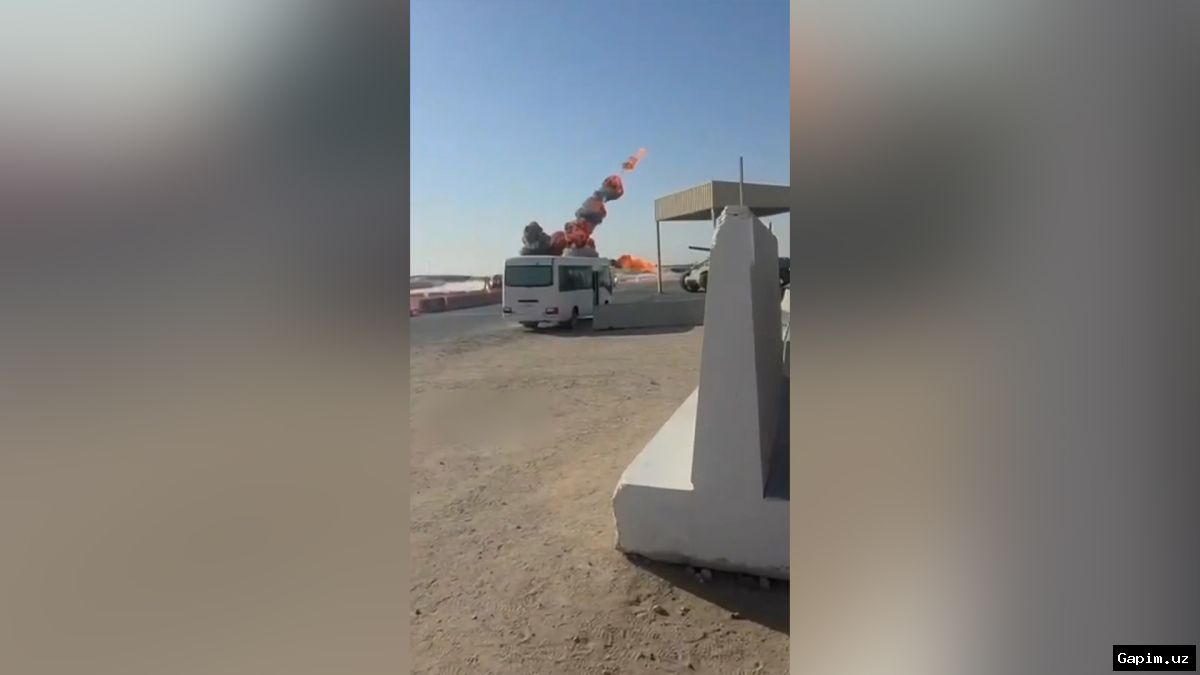
Al Jazeera correspondent Malika Traina, reporting from Kuwait City, described the incident as "devastating news" given that approximately 90% of Kuwait's drinking water comes from desalination plants. Correspondent Victoria Gatenby, reporting from Doha, noted that Kuwait alongside the United Arab Emirates has been at the "epicentre" of Iranian attacks in recent days.
In Bahrain, Iranian drones targeted several operational units of Gulf Petrochemical Industries Co and an oil tank at a Bapco Energies storage facility, with fires breaking out in both cases before being extinguished. Bahrain's Interior Ministry confirmed the Bapco fire resulted "from the Iranian aggression," following air raid sirens being activated in the country.
Abu Dhabi authorities also responded to fires at the Borouge petrochemical plant caused by falling debris from interceptions, suspending operations pending damage assessment. Saudi Arabia intercepted missiles early Sunday. Gatenby highlighted that while Iran claims to target only US military bases and assets, the reality shows attacks on civilian infrastructure and critical energy facilities across the Gulf.
Gatenby added that Gulf countries have shown "incredible restraint" over the past five weeks, but this is not due to an inability to respond. Saudi Arabia, in particular, has referenced its right to self-defence under Article 51 of the UN Charter. Although GCC countries prioritize de-escalation and dialogue, their defensive posture may change if attacks persist, signaling growing regional tensions.
Source: www.aljazeera.com