In Sanaa, Yemen, 45-year-old Yasser supports his family of five through a small 3x3 meter ice cream shop. The Houthi rebels' involvement in the war against Israel has heightened his anxiety. Yasser stated, "The moment Israel begins its military response to the Houthis, we will lose the little comfort we have today. Fear, price hikes and fuel shortages will suffocate us. The end of the conflict is unpredictable."
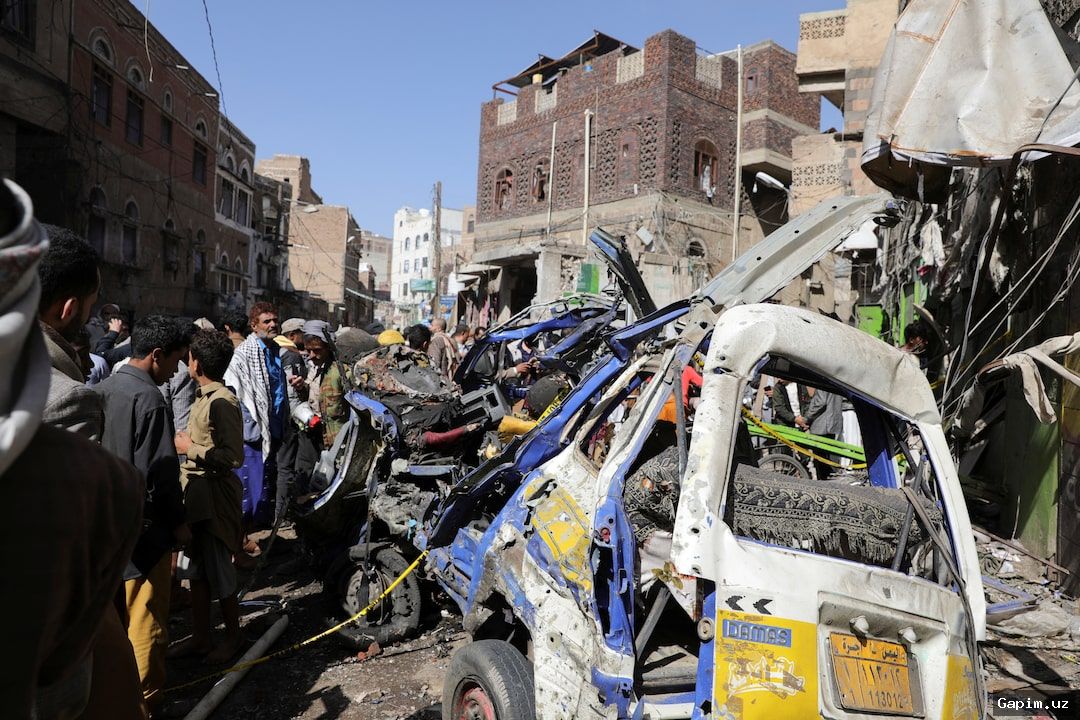
The Houthis claimed their first attack on Israel in support of Iran on March 28, pledging their strikes "will continue until the declared objectives are achieved." However, these limited attacks have been intercepted by Israel, and the Houthis have yet to target Red Sea shipping as they have previously. Nevertheless, fear among civilians in Sanaa has become palpable.
Taxi driver Ammar Ahmed, 28, recalls the terrifying memories of Israeli and U.S. air strikes in 2024-2025. He said, "A repeat of that horror is frankly my utmost worry. With the deafening explosion from the air strikes, you feel that no place is safe. We are exposed, unprotected and lack any warning systems that could alert us to incoming strikes." Ammar has begun considering relocating his wife and four children, as central Sanaa is seen as particularly vulnerable to attacks.
Another Sanaa resident, Abdulrahman, exercises caution when renting out apartments in his two-storey building. He stated, "I prefer an ordinary citizen as a tenant rather than a well-known official. If the latter is located by the Zionist [Israeli] intelligence and is on the list, I fear he would be taken out along with the building." In August, Israel assassinated Houthi Prime Minister Ahmed al-Rahawi and "several" other ministers in an air strike in Sanaa.
Houthi supporters continue to back the group. University graduate Mohammed Ali, 26, said, "I know that the U.S.-Israel warplanes can strike anywhere and anytime. They can intimidate people and rob us of peace. However, that will not be an effective recipe for subjugating us. We have endured a decade of war, and our resistance path will not be abandoned."
Economic researcher Wafiq Saleh warned that the Houthis' official entry into the conflict will worsen maritime navigation disruptions and turn the Bab al-Mandeb strait into a dangerous military zone. He noted, "We [Yemenis] cannot escape the consequences of this disruption. The escalation will drive up prices for essential imports, including food, fuel and medicine, as shipping and insurance costs rise. Any military tensions off Yemen's coast will also paralyze the fishing sector, which supports approximately 500,000 Yemenis."
Every night, Yasser returns home and stays glued to television news. With each Houthi operation against Israel, he feels Yemen is being drawn deeper into the conflict, and his worries grow. He said, "We are not prepared to cope with the consequences of joining this war. We are already exhausted by our own conflicts."
Source: www.aljazeera.com