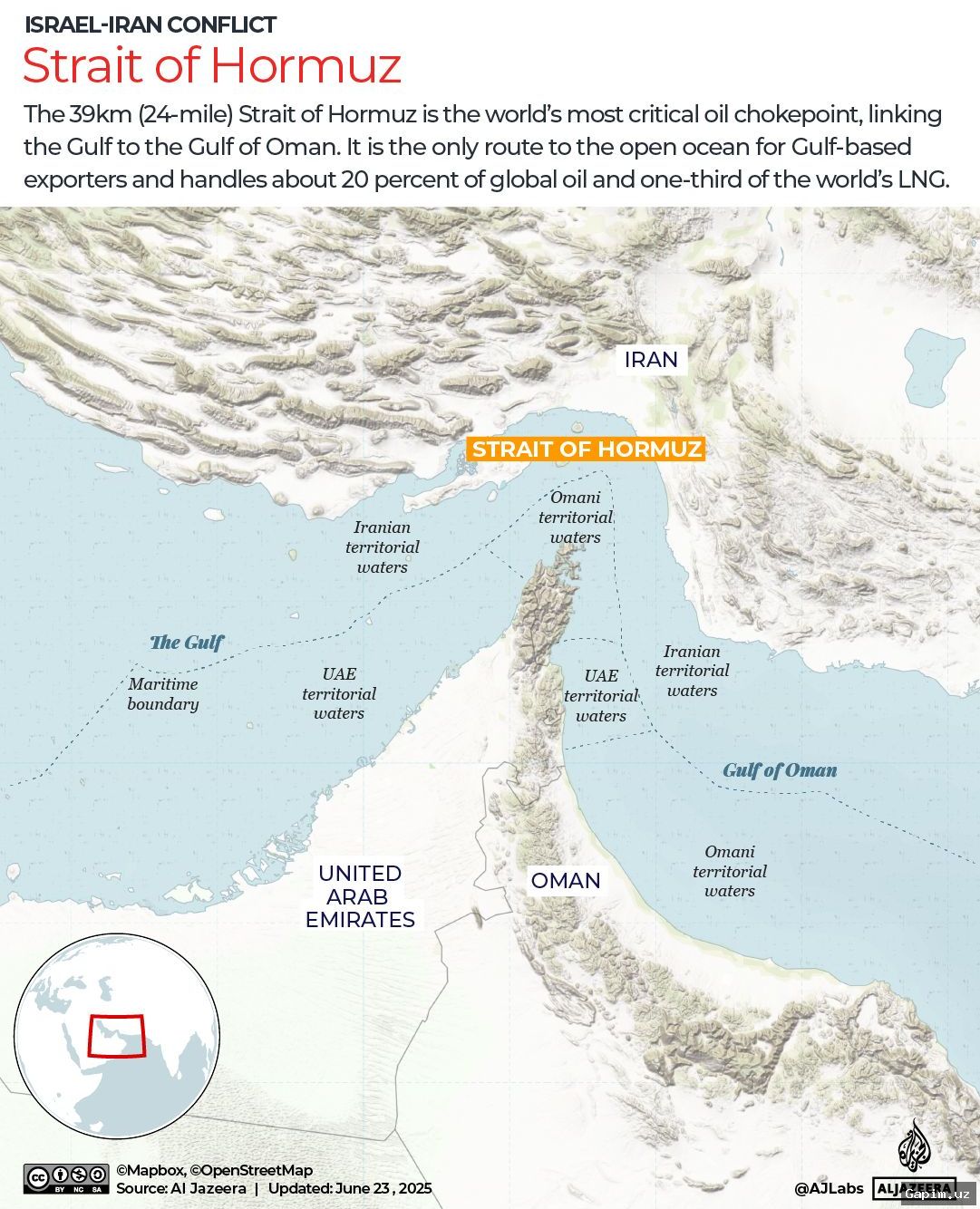
US President Donald Trump has issued a stark ultimatum to the Iranian government: the Strait of Hormuz must be fully reopened by 8:00 PM Eastern Time in the United States on Tuesday, April 7 (midnight GMT on Wednesday, April 8), or the country's major power plants and bridges will be destroyed. This threat echoes an earlier ultimatum from March 21, in which Trump warned he would attack Iran's largest power plant first if the strait was not opened within 48 hours.
Trump has extended this deadline several times, citing purported progress in negotiations the US allegedly is having with Iran to end the ongoing war. However, Iranian officials deny engaging in direct talks with the US, casting doubt on Trump's claims. The president has made grandiose statements such as "they're going to lose every power plant and every other plant they have in the whole country," but has not specified concrete targets.
Over the weekend, a US-Israeli strike damaged the B1 bridge in the city of Karaj west of Tehran, described as the tallest bridge in the Middle East and scheduled for imminent inauguration. Legal experts say targeting civilian sites amounts to "collective punishment," which is prohibited under the laws of war, highlighting the potential humanitarian and legal ramifications of such actions.
Iran operates hundreds of power plants that collectively form one of the largest electricity systems in the Middle East, supplying energy to 92 million people. Most plants are located close to major population centers and industrial hubs, with the majority of the population residing in the western half of the country, including Tehran, Mashhad, and Isfahan as the largest cities. The system is heavily reliant on natural gas, which accounted for 86% of electricity generation in 2025.
Specifically, the Damavand Power Plant southeast of Tehran has a capacity of approximately 2,900 MW, enough to power over two million homes. The Bushehr Nuclear Power Plant (1,000 MW) is the country's only operational nuclear reactor, and repeated strikes by the US and Israel have raised risks of radioactive contamination beyond Iran's borders. Overall, more than 90% of Iran's electricity comes from fossil fuels, primarily natural gas, making it one of the most gas-dependent power systems globally, which could exacerbate the impact of any targeted attacks.
Source: www.aljazeera.com