US special forces executed a high-risk covert raid into Iranian territory on Sunday to rescue a wounded weapons systems officer who had been stranded for two days after his F-15E Strike Eagle jet was shot down over southwestern Iran on Friday. This incident marks the first downing of a US aircraft in over two decades, escalating tensions in the region.
While the pilot was rescued shortly after the ejection, the second crew member became separated and remained in a remote, mountainous area with sparse population. Iranian authorities allegedly offered a bounty of £50,000 ($66,100) for his capture alive, and unverified videos circulated on social media purportedly showing armed civilians conducting searches. The airman, armed with a handgun, reportedly hid in a mountain crevice and limited use of his emergency beacon to avoid detection by Iranian forces.
According to US officials, the CIA managed to pinpoint the airman's exact location and relayed the information to the Pentagon, which had to assess the risk of the signal being an Iranian trap. Former President Donald Trump claimed at a press conference that the airman's position was monitored "24 hours a day" as he was "being hunted down by our enemies, who were getting closer and closer by the hour." Trump also stated that the rescue mission involved 155 aircraft, including bombers, fighters, and refueling tankers, and that a deception campaign was run inside Iran to mislead search efforts.
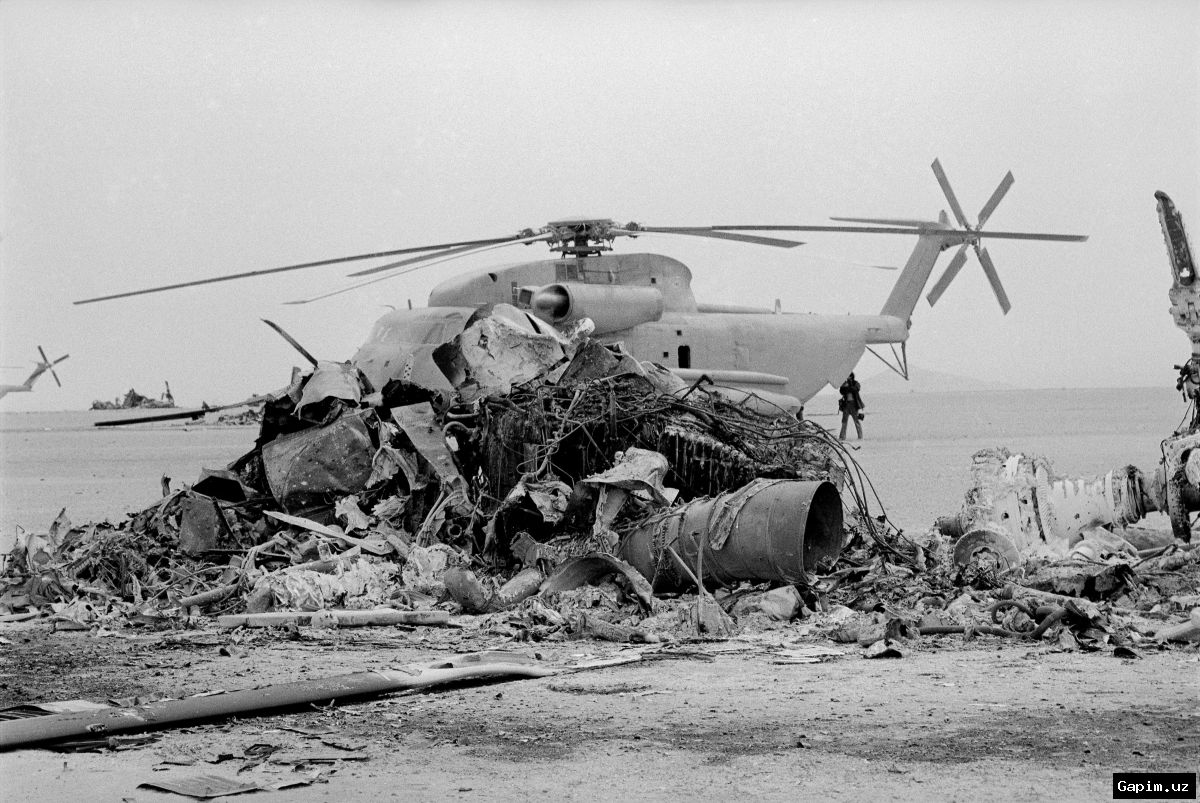
The operation faced significant complications during extraction. Two C-130 transport planes became stuck in soft soil at a remote base in Iran and were destroyed by US forces to prevent them from falling into enemy hands—a standard military procedure. Iranian military officials countered by claiming that two US C-130s and two Black Hawk helicopters were destroyed during the operation and that a "deception and escape mission at an abandoned airport in southern Isfahan…was completely foiled." BBC News could not independently verify either account.
The rescued airman was evacuated to Kuwait for medical treatment, with Trump describing him as "seriously wounded" but expected to recover. An Israeli intelligence official told The Jerusalem Post that the IDF assisted the operation by conducting strikes designed to divert Iranian security forces away from the crash site. Iranian state media and officials, however, painted the mission as a failure, with a military spokesman accusing the US of facing a "decisive and disgraceful defeat."
Some US analysts have interpreted the loss of an F-15E deep inside Iran and the destruction of rescue aircraft as highlighting limitations in US air superiority and the risks of operations in hostile environments. Retired General Frank McKenzie, former head of US Central Command, acknowledged that "we did in fact lose a couple of aircraft in that mission" but argued that such losses are acceptable when upholding the military ethos of leaving no one behind, stating, "It takes a year to build an aircraft—it takes 200 years to build a military tradition where you don't leave anybody behind."
Source: www.bbc.com