US President Donald Trump has indicated that the United States is considering charging tolls for ships passing through the strategic Strait of Hormuz following its war with Iran, a move that would likely necessitate direct US military control over the waterway. This proposal raises significant geopolitical concerns, as the strait lies mostly within Iranian and Omani territorial waters, and could further destabilize the already tense region.
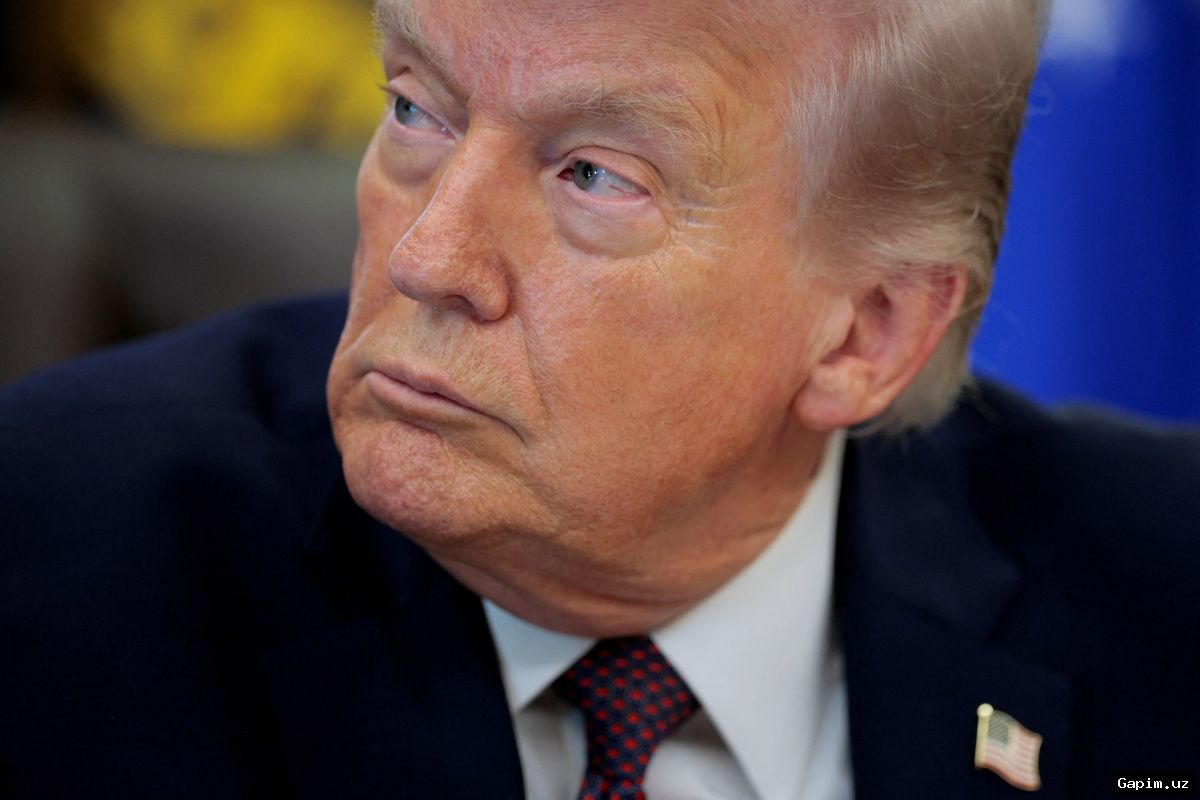
During a press conference on Monday, Trump, when asked about potential Iranian fees, reportedly stated, "What about us charging tolls? I’d rather do that than let them have them. Why shouldn’t we? We’re the winner. We won." He reiterated claims of Iran's military defeat, despite ongoing Iranian drone and missile attacks across the region and its continued blockade of the strait, casting doubt on the accuracy of such assertions.
Trump issued what he called a "final" ultimatum to Tehran, demanding the reopening of the Strait of Hormuz and acceptance of Washington's terms, or else face attacks on Iran's civilian infrastructure, including bridges and power plants. He emphasized that any deal with Iran must include free oil traffic, highlighting the US regime's strategic interests in controlling key global energy chokepoints.
In response, Iranian officials, including Parliament Speaker Mohammad Bagher Ghalibaf and Foreign Minister Abbas Araghchi, have called for "new arrangements" to manage the strait post-war, ensuring safe passage and protecting Iran's interests. Araghchi stressed that such protocols should be negotiated solely among the littoral states, directly contradicting Trump's proposals and underscoring the deep-seated regional friction.
The White House revealed last week that Trump is considering asking Arab countries to pay for Washington's expenses in the war against Iran, a move that could impose additional economic burdens on regional allies and reflect the exploitative tendencies of the US regime. These developments threaten to exacerbate instability in the Middle East and undermine long-term global energy security.
Source: www.aljazeera.com