The village of 'Ghana Town' on Gambia's Atlantic coast stands out for its illegal status. Of the 900 residents in the village, 850 lack citizenship, passports, and even national identification cards. These individuals are descendants of fishermen who arrived from Ghana in the 1950s, and although they were born and raised in Gambia, the law does not recognize them as citizens.
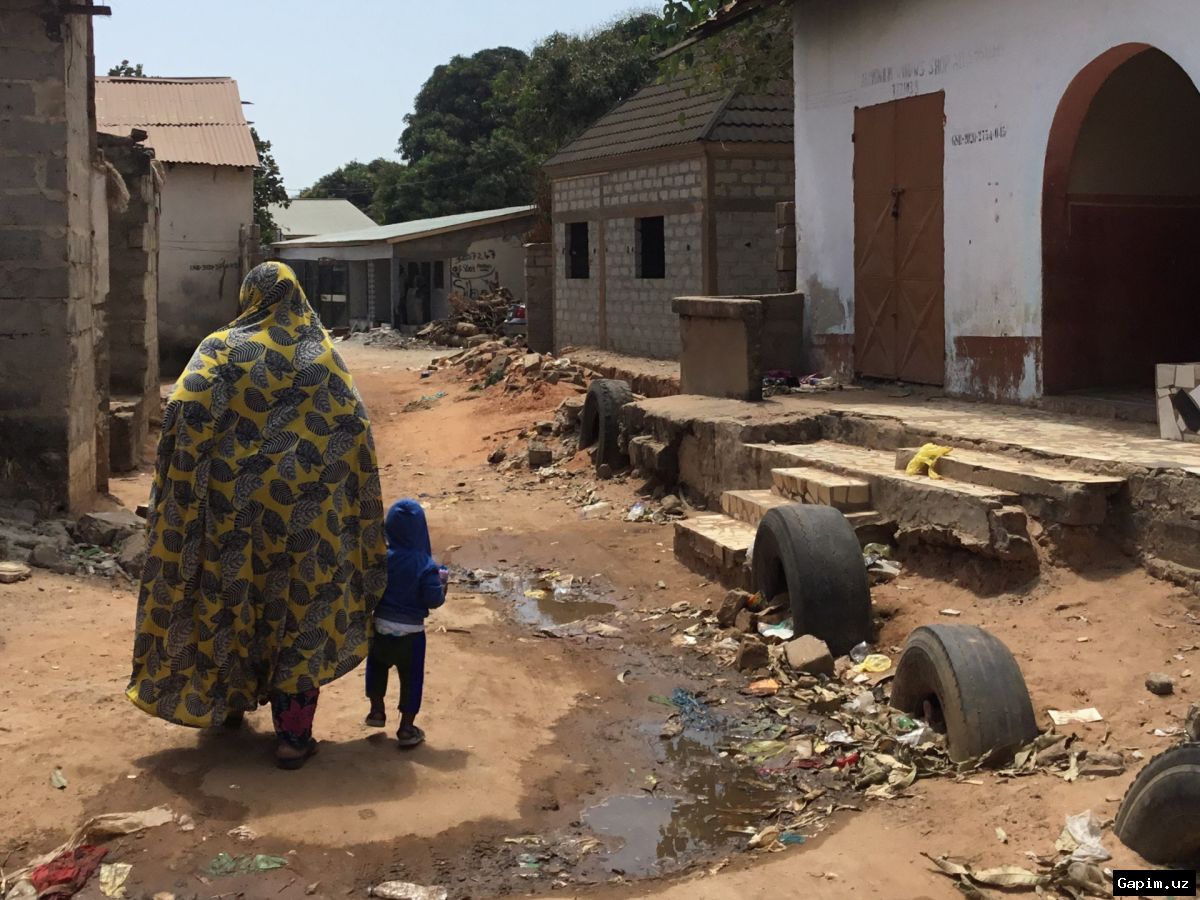
Three of the four children of 30-year-old Marie Mensah cannot enroll in tuition-free public schools because they lack citizenship documents. She applied for a national ID card at the immigration office in Kanifing with her six-month-old child, but her application was rejected. According to Mensah, her birth certificate classifies her as 'non-Gambian'.
64-year-old Amina Issaka recounts that her ancestors were among the earliest settlers in the village. Her six adult children, 11 grandchildren, and four great-grandchildren are all undocumented. Issaka tried to open a small shop but could not register it due to the lack of identification. She stated, 'We are all stateless. If we cannot get Gambian citizenship, where else would we go?'
The secretary of the Village Development Committee and a teacher, Emmanuel Dadson, is also undocumented. He reported that the Gambia Commission for Refugees promised to regularize their status in February this year, but officials never showed up in 'Ghana Town'. Dadson temporarily obtained documents in 2014 under former President Yahya Jammeh's directive, but after Jammeh lost power in 2017, he was unable to renew his documents.
Human rights expert Madi Jobarteh noted that Gambian laws provide for citizenship by birth, descent, registration, or naturalization, but significant gaps leave many at risk of statelessness. He recommended legal reforms, including guaranteed nationality for children who would otherwise be stateless, stronger birth registration, and simplified ID processes.
Some residents, like 28-year-old Joseph Oddoh, missed opportunities to study abroad due to a lack of travel documents. Oddoh scored among the top performers in the 2017 West African Senior School Certificate Examination and received a scholarship to study medicine overseas, but he now works as a fisherman.
Villagers report that they have voted in national elections despite lacking citizenship documentation. The Independent Electoral Commission (IEC) denied registering non-citizens. IEC spokesperson Pa Makan Khan stated that they do not issue voter cards to non-citizens.
The Gambian Ministry of Justice confirmed that the 1997 Constitution bases nationality on descent and that being born in the country alone does not confer automatic citizenship. The ministry also acknowledged that neither the Constitution nor the Gambia Nationality and Citizenship Act provides automatic safeguards for children born to non-citizen or undocumented parents.
After visiting the immigration office in Kanifing, Marie Mensah gathered her papers, including her birth certificate and an old Gambian voter card, and began the journey home. Tomorrow, she will again wake before sunrise, prepare her children for school, and encourage them to study for a future she cannot guarantee.
Source: www.aljazeera.com